
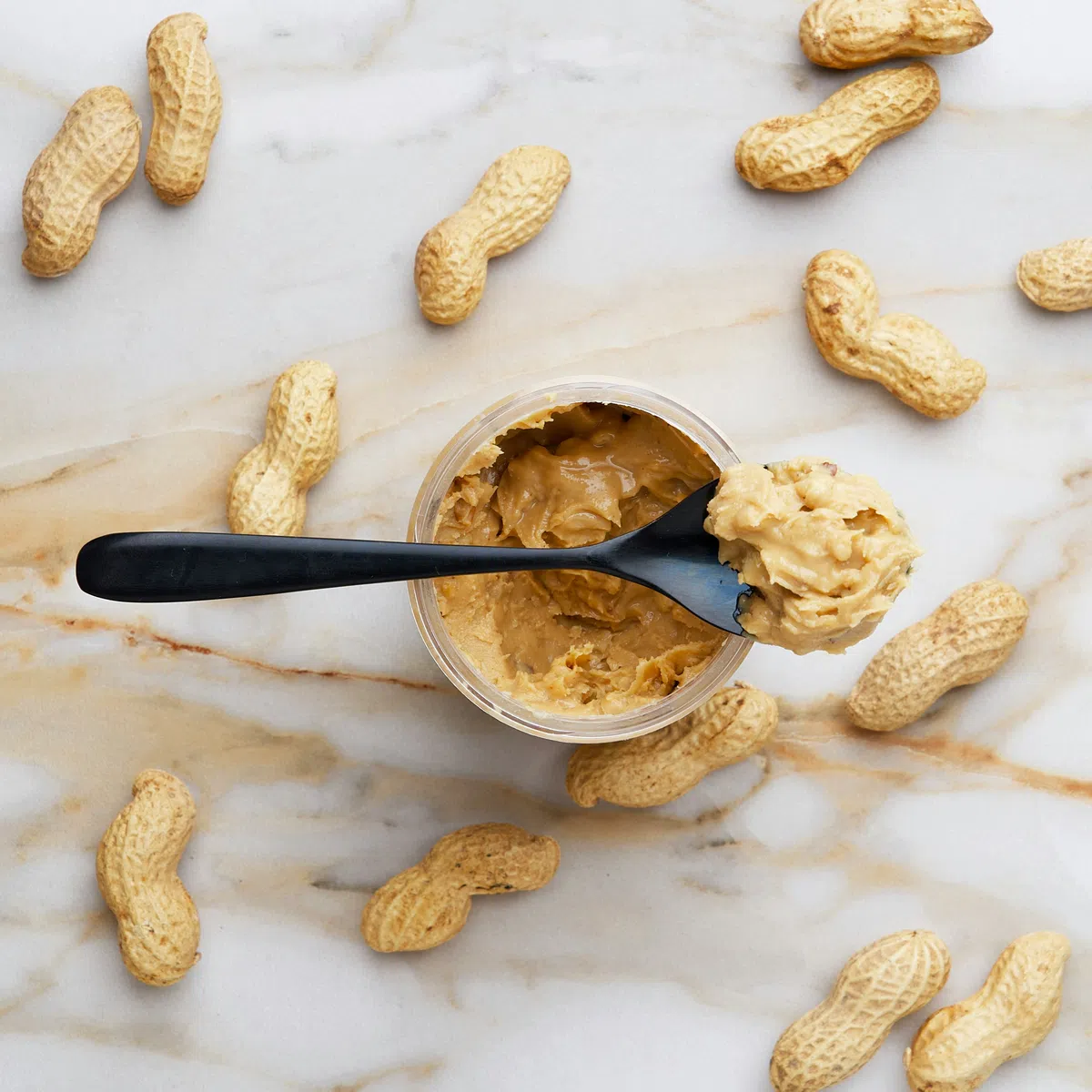
Maintaining muscle mass is one of the most critical challenges of aging, as the body naturally begins to lose lean tissue over time. For many, the solution isn’t found in complex supplements, but in simple, calorie-dense additions to a daily diet. Incorporating nutrient-rich foods, such as peanut butter, can be a practical strategy to help maintain muscle mass as you age.
As a physician and health editor, I have seen how often the intersection of nutrition and physical activity is overlooked in geriatric care. The decline of muscle mass, often accelerating as we grow older, can impact everything from mobility to metabolic health. While a single food is not a cure-all, focusing on high-protein and high-energy options is essential for preventing muscle wasting.
The strategy of using calorie-dense spreads like peanut butter aligns with clinical recommendations for patients who may struggle to eat large volumes of food but require significant energy to prevent weight loss and muscle loss. By increasing the nutrient density of standard meals, individuals can more easily meet their daily protein and caloric requirements.
The Science of Muscle Loss and Nutrition
Muscle mass naturally declines with age. In some cases, the amount of muscle mass in the body can decrease by approximately one to two percent per year according to data from Cardiologie Centra Nederland. This process, if left unchecked, can lead to frailty and a reduced quality of life.

To combat this, the body requires a consistent supply of calories and proteins. Protein provides the essential building blocks—amino acids—necessary for the repair and maintenance of muscle tissue. When caloric intake is insufficient, the body may begin to break down its own muscle tissue to meet energy needs, further accelerating the loss of strength.
For those recovering from illness or dealing with age-related appetite loss, the focus shifts to “energy-dense” nutrition. This means choosing foods that provide a high amount of calories and protein in a small volume. Peanut butter is a prime example, offering a concentrated source of both healthy fats and plant-based protein.
Practical Strategies for Increasing Protein Intake
Integrating high-protein options into a daily routine does not require a complete dietary overhaul. Small, frequent adjustments can lead to significant cumulative benefits. Clinical guidelines for patients in recovery suggest eating regularly—ideally six times a day—to ensure a steady stream of nutrients as outlined by MUMC.
One of the most effective ways to increase caloric intake is to “enrich” standard meals. Instead of plain bread, using a generous amount of peanut butter, cheese, or double slices of meat can significantly boost the protein content of a meal. A boiled egg is another recommended addition to provide extra protein throughout the day.
Beyond spreads, focusing on the following protein-rich choices can support muscle maintenance:
- Main Courses: Always prioritize the protein component of a meal, such as meat, chicken, fish, or vegetarian substitutes, as these contain the highest concentration of proteins.
- Dairy Products: Incorporating milk, yogurt, vla, or cheese as snacks or desserts provides essential calcium and proteins.
- Beverages: Choosing milk-based drinks, such as chocolate milk or coffee and tea with plenty of milk, adds calories and nutrients without requiring additional chewing.
- Nutrient-Dense Snacks: Unsalted nuts and protein-enriched soups are excellent options during mid-day breaks.
Optimizing Nutrient Absorption
Timing and sequencing of food also play a role in how well the body absorbs nutrients. It’s often recommended to eat fruits or raw vegetables after the main course and dairy products. This ensures that the most calorie- and protein-dense foods are consumed first, preventing the feeling of fullness from low-calorie fiber before the essential proteins are ingested.
The Synergy of Nutrition and Movement
While nutrition provides the raw materials for muscle maintenance, physical activity is the catalyst that tells the body to use those materials. Nutrition alone cannot fully prevent muscle loss; it must be paired with movement.
Movement during recovery or aging helps the body retain more muscle mass and facilitates a faster overall recovery. Whether it is structured strength training or simple daily mobility, the combination of high-protein intake (such as peanut butter and dairy) and consistent activity is the most effective defense against age-related muscle decline.
Key Takeaways for Maintaining Muscle Mass
- Prioritize Protein: Focus on meat, fish, eggs, and legumes during main meals.
- Increase Density: Use peanut butter or cheese to add calories to bread and snacks.
- Eat Frequently: Aim for smaller, nutrient-dense meals six times a day.
- Stay Active: Combine a high-protein diet with regular movement to preserve muscle tissue.
- Smart Sequencing: Consume protein and energy-dense foods before eating fruit or raw vegetables.
For those looking to implement these changes, the next step is to review daily dietary habits and identify where calorie-dense additions—like a daily serving of peanut butter—can be naturally integrated. For personalized dietary plans, especially for those with underlying health conditions, consulting a registered dietitian or healthcare provider is recommended.
We encourage you to share your experiences with maintaining health and mobility in the comments below or share this guide with a loved one.