
Navigating Europe’s New Border System: What Travelers Need to Know About EES and ETIAS
Europe is implementing significant changes to its border control procedures, designed to enhance security and manage migration.These changes, centered around the Entry/Exit System (EES) and the upcoming European Travel Information and Authorisation System (ETIAS), will impact anyone traveling to the EU and Schengen Area. This guide provides a comprehensive overview, addressing concerns and outlining what you need to know for a smooth journey.
What is the Entry/Exit System (EES)?
Launching in phases, starting October 12th, the EES is an automated system that registers the entry and exit of travelers from non-EU countries. It aims to modernize border management and improve internal security. Currently, Cyprus and ireland are exempt from the EES.Iceland, Liechtenstein, Norway, and Switzerland – as members of the European Economic Area – will also implement the system.
How Will EES Affect Your Travel?
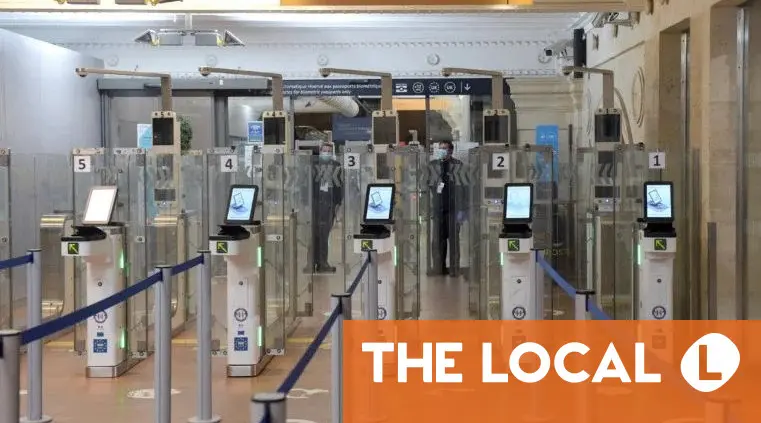
When you arrive at a border crossing, you’ll be required to:
* Provide your passport number.
* Submit fingerprints.
* Have your photo taken.
These biometric data points will be stored securely for three years, streamlining future travel within the Schengen Area. However, initial implementation is causing concern among transport providers and passengers, fearing potential for longer queues, notably at airports and train stations.
Phased Rollout: What to Expect
To minimize disruption, the EES is being rolled out in stages:
* Phase 1 (October 12th): Initial checks begin, wiht France and Germany initially conducting a limited number of checks to avoid congestion. Some smaller member states will fully implement the system promptly.
* Full Implementation (by mid-April): All member states will be required to use automated checks for all passengers.
Impact on British Travelers
Post-Brexit, British nationals are now subject to these new checks. UK authorities anticipate “a few extra minutes” added to your entry process into the Schengen Area. Preparations are underway at key transport hubs:
* St Pancras International (London): Terminals are installed for pre-border checks.
* Port of Dover: Similar infrastructure is in place to facilitate efficient processing.
* Channel Tunnel: getlink and Eurostar are confident in a smooth transition.
France Faces a ’Major Challenge’
As one of the world’s most popular tourist destinations, France acknowledges the EES presents a “major challenge.” Despite expectations of a “normal situation” on October 12th, authorities are preparing for increased scrutiny and potential delays.
What About the Future? introducing ETIAS
The EES is just the first step. The European Travel Information and Authorisation System (ETIAS) is slated to follow. Think of it as Europe’s version of the U.S. ESTA or the UK’s equivalent.
Here’s what you need to know about ETIAS:
* Who needs it? Citizens of countries currently enjoying visa-free travel to the EU.
* What does it involve? Completing an online request form and paying a (currently undetermined) fee.
* When will it launch? Currently scheduled for mid-2025.
Can You Opt Out of Biometric Data Collection?
Generally, no. Providing fingerprints and a photograph is a requirement of the EES. Limited exemptions may apply in specific circumstances, such as medical inability, but these are rare. For detailed information, refer to the official resources linked below.
Resources for Further information:
* What will new EES border checks mean for non-EU residents in Europe?: https://www.thelocal.com/20240427/reader-question-what-will-ees-mean-for-foreigners-living-in-europe
* what EES changes for second-home owners in France: [https://wwwthelocalfr/20[https://wwwthelocalfr/20[https://wwwthelocalfr/20[https://wwwthelocalfr/20


