
Egypt Revamps State Data Service Board: A Deep Dive into the New Leadership
egypt has recently announced a notable restructuring of the state Information Service (SIS) board of directors, signaling a strategic move to bolster the nation’s media and information landscape. This isn’t just a personnel change; it’s a recalibration of expertise designed to navigate an increasingly complex global information environment. Currently chaired by Diaa rashwan, the SIS plays a crucial role in shaping and disseminating Egypt’s narrative both domestically and internationally.
This article provides a complete overview of the new board members,their backgrounds,and what this shift means for you – whether you’re a media professional,political analyst,or simply someone interested in Egyptian affairs. We’ll go beyond the headlines to explore the implications of these appointments.
Who’s on the New SIS Board?
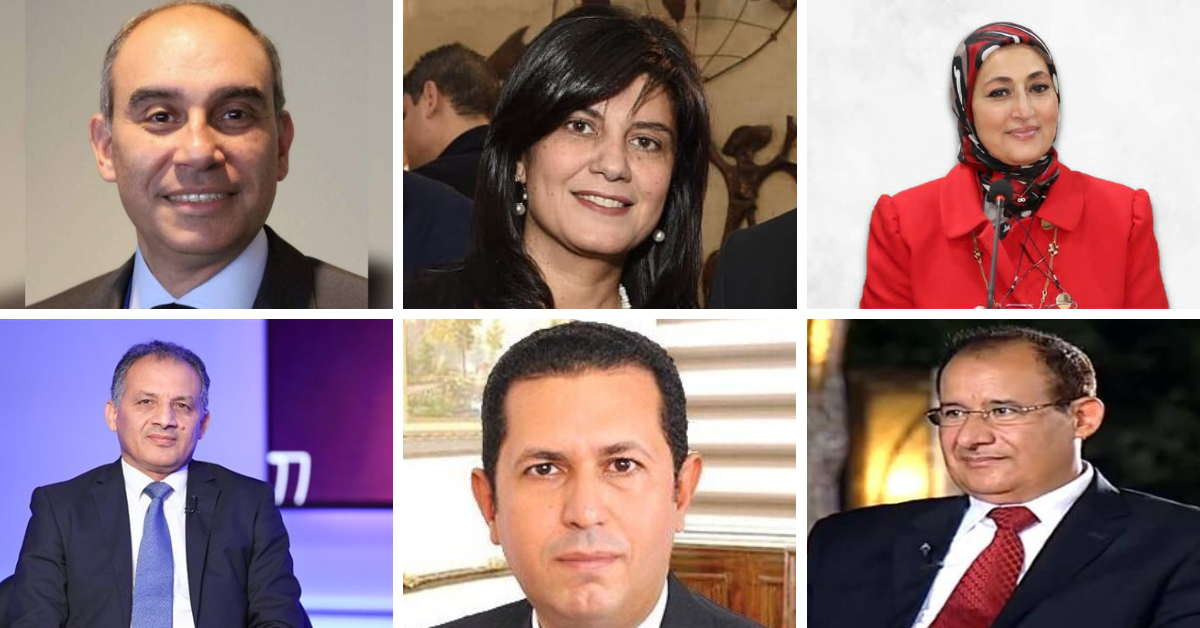
The newly constituted board brings together a diverse range of experience from diplomacy, academia, and leading state-run media outlets. Here’s a closer look at each member:
* Alaa Youssef – Vice chairperson: Ambassador Youssef brings over three decades of diplomatic experience to the role. previously Egypt’s ambassador to France and a presidential spokesperson,he’s adept at navigating international relations and crafting effective communication strategies. His appointment suggests a focus on strengthening Egypt’s international image.
* Nevine Kamel – Editor-in-Chief, Al-Ahram Hebdo: Kamel’s leadership of the French-language Al-Ahram Hebdo is groundbreaking – she is the first woman to hold this position. This appointment highlights a commitment to diversity and expanding Egypt’s reach within Francophone media networks. Her experience will be invaluable in tailoring messaging to a key international audience.
* Soraya El Badawy – Dean,Faculty of Mass Communication,Cairo University: Professor El Badawy’s three decades of academic and research experience in mass communication provide a strong theoretical foundation for the SIS. You can expect a greater emphasis on evidence-based strategies and a deeper understanding of media dynamics under her guidance.
* Mohamed Fayez Farahat – Chairperson, Al-Ahram Foundation: Farahat’s extensive background at the Al-Ahram Foundation, coupled with his former role as director of the Al-Ahram Center for Political and Strategic Studies, positions him as a key strategist.He’s a recognized expert in international and Asian political relations,offering crucial insights into regional dynamics.
* Mohamed Fahmy – Editor-in-Chief, The Egyptian Gazette & The Egyptian Mail: Fahmy’s decades of experience leading English-language publications ensures a strong voice for Egypt in the Anglophone world. His role will be vital in shaping international perceptions and countering misinformation.
* Abdel Moaty Abu Zeid – Advisor to the SIS Chairperson for Foreign Media: abu Zeid’s long-standing career within the SIS, specifically focusing on foreign media, makes him an invaluable asset.He understands the intricacies of international media landscapes and will be instrumental in coordinating the SIS’s outreach efforts.
Why Does This Restructuring Matter?
These appointments aren’t happening in a vacuum. Several factors contribute to the significance of this board overhaul:
* Evolving Information Warfare: The global landscape is increasingly characterized by information warfare and the spread of disinformation. A strong, strategically lead SIS is essential for protecting Egypt’s interests and countering negative narratives.
* Strengthening International Relations: With experienced diplomats like Ambassador Youssef at the helm, the SIS is poised to play a more active role in shaping international perceptions of Egypt.
* Leveraging Academic expertise: The inclusion of Professor El Badawy brings a crucial academic viewpoint, ensuring that the SIS’s strategies are grounded in research and best practices.
* Modernizing Media Strategy: The diverse backgrounds of the board members suggest a commitment to modernizing Egypt’s media strategy and adapting to the evolving digital landscape.
What to Expect Moving Forward
You can anticipate several key shifts in the SIS’s approach:
* Proactive Communication: A more proactive and strategic approach to communication, both domestically and internationally.
* Enhanced Media Monitoring: Increased monitoring of international media to identify and address misinformation.
* Data-Driven Strategies: A greater emphasis on data analysis and research to inform communication strategies.
* Stronger International Partnerships: Efforts to build stronger relationships with international media outlets and organizations.


