Egypt’s Healthcare Transformation: A Regional Model for Health Security
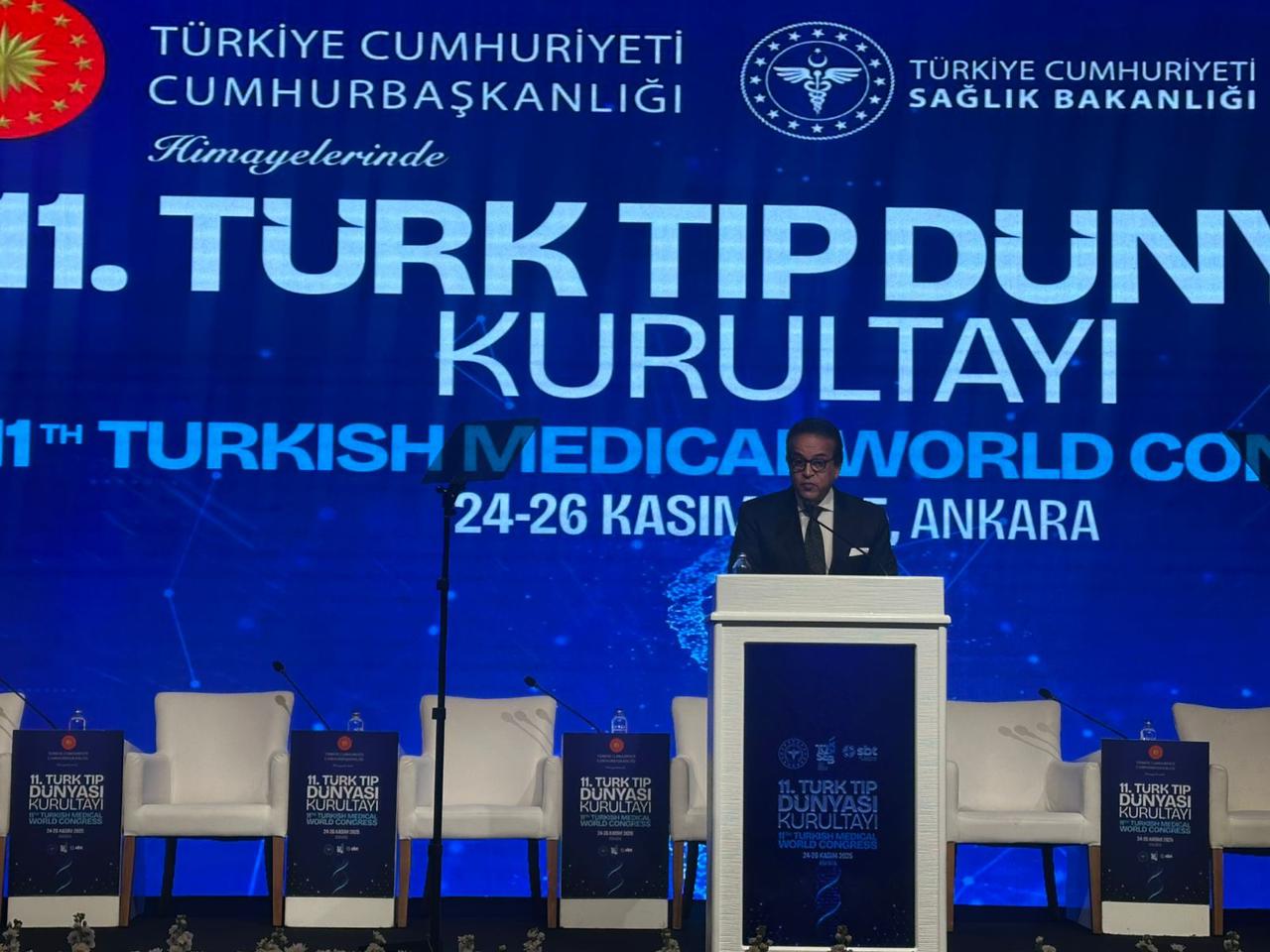
egypt is undergoing a remarkable healthcare transformation, evolving from a nation heavily reliant on imported pharmaceuticals to a regional leader in pharmaceutical manufacturing and public health innovation. This shift, highlighted by Minister of Health Khaled Abdel Ghaffar at the 11th World Medical Congress in Ankara, signals a new era of healthcare independence and a commitment to sustainable regional health security. the focus is no longer simply on treating illness, but on proactive prevention, robust local production, and worldwide access to quality care. This article delves into the specifics of Egypt’s advancements, its strategic partnership with Türkiye, and the aspiring plans shaping the future of healthcare in the nation.
Egypt’s Public Health triumphs: A Global Benchmark
Egypt’s recent successes in public health are nothing short of remarkable. The nation has achieved the complete elimination of Hepatitis C, a feat recognized globally by the World Health organization (WHO) with a gold certification – a first for any country. This accomplishment stemmed from a nationwide screening program reaching over 63 million citizens,dramatically reducing prevalence from over 14% to a mere 0.38%. This success isn’t isolated; egypt is also making significant strides in controlling Hepatitis B, is on track to eliminate trachoma by 2025, and has officially been declared malaria-free after a century-long battle.
These victories are underpinned by complex electronic surveillance systems, allowing for rapid detection and response to public health threats. According to a recent report by the Egyptian Ministry of Health (November 2025), these systems have improved disease reporting accuracy by 45% in the last two years. This data-driven approach is crucial for maintaining these gains and addressing emerging health challenges.
Building a Self-Sufficient Pharmaceutical Industry
A cornerstone of egypt’s healthcare strategy is the growth of a robust and self-sufficient pharmaceutical industry. The era of complete dependence on imported medicines is demonstrably “over,” as Minister Abdel Ghaffar stated. Currently,Egypt boasts 179 pharmaceutical factories,capable of supplying over 90% of the country’s drug needs. This represents a significant increase in local production capacity over the past decade. This shift not only enhances national health security but also stimulates economic growth and creates employment opportunities.
Furthermore, Egypt is investing heavily in vaccine production. Facilities like VACSERA and the Egyptian Drug City (“Gypto Pharma”) are rapidly becoming regional hubs, currently producing 2-3 million vaccine doses annually with a storage capacity of 60 million doses. ambitious expansion plans aim to increase vaccine production capacity to a staggering 700 million doses by 2027, positioning Egypt as a key vaccine supplier for Africa and the Middle East. This expansion is fueled by strategic investments in biotechnology and research & development. The government is actively encouraging private sector participation through incentives and streamlined regulatory processes.
The Egypt-Türkiye Partnership: A Synergistic Alliance
Recognizing the mutual benefits of collaboration,Egypt is actively seeking a “deep partnership” with Türkiye in the fields of pharmaceutical manufacturing,biotechnology,and scientific research.The historic and strategic ties between the two nations provide a solid foundation for this cooperation. Minister Abdel Ghaffar emphasized Egypt’s willingness to support joint projects through the “golden license” mechanism – a streamlined approval process for strategic investments – and other remarkable investment facilitations.
This partnership isn’t merely about economic gains; it’s about building a regional model for health security and sustainable development. By combining Egypt’s manufacturing capacity with Türkiye’s expertise in research and development,the two countries can create a powerful synergy that benefits the entire region. This collaboration aligns with the broader trend of South-South cooperation in healthcare, as highlighted in a recent WHO report on regional health initiatives.