
Egypt Takes global Lead in Drug & Vaccine Safety with WHO’s ‘Smart Pharmacovigilance’ Initiative
Are you concerned about the safety of the medications and vaccines you or your family receive? Ensuring robust systems for monitoring and responding to adverse drug and vaccine reactions is paramount to public health. Egypt is now stepping into a leading role on the world stage,collaborating with the World Health Association (WHO) to revolutionize how drug and vaccine safety is monitored and improved globally.This article delves into egypt’s pivotal involvement in the WHO’s ‘Smart Pharmacovigilance’ strategy, outlining the nation’s commitment, recent developments, and what this means for healthcare both locally and internationally.
Egypt at the Forefront of Global Pharmacovigilance
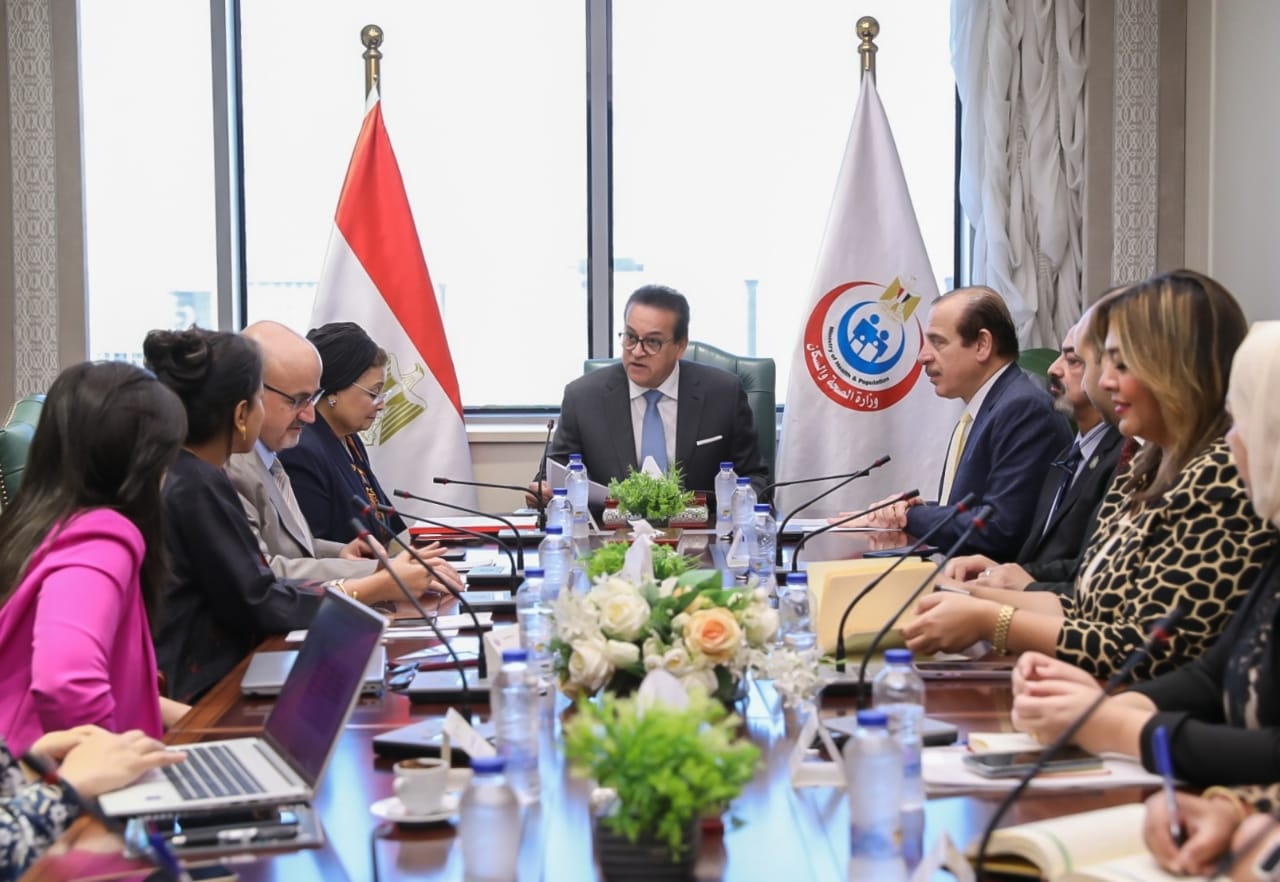
On October 25th, 2025, Egypt’s Minister of Health and Population, Khaled Abdel Ghaffar, convened with WHO representatives to solidify plans for strengthening the nation’s pharmacovigilance systems.This meeting signifies a major step forward in enhancing the safety profile of medicines and vaccines available to the Egyptian population and beyond. The discussions centered around leveraging international expertise and implementing the WHO’s newly launched Global Smart Pharmacovigilance (Smart PV) Strategy, unveiled in october 2024 at the International Conference of Drug Regulatory Authorities in India.
What is ‘Smart Pharmacovigilance’ and Why Does it Matter?
Conventional pharmacovigilance - the science and activities relating to the detection, assessment, understanding and prevention of adverse effects or any other drug-related problem – is evolving. ‘Smart Pharmacovigilance’ represents a paradigm shift, moving towards a more proactive, risk-based approach. It emphasizes:
* Data Integration: Combining data from multiple sources (spontaneous reports, electronic health records, clinical trials, social media) for a more extensive safety profile.
* Risk-Based Approach: Prioritizing monitoring and intervention based on the potential severity and frequency of adverse events.
* Strengthened partnerships: Fostering collaboration between regulatory authorities, healthcare professionals, and patients.
* Digitalization & AI: Utilizing artificial intelligence (AI) and machine learning to analyze vast datasets and identify safety signals more efficiently.
According to a recent report by the IQVIA Institute for Human Data Science (October 2024),the adoption of AI in pharmacovigilance is projected to grow at a compound annual growth rate of 18.5% between 2024 and 2030, driven by the need for faster and more accurate safety monitoring. https://www.iqvia.com/
Egypt to Host Key WHO Pharmacovigilance Group Meeting
Demonstrating its commitment, Egypt has been officially invited to host the regional meeting and workshops of the WHO Pharmacovigilance Group (PVG) on October 28th-29th in Cairo.This event will bring together representatives from Egypt’s Drug Authority and pharmacovigilance and immunization programs from across WHO member states.
The culmination of these discussions will be a draft resolution on Smart Pharmacovigilance, slated for presentation to the World health Assembly (WHA) in 2026. Significantly, the WHO has requested Egypt to lead the presentation of this resolution – a testament to the organization’s confidence in egypt’s leadership in this critical area. Assistant Minister for Public Health Initiatives, Mohamed Hassani, will spearhead the planning of final recommendations, with a specific focus on the safety of vulnerable populations, including women of reproductive age and children.
Current Status of Pharmacovigilance in Egypt: A Growing Network
Egypt is already making important strides in strengthening its national pharmacovigilance infrastructure. Currently, 405 hospitals nationwide have active accounts on the international VigiFlow platform - the WHO’s global database for reporting adverse drug and vaccine reactions. These accounts are managed by 516 trained coordinators, ensuring a robust system for data collection and analysis.
What to Expect from the Upcoming Workshops
The WHO workshops in Cairo will focus on several key areas:
* Harmonizing Terminology: establishing a common language for pharmacovigilance reporting across member states.
* Performance Indicators: Developing standardized metrics to assess the effectiveness of pharmacovigilance systems.
* Vulnerable Populations: Improving the detection of safety signals specifically related to women and children.
* Risk Management Plans: Sharing best practices for mitigating drug and vaccine-related risks.
* AI & digital Tools: Exploring the potential of AI and digital technologies to enhance monitoring and data analysis.
Shanthi Pal, WHO pharmacovigilance Team Lead, emphasized the importance of these sessions in fostering a collaborative environment for continuous improvement in drug and vaccine safety.
**Practical Steps for Healthcare Professionals &


