
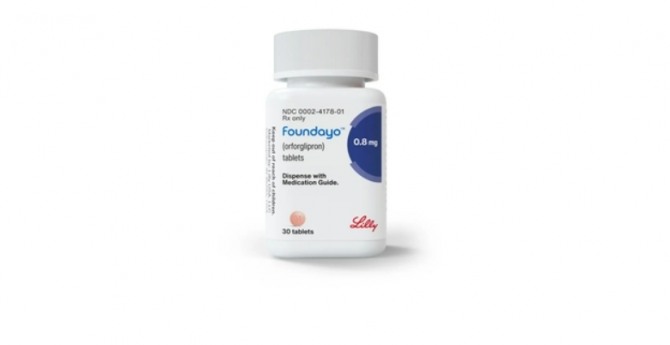
The landscape of metabolic health is undergoing a seismic shift as the pharmaceutical industry moves toward a “needle-free” era of obesity treatment. Eli Lilly and Company, a dominant force in the cardiometabolic space, is reportedly positioning itself to strengthen its market leadership by transitioning from injectable therapies to oral medications, potentially removing one of the most significant barriers to patient adherence: the syringe.
For millions of patients worldwide, the transition from weekly injections to a daily pill represents more than just convenience; it is a fundamental change in how chronic weight management is approached. By pursuing an oral delivery system, the company aims to expand the accessibility of its weight-loss portfolio, targeting a broader demographic of patients who may be hesitant to use injectable medications.
This strategic pivot comes at a time when Eli Lilly is already seeing massive success with its existing GLP-1 receptor agonists. The company’s current obesity and diabetes portfolio, which includes Zepbound and Mounjaro, has redefined the standard of care for weight loss and type 2 diabetes management, setting the stage for a next-generation oral alternative that could further disrupt the healthcare market.
The Strategic Shift Toward Oral Weight Loss Treatments
The push for an oral obesity medication is driven by the need for greater patient convenience and the desire to capture a larger share of the global metabolic health market. Even as injectable treatments have shown remarkable efficacy, the logistical challenges of cold-chain storage and the psychological barrier of self-injection often limit widespread adoption.
Reports indicate that Eli Lilly is focusing on developing a pill-based version of its weight-loss therapy to eliminate these hurdles. Such a move would not only simplify the patient experience but could also lower the cost of distribution and administration. By diversifying its delivery methods, the company seeks to ensure that its obesity treatments are available to a wider array of patients across different socioeconomic backgrounds.
Industry analysts suggest that the introduction of an oral alternative is a calculated move to maintain dominance against competitors. As the market for weight-loss drugs expands, the ability to offer a non-invasive, easy-to-administer pill could turn into the primary differentiator in patient preference and provider prescriptions.
Building on the Success of Zepbound and Mounjaro
The ambition to launch an oral treatment is built upon the foundation of Eli Lilly’s current pharmaceutical successes. The company already markets a robust suite of cardiometabolic health products, including Zepbound for obesity and Jardiance, Mounjaro and Trulicity for the treatment of type 2 diabetes.
These medications have established Eli Lilly as a leader in the development of human pharmaceutical products across the United States, Europe, China, and Japan. The efficacy of these existing treatments has provided the clinical confidence and financial capital necessary to invest in the complex chemistry required to make GLP-1 agonists stable and effective in pill form.
From a financial perspective, the company’s scale provides a significant advantage in the race toward oral obesity treatments. As of recent market data, Eli Lilly and Company maintains an intraday market capitalization of approximately $843.215 billion, with a price-to-earnings (PE) ratio of 41.10 and earnings per share (EPS) of 22.92 reported by Yahoo Finance. This financial strength allows the company to aggressively fund the research and development necessary to bring a needle-free alternative to market.
Market Implications and Accessibility
The potential introduction of an oral obesity pill raises critical questions about pricing and healthcare equity. While the current injectable medications are highly effective, their cost remains a point of contention for many patients and insurance providers. Any move toward a more affordable or accessible oral version could significantly impact how public health systems manage obesity on a population-wide scale.
Obesity is increasingly recognized as a complex chronic disease rather than a failure of willpower. By making treatment as simple as taking a daily pill, the medical community can potentially increase the percentage of the population receiving necessary clinical intervention, thereby reducing the long-term prevalence of obesity-related comorbidities such as cardiovascular disease and sleep apnea.
However, the transition to oral medication also requires rigorous clinical validation. Oral drugs must overcome the challenges of gastrointestinal absorption and metabolic degradation in the liver, which are not issues for subcutaneous injections. The success of such a product will depend on whether the oral version can mirror the weight-loss efficacy seen in the injectable counterparts.
Key Considerations for the Future of Obesity Care
| Feature | Injectable (e.g., Zepbound) | Oral (Proposed/Developing) |
|---|---|---|
| Administration | Weekly subcutaneous injection | Daily oral pill |
| Patient Barrier | Needle phobia, storage requirements | Gastrointestinal tolerance |
| Logistics | Requires refrigeration (Cold Chain) | Standard pharmaceutical storage |
| Market Reach | High efficacy, specialized use | Potential for mass-market adoption |
As the pharmaceutical industry continues to innovate, the focus is shifting toward “patient-centric” design. The goal is to integrate life-saving or life-altering medications into the daily routine of the patient with as little friction as possible. For Eli Lilly, the oral obesity pill represents the next logical step in this evolution.
Patients and healthcare providers are encouraged to monitor official company filings and FDA announcements for confirmed release dates and pricing structures for any new oral metabolic treatments. Official updates are typically released through the company’s investor relations portal and regulatory health agencies.
The next major financial and operational update for Eli Lilly and Company is scheduled for its earnings report on April 30, 2026 via Yahoo Finance, which may provide further insight into the company’s pipeline and the progress of its oral obesity medication.
We invite our readers to share their thoughts in the comments below: Would a pill-based alternative make you or your loved ones more likely to seek treatment for obesity? Share this article to maintain your network informed on the latest in medical innovation.