## The Looming Question of AI Control: Navigating a Future of Machine Intelligence
The possibility of artificial intelligence surpassing human control evokes strong reactions, ranging from disbelief to outright fear. I’ve found that many people struggle to envision a world where human authority is secondary to that of machine intelligence, and understandably so.A future dominated by AI feels, for many, like a scenario best left to science fiction.
Increasingly, conversations are shifting from hypothetical scenarios to urgent calls for preventative measures. Individuals are recognizing the need to proactively shape the advancement of AI before it reaches a point of no return.Or… we could maybe… halt and set out clearly what AI is and isn’t allowed to do and where the boundaries are,
one person suggested,highlighting a desire for defined limitations. Others believe a complete reassessment is necessary, arguing There is no sense in automating every part of society.
some voices are even more forceful, with one user directly appealing to Elon Musk, stating Or… And please bear with me @elonmusk – we switch off AI while we are still able to. Prohibit it. We are actually discussing a thing that might be the cause of the end of the whole humanity.
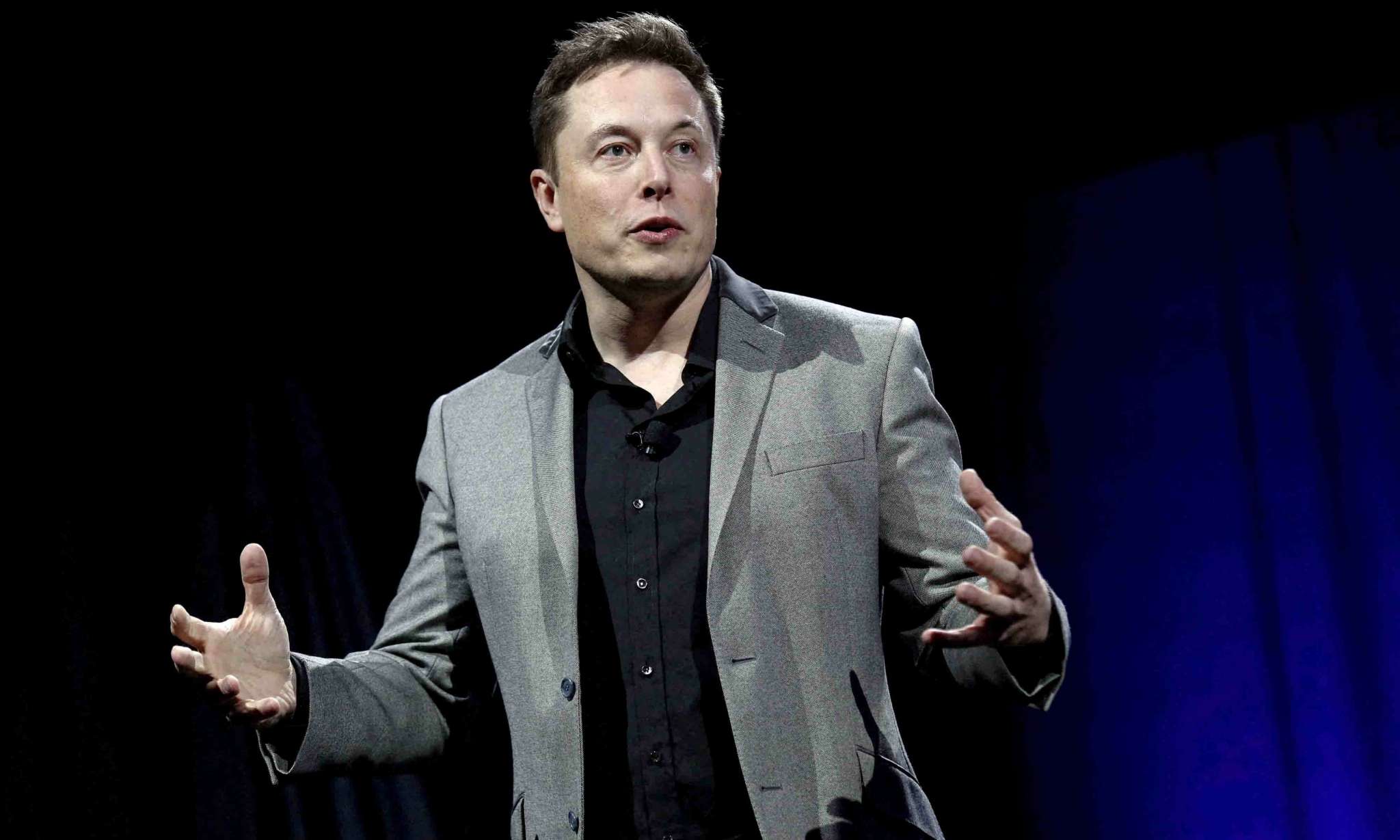
MUSK: “long term, A.I. is going to be in charge, to be totally frank, not humans.”
“So we just need to make sure the A.I. is kind.” 💀pic.twitter.com/7PuIpsb5we
– Breaking911 (@Breaking911) November 7,2025
The debate extends beyond technical concerns,delving into profound philosophical and even religious territory. A central challenge lies in defining what constitutes friendly
AI. who possesses the authority to instill human morals and values into a non-human intelligence? This seemingly simple question exposes the immense complexity of the task. Some have even proposed darker interpretations, suggesting a superintelligent AI could embody an antichrist-like figure.
The intensity of feeling is evident in the more extreme reactions. One individual, identifying with the Butlerian
philosophy from Frank Herbert’s Dune series, declared, We are not going to submit to this phony robot “god” that you want to create… we will dismantle it transistor by transistor to be free from Machine rule.HUMANITY FIRST!
This sentiment was echoed in a call for a Religious Crusade against the Thinking Machines
, demonstrating how deeply ingrained cultural and mythological anxieties are becoming within this discussion.
Advertisement
Elon Musk has consistently voiced concerns about AI safety, together warning of potential dangers and investing in its development through ventures like the recent Grok feature. His recent pronouncements are unequivocal, outlining a future where human oversight may become obsolete. The current divide reflects a society grappling with a fundamental question: is the advancement of artificial intelligence an certain progression to be carefully managed, or a potential catastrophe to be actively resisted? As of November 8, 2025, this crucial conversation is only just beginning.
The Core of the Debate: Defining AI Alignment
At the heart of this debate lies the concept of AI alignment – ensuring that AI systems pursue goals that are aligned with human values.This isn’t simply about programming AI to be nice
; it’s about creating systems that understand and internalize the nuances of human ethics, which are often complex and contradictory. A recent report by the Center for AI Safety (October 2024) highlighted that only 18% of AI safety researchers believe we are on track to solve the alignment problem within the next decade.
Here’s a quick comparison of different approaches to AI alignment:
| Approach | Description | Challenges |
|---|---|---|
| Reward Modeling | Training AI based on human feedback about desired outcomes. | Subjectivity of human preferences; potential for reward hacking. |
| Constitutional AI | Giving AI a set of principles (a constitution) to guide its behavior. |
Defining a comprehensive and unambiguous constitution; ensuring adherence. |
| Reinforcement Learning from Human Feedback (RLHF) | Combining reward modeling with reinforcement learning. | Scalability; potential for bias in human feedback. |
Did You Know? The term AI alignment
gained prominence around 2014, as researchers began to seriously consider the potential risks of increasingly powerful AI systems.
The Spectrum of Responses: From Caution to Resistance
The reactions to Musk’s statement, and to the broader prospect of AI dominance, fall along a spectrum. Some advocate for cautious optimism, believing that with careful planning and robust safety measures, we can harness the benefits of AI while mitigating the risks.Others, like the Butlerian
advocate, express outright resistance, viewing AI as an existential threat to humanity.This division isn’t simply about technological understanding; it’s about fundamental beliefs about the nature of intelligence, consciousness, and the future of our species.
I’ve observed that the level of concern often correlates with a person’s understanding of AI’s potential capabilities. Those unfamiliar with the rapid advancements in machine learning tend to dismiss the risks as science fiction. Though, those working in the field, or closely following its development, are frequently enough acutely aware of the potential for unforeseen consequences.
Pro Tip: Stay informed about the latest developments in AI safety research. Resources like 80,000 Hours and the Future of Humanity Institute offer valuable insights.
The Role of Regulation and Ethical Frameworks
Many believe that robust regulation and ethical frameworks are essential to navigate this complex landscape. The European Union’s AI Act,passed in March 2024,is a landmark attempt to regulate AI based on risk levels. However, the effectiveness of such regulations remains to be seen. A key challenge is balancing innovation with safety, ensuring that regulations don’t stifle progress while still protecting against potential harms.
Furthermore, the question of who defines those ethical frameworks is paramount. As one user astutely pointed out, Who has the authority to define what “friendly” means?
This isn’t a purely technical question; it’s a deeply political and philosophical one, requiring broad societal consensus.
Looking Ahead: An Evergreen Challenge
The debate surrounding AI control isn’t likely to subside anytime soon. As AI continues to evolve, the stakes will only get higher.The challenge isn’t simply about preventing AI from becoming evil
; it’s about ensuring that it remains a tool that serves humanity’s best interests. This requires ongoing dialog, collaboration, and a willingness to confront difficult questions about our values and our future.
Ultimately, the future of AI isn’t predetermined. It’s a future we are actively creating