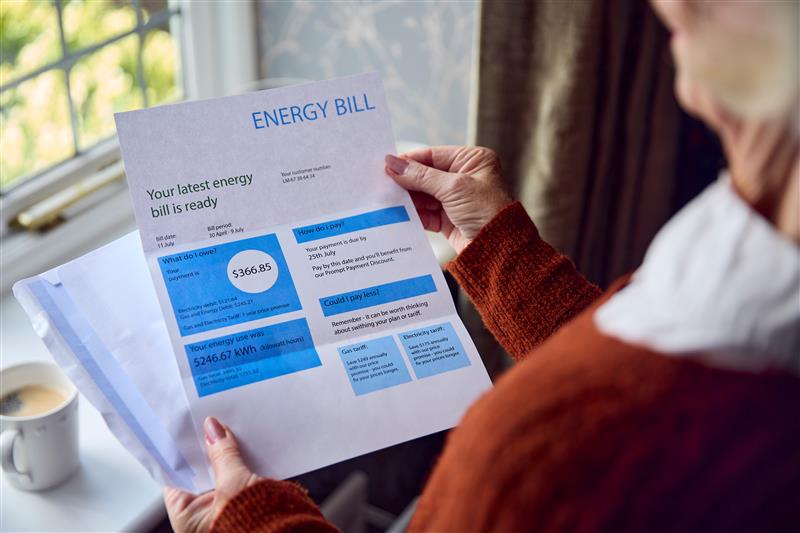
the Hidden Cost of Keeping the Lights On: How Energy Insecurity Impacts Your Mental Health
Are you struggling with anxiety or depression? You might not immediately connect your mental wellbeing to something as essential as having reliable access to energy, but a growing body of research reveals a significant link between energy insecurity and poor mental health. This isn’t just a matter of comfort; it’s a critical social determinant of health that deserves your attention.
What is Energy Insecurity?
Energy insecurity describes a household’s inability to adequately meet their essential energy needs – things like heating, cooling, and electricity. This can manifest in several ways, including:
* Having to choose between paying for energy and other necessities like food or medicine.
* Reducing energy consumption to afford other basic needs,leading to uncomfortable or unsafe living conditions.
* Experiencing worry and stress about affording upcoming energy bills.
Essentially, it’s the constant fear and hardship associated with keeping your home powered and comfortable.
The Strong Connection to Mental Health
Recent studies demonstrate a compelling correlation between energy insecurity and increased rates of anxiety and depression. Individuals facing energy insecurity are more than twice as likely to experience these mental health challenges compared to those who have consistent access to affordable energy.
This isn’t a coincidence. Consider the stressors involved:
* financial Strain: Constantly worrying about bills creates chronic stress.
* Uncomfortable Living conditions: being too cold or too hot impacts sleep and overall wellbeing.
* Social Isolation: Difficulty affording energy can limit social activities and connections.
* Health Concerns: Inadequate heating or cooling can exacerbate existing health problems.
These factors combine to create a perfect storm for mental health struggles.
Understanding the Research
A recent study highlighted these concerning trends,even after accounting for factors like income,education,and social support. Researchers found that the association between energy insecurity and mental health remained strong, suggesting it’s a unique and independent risk factor.
However, it’s important to acknowledge the study’s limitations. The research relied on self-reported data, and the cross-sectional design means it can’t definitively prove that energy insecurity causes mental health problems – only that they are strongly linked. Additionally, the study may not fully represent all populations experiencing energy insecurity due to response rates.
Why This Matters & What’s Being Done
Despite these limitations, the findings are a crucial wake-up call. As energy costs continue to rise, more and more families are finding themselves in precarious situations. This growing energy insecurity isn’t just an economic issue; it’s a public health crisis.
Policymakers are beginning to recognize this,and there’s a growing discussion around strengthening federally funded assistance programs. These programs can provide a vital lifeline for families struggling to afford their energy bills,and ultimately,protect their mental wellbeing.
What Can You Do?
If you’re experiencing energy insecurity, remember you’re not alone. Here are some resources that can help:
* LIHEAP (Low Income Home Energy Assistance Program): Provides financial assistance with home energy costs.
* local Utility Assistance programs: Many utility companies offer payment plans, discounts, or energy efficiency programs.
* 211: A free, confidential service that connects you to local health and human service programs.
* Mental Health Resources: Don’t hesitate to reach out to a mental health professional if you’re struggling with anxiety or depression.
Taking care of your mental health is paramount, and recognizing the impact of something like energy insecurity is a crucial step towards building a healthier, more equitable future for everyone. Don’t hesitate to seek help and advocate for policies that support energy affordability and mental wellbeing.