
Norway’s Railway Contract Under Scrutiny: A Deep Dive into the ESA Inquiry
The future of railway operations on the Sørlandsbanen line in Norway is facing uncertainty as the EFTA Surveillance Authority (ESA) initiates a formal investigation. This stems from the direct award of a contract to Vy, the state-owned railway operator, for the Sørlandsbanen from 2027, bypassing the standard competitive tendering process. This situation raises critical questions about public procurement practices and adherence to the European Economic Area (EEA) agreement. Understanding the nuances of this case is vital for anyone involved in railway infrastructure, government contracts, or international trade regulations.
What Sparked the ESA Investigation?
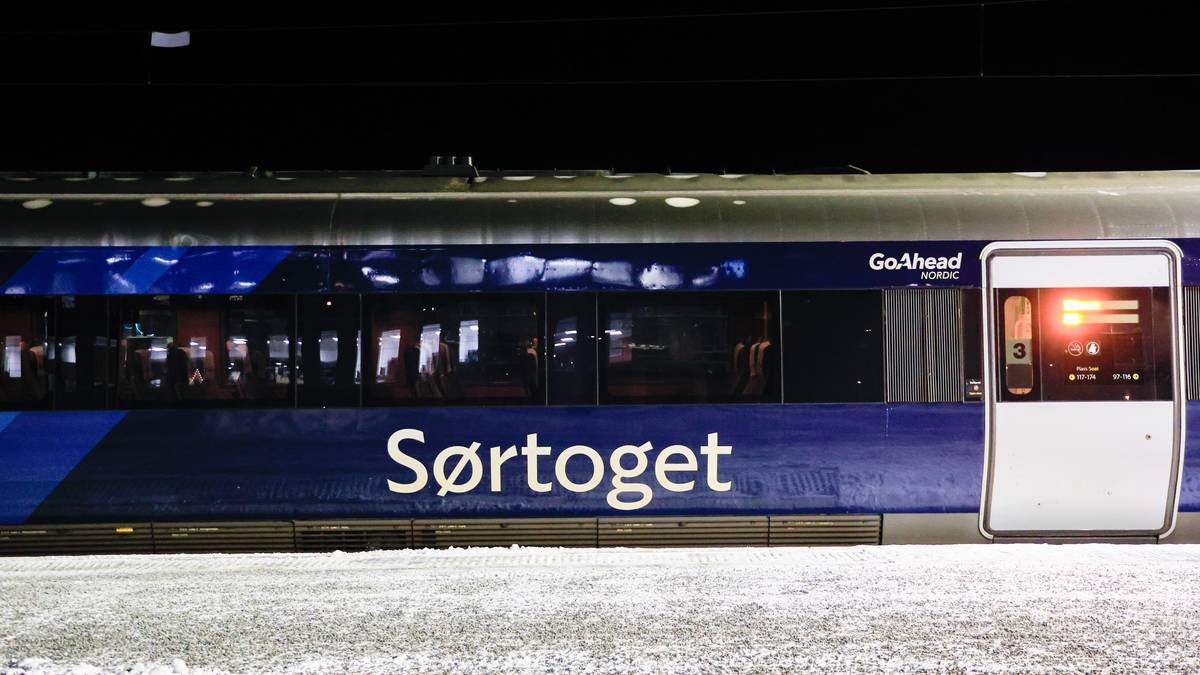
Essentially, ESA believes this direct award violates core principles of the EEA agreement. These principles mandate open and fair competition for public contracts. Exceptions exist, but ESA has determined that the justifications provided by Norway don’t meet the necessary criteria.The current operator, Go-Ahead, secured its contract through a competitive bidding process back in 2018, setting a precedent for openness.
The Core of the Dispute: Competitive Tendering vs. Strategic Restructuring
The Norwegian government defends its decision, arguing a need to restructure all railway packages collectively. They maintain the contract aligns with existing regulations. Though, ESA isn’t convinced. The crux of the matter lies in whether this restructuring justifies circumventing the competitive tendering process.
Here’s a breakdown of the key arguments:
* Norway’s Position: A holistic restructuring of railway packages necessitates a direct award to ensure seamless integration.
* ESA’s Position: The justification for bypassing competition isn’t sufficiently compelling and possibly breaches EEA rules.
* stakeholder Impact: Go-Ahead, the current operator, faces potential loss of the contract, while Vy stands to benefit from continued operation.
Understanding the EEA and Public Procurement Rules
The EEA agreement extends much of the EU’s single market legislation to EFTA countries. This includes stringent rules on public procurement, designed to prevent unfair advantages and promote economic efficiency. These rules are in place to:
* Ensure transparency in the awarding of public contracts.
* Promote competition among qualified bidders.
* Prevent discrimination based on nationality or other factors.
* Guarantee value for money for taxpayers.
Failure to comply can led to formal investigations, financial penalties, and reputational damage.The Norwegian government now has two months to respond to ESA’s concerns.
The Current Railway Landscape in Norway
Currently, Norway’s railway network is divided among three operators:
* SJ: Operates services in the north.
* Vy: Operates services in the west.
* Go-ahead: Operates services in the south (Sørlandsbanen).
This fragmented system is part of the rationale behind the proposed restructuring. The government aims to streamline operations and improve efficiency. However, the method of achieving this goal is now under intense scrutiny.
Potential Outcomes and Implications
The outcome of this investigation could have meaningful ramifications. Here’s a look at possible scenarios:
* Norway Complies: The government could revise the contract or initiate a competitive tendering process, satisfying ESA’s concerns.
* legal Challenge: Norway could challenge ESA’s decision in the EFTA Court.
* Financial Penalties: If found in violation of EEA rules, Norway could





