Promising New Treatment Option for Elderly Patients with Aggressive Lymphoma
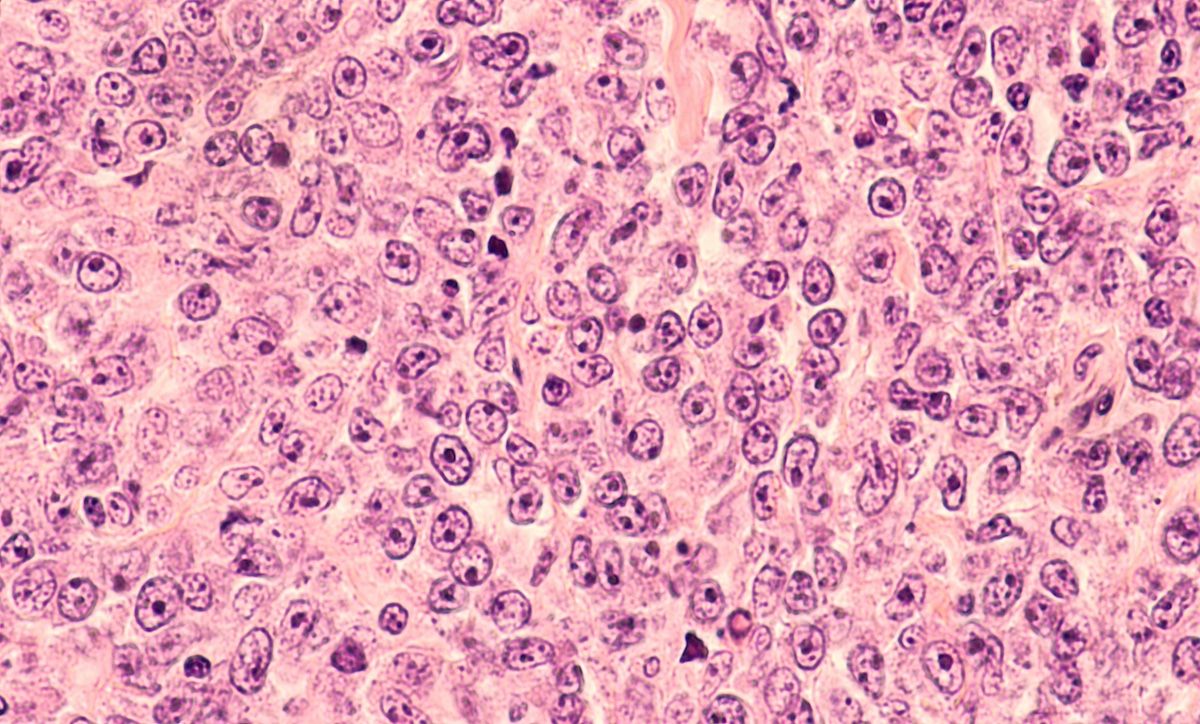
Large B-cell lymphoma (LBCL) can be a particularly challenging cancer, especially for older adults or those with underlying health conditions. Fortunately, a new treatment called epcoritamab is showing notable promise in this patient population. Recent study results demonstrate high response rates and a manageable safety profile, offering renewed hope for those facing this diagnosis.
what is Epcoritamab and How Does it work?
Epcoritamab is a bispecific antibody,meaning it’s engineered to target two different proteins at the same time. Specifically, it connects cancer cells with your own immune cells, prompting your immune system to attack and destroy the lymphoma. This innovative approach offers a possibly powerful way to fight the disease.
Key Findings from a Recent Study
A recent clinical trial focused on elderly patients with newly diagnosed LBCL and coexisting health issues. Here’s a breakdown of the encouraging results:
* High Response Rates: A remarkable number of patients experienced a complete or partial remission with epcoritamab treatment.
* Deep Remissions: Many patients achieved minimal residual disease (MRD) negativity, meaning very few cancer cells remained after treatment. This is a strong indicator of long-term success.
* Fixed Duration: The treatment schedule is fixed, which simplifies the process for both you and your care team.
Managing Side Effects
Like all cancer treatments, epcoritamab can cause side effects. However, the study showed thes were generally manageable and comparable to those seen in previous trials.
Here’s what you should know:
* Common Side Effects: Most patients experienced side effects like cytokine release syndrome (CRS), diarrhea, and fatigue.
* CRS Management: CRS, an immune system response, was mostly mild to moderate and typically resolved quickly, particularly during the first cycle of treatment.
* Neurological Effects: Immune effector cell-associated neurotoxicity syndrome occurred in some patients, but was generally mild and reversible.
* Infections: Infections were observed, but serious infections were less common.
* No Serious Complications: Importantly, there were no cases of febrile neutropenia (a risky drop in white blood cells) or tumor lysis syndrome.
Treatment Discontinuation and Safety Considerations
While promising, it’s critically important to acknowledge that nearly half of the patients in the study discontinued treatment.This was primarily due to disease progression or side effects.
Two treatment-related deaths occurred during the study, one from pneumonia and one from sepsis. These events highlight the importance of close monitoring and proactive management of potential complications.
What This Means for You
Epcoritamab represents a significant step forward in the treatment of LBCL, particularly for those who may not be ideal candidates for more intensive therapies.If you or a loved one is facing a diagnosis of LBCL, especially with coexisting health conditions, be sure to discuss this promising new option with your oncologist. It could offer a path to remission and a better quality of life.
Disclaimer: This details is for general knowledge and informational purposes only, and does not constitute medical advice. It is essential to consult with a qualified healthcare professional for any health concerns or before making any decisions related to your health or treatment.