
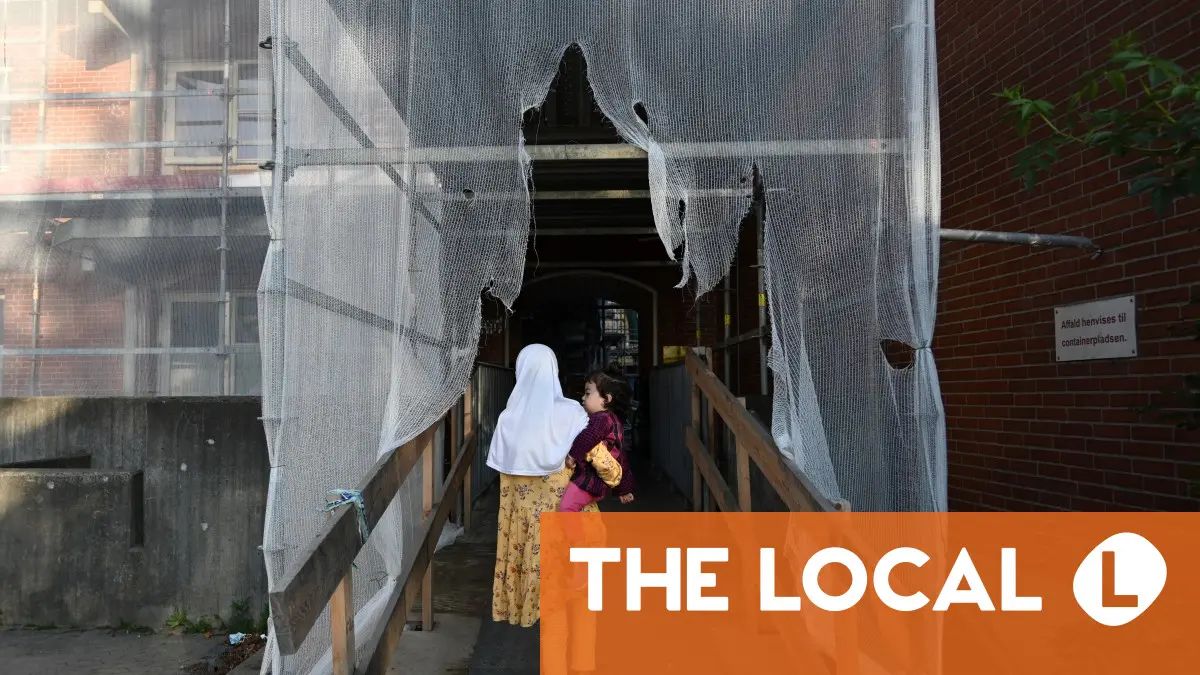
Displacement and Discrimination: The Fight for Mjølnerparken and Denmark’s Housing Policies
A quiet battle is unfolding in copenhagen, Denmark, centered around the Mjølnerparken housing estate. It’s a case that goes far beyond bricks and mortar, touching on issues of social equity, discriminatory housing policies, and the rights of marginalized communities.This article delves into the complexities of the situation, examining the displacement of residents and the legal challenges facing Denmark’s approach to neighborhood diversification.
The Roots of the Conflict
Mjølnerparken, a social housing complex, became the focus of redevelopment plans following a resident-approved renovation project in 2015. Though, the process quickly evolved, leading to widespread displacement and accusations of systemic discrimination. The core of the issue lies in Denmark’s efforts to address what officials deem “non-Western” concentrations within certain neighborhoods.
A resident, speaking anonymously, expressed frustration with being categorized as part of a “ghetto” or “parallel society” based on demographic data. this sentiment highlights a key concern: the use of ethnicity as a factor in urban planning and social engineering.
The Renovation and its Consequences
The renovation, initially intended as a refurbishment, escalated into a large-scale transformation. All 1,493 residents were required to temporarily relocate in 2020. This temporary relocation has stretched on for years, with many facing indefinite uncertainty.
* Prolonged Displacement: Residents were initially promised a four-month relocation, but many have been displaced for over three years, receiving repeatedly delayed completion dates.
* Loss of Affordable Housing: 295 of the original 560 homes have been replaced, with two apartment blocks sold and converted into market-rate rentals, effectively pricing out original tenants.
* Forced Relocation: Many residents, seeking stability, opted to move to other neighborhoods rather than endure the prolonged uncertainty of the renovation process.
The Legal Challenge and Concerns Over Discrimination
The situation has sparked a legal battle, raising critical questions about the legality and ethical implications of Denmark’s housing policies. Advocates argue that the legislation disproportionately impacts already disadvantaged ethnic groups.
an advocate general stated in February that while diversifying neighborhoods may be well-intentioned,it shouldn’t come at the expense of vulnerable communities. The current Danish legislation, they argue, does precisely that.
The case is currently before the courts, with a ruling expected soon. A negative outcome coudl have far-reaching consequences.
* A Precedent for Discrimination: A loss would essentially grant Denmark a “carte blanche” to enact discriminatory laws, according to Lamies Nassri of the Center for Muslims’ Rights in Denmark.
* marginalization of Muslim Citizens: Nassri emphasizes that such laws notably affect Muslim citizens, who already face meaningful marginalization and stereotyping.
* Wider Impact: Experts estimate that approximately 11,000 people across Denmark could be forced to leave their homes by 2030 due to similar policies.
What This Means for You
If you are a resident of Denmark, or considering moving there, understanding these policies is crucial. You should be aware of your rights as a tenant and the potential for displacement in areas undergoing redevelopment.
For those interested in social justice and urban planning, the Mjølnerparken case serves as a stark warning about the dangers of policies that prioritize demographic engineering over the well-being of communities. It underscores the importance of advocating for inclusive and equitable housing solutions.
Looking Ahead
Even if the court rules against the residents, the fight isn’t over. The case could continue within Denmark’s legal system. However, a setback would represent a significant blow to the principles of social justice and equal housing rights.
The story of Mjølnerparken is a microcosm of broader challenges facing diverse communities in Europe. It demands a critical examination of how urban development impacts vulnerable populations and a commitment to creating truly inclusive and equitable cities.
Further Reading:
* Danish government targets foreign nationals for reassessment of disability pensions


