
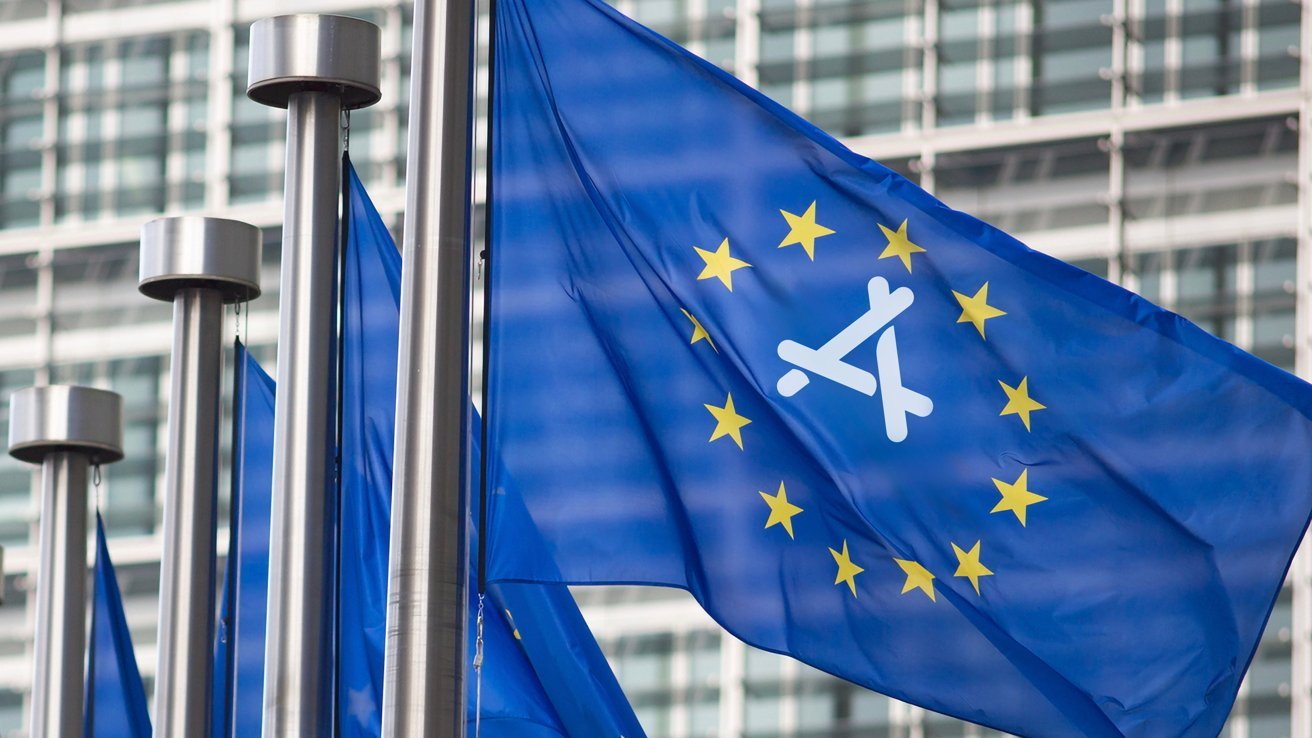
The Digital Markets Act & Apple: A Critical Assessment of EU Regulation
The digital markets Act (DMA), a landmark piece of legislation from the European Union, aims to curb the power of “gatekeeper” tech companies and foster competition in digital markets. Though, its implementation has sparked significant controversy, notably with Apple. This article provides a thorough analysis of the DMA, its impact on Apple, and the company’s increasingly vocal objections, exploring the nuances of this complex regulatory landscape.We’ll delve into the technical details, industry terminology, and potential consequences of the DMA, offering a balanced perspective on this evolving situation.
H2: Understanding the Digital Markets Act (DMA)
The DMA, which came into full effect in May 2024, targets large online platforms designated as “gatekeepers” - companies with significant market capitalization, a large user base, and control over core platform services like messaging, search engines, and app stores. These gatekeepers are subject to a set of “dos and don’ts” designed to prevent anti-competitive practices.
Key provisions of the DMA include:
* Interoperability: Requiring messaging apps to be interoperable,allowing users of different platforms to communicate seamlessly.
* Data Portability: Giving users greater control over their data and the ability to easily transfer it between platforms.
* Fair Access: Ensuring third-party businesses have fair access to gatekeeper platforms, including app stores.
* Restrictions on Self-Preferencing: Preventing gatekeepers from favoring their own services over those of competitors.
The EU’s goal is to create a more level playing field, fostering innovation and providing consumers with more choices. However, the implementation has been fraught with challenges, and Apple has emerged as a particularly strong critic.
H3: Apple’s Core Objections to the DMA
Apple’s response to the DMA has been unusually forceful, going beyond typical corporate lobbying. The company argues that the law, as currently implemented, is not achieving its stated goals and is, in fact, detrimental to both its business and European consumers. Their primary concerns center around several key areas:
* Security and Privacy Risks: Apple contends that mandated interoperability,particularly with messaging apps,weakens end-to-end encryption and introduces security vulnerabilities.They argue that forcing open their walled garden compromises the privacy protections they offer users.
* Reduced Innovation: Apple believes the DMA stifles innovation by removing incentives to develop unique features and services. The restrictions on self-preferencing, such as, limit their ability to integrate hardware and software seamlessly.
* Benefit to Larger Competitors: A central argument is that the DMA primarily benefits other large tech companies, rather than smaller startups. By forcing Apple to open up its ecosystem, the law allows competitors like Google and Meta to gain access to its user base without having to invest in comparable security and privacy infrastructure.
* Impact on User Experiance: apple asserts that the DMA-mandated changes degrade the user experience on its devices,leading to fragmentation and inconsistencies.
H2: The Current Review and Apple’s Call for Repeal
The European Commission initiated a review of the DMA in september 2025, opening a consultation period for stakeholders to provide feedback. Apple seized this chance to deliver a scathing critique, not just requesting amendments but calling for the law to be repealed and replaced.
In its submission, apple argues that the DMA is based on flawed assumptions about the digital market and that its unintended consequences outweigh any potential benefits. They presented data suggesting that the law has not led to increased competition or lower prices for consumers.Instead, they claim it has created a more complex and fragmented landscape, benefiting only their larger rivals.
This strong stance reflects a growing frustration within Apple, which views the DMA as an overreach of regulatory power and a threat to its business model. The company is actively engaged in legal challenges to specific aspects of the law





