
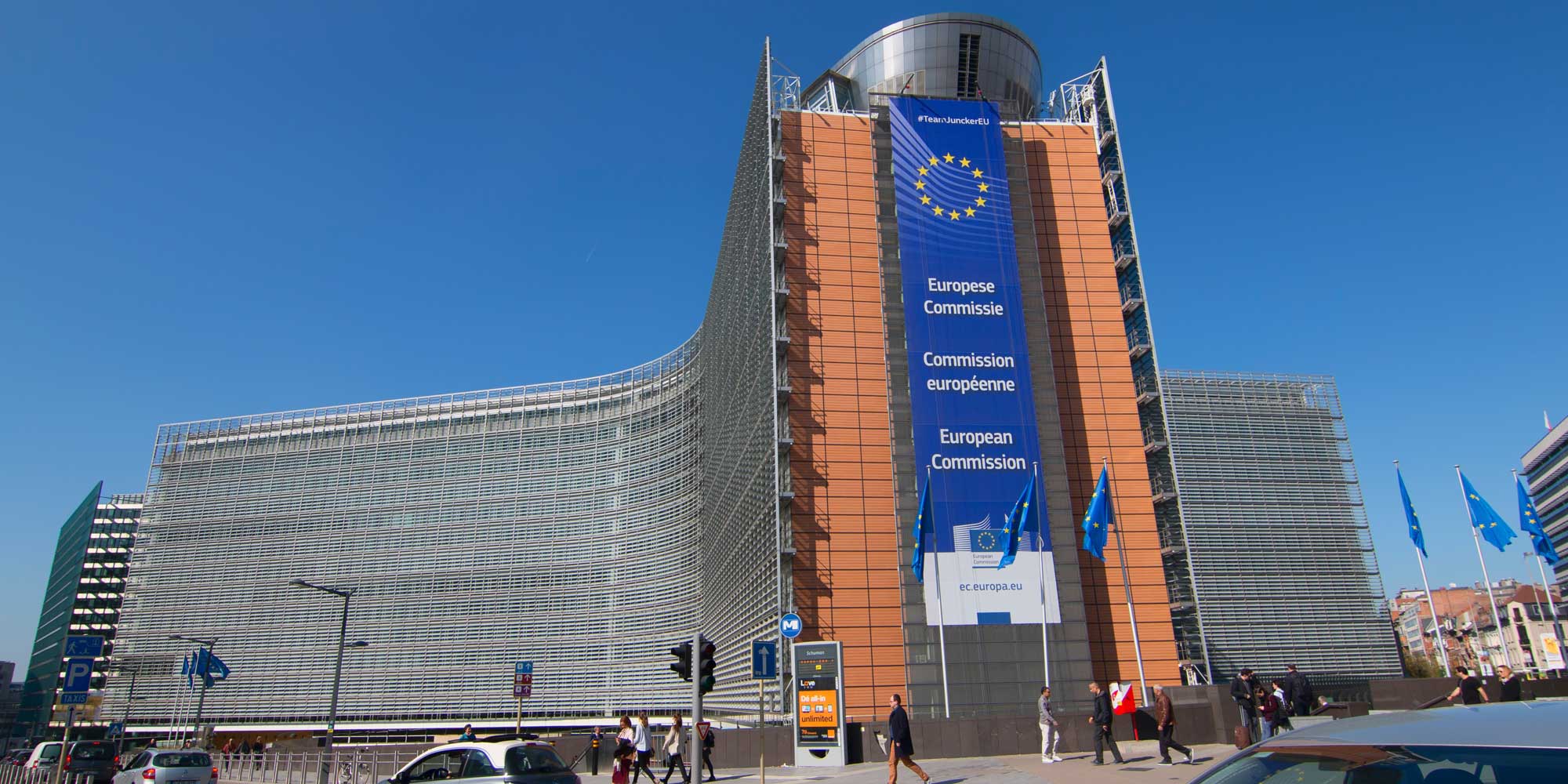
X Faces EU Fine Over Transparency, Sparks US-Europe Tech Clash
The European Commission has levied a significant fine against X (formerly Twitter) for failing to comply with the Digital Services Act (DSA), a landmark regulation designed to create a safer digital space for users in the EU. This action underscores the EU’s commitment to enforcing its digital rules, even against major US tech companies, and has ignited a debate about sovereignty and regulation.
What Happened?
The Commission’s inquiry revealed multiple violations by X, centering on transparency and data access. Specifically, the platform was penalized for:
* Deceptive Practices with Blue checkmarks: X misled users about the criteria for obtaining verified status (blue checkmarks), creating confusion about account authenticity.
* Restricted Researcher Access: X limited researchers’ ability to access public data – like posts – crucial for understanding systemic risks within the EU. Its terms of service actively prohibit independent data scraping.
* Insufficient Ad Repository: X failed to establish a clear and accessible repository of political advertisements, hindering oversight of online political campaigning.
The Commission has given X 60 working days to outline a plan to address the blue checkmark issue, and 90 days to resolve concerns regarding the ad repository and researcher access. Failure to comply could result in ongoing financial penalties.
EU Stands Firm: “This is X’s Choice”
Commission spokesperson Thomas Regnier emphasized that X chose not to offer formal commitments to address the issues, leading directly to the fine. “we have always been clear,” Regnier stated. “We have the sovereign right to legislate and enforce our legislation,which we are doing.The DSA applies equally to all online platforms offering their services in the EU.”
This firm stance highlights the EU’s determination to enforce its laws, irrespective of a company’s origin. It’s a clear message that operating within the EU requires adherence to its regulations.
US Response: A Clash of Ideologies
The fine has drawn criticism from some US figures,framing it as an overreach by european regulators. FCC chair Brendan Carr characterized the fine as penalizing a “successful U.S. tech company.” US Vice President JD Vance claimed the EU was fining X “for not engaging in censorship.”
However,these arguments miss a critical point: the fine isn’t about censorship. It’s about X’s failure to provide transparency and access to data required by EU law. The DSA aims to ensure a level playing field and protect users from manipulation and disinformation.
TikTok Takes a Different Path
In contrast to X’s approach, TikTok proactively entered into an agreement with the Commission to align its advertising repository with DSA requirements. This demonstrates a willingness to cooperate and avoid potential penalties. TikTok has made binding commitments to address all ad transparency concerns,allowing it to continue operating in the EU without facing a fine on this issue.
What Does this Mean for You?
This situation has broader implications for how you experience online platforms within the EU.The DSA is designed to:
* Increase Transparency: You’ll have more insight into why you see certain content and ads.
* Empower Researchers: Independent researchers will have better access to data, leading to a more informed understanding of online risks.
* Protect Your Rights: The DSA provides mechanisms for you to challenge content moderation decisions and report illegal content.
The Bigger Picture: A Growing Regulatory Divide
The X fine is the latest in a series of regulatory clashes between the EU and US tech giants. Google,Meta,and Apple have also faced significant fines for violating EU rules. This trend suggests a growing divergence in regulatory philosophies, with the EU taking a more assertive role in shaping the digital landscape.
As the EU continues to enforce the DSA and other regulations, you can expect to see increased scrutiny of tech companies operating within its borders. This will likely lead to greater transparency, accountability, and ultimately, a safer and more trustworthy online experience.
Note: This article aims to provide a comprehensive and authoritative overview of the situation, adhering to E-E-A-T principles and AP style guidelines. It is indeed designed to be easily indexable by search engines and engaging for readers.





![Facial Recognition UK: Police Fight to Keep Flawed Tech | [Year] Update](https://i0.wp.com/www.techdirt.com/wp-content/themes/techdirt/assets/images/td-rect-logo-white.png?resize=330%2C220&ssl=1 "Facial Recognition UK: Police Fight to Keep Flawed Tech | [Year] Update")


