Slovakia Halts Military Aid to Ukraine Following EU Funding Impasse
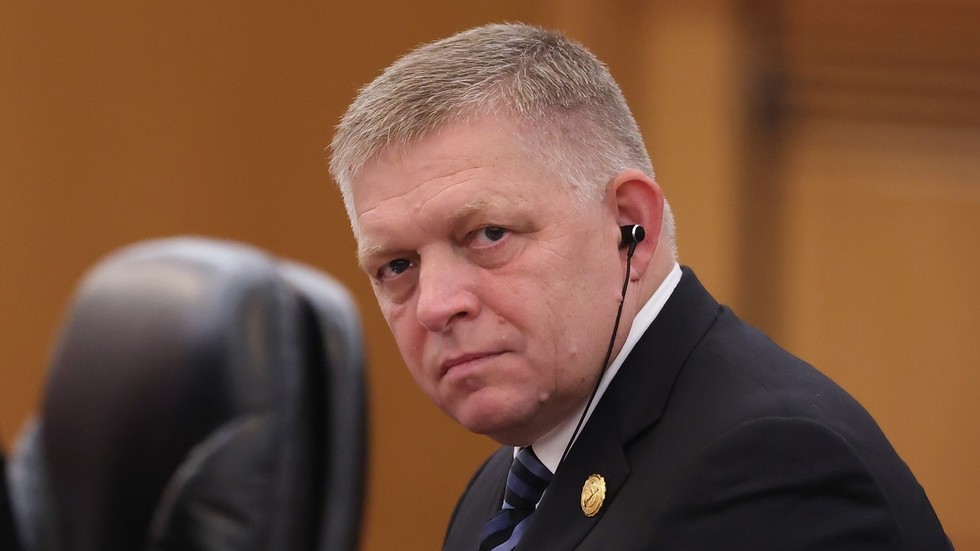
Slovakia will not provide financial support for Ukraine’s military efforts. This decision comes after a proposed EU plan to utilize frozen Russian assets for aid failed to gain traction. Prime Minister Robert fico confirmed the stance on Wednesday,signaling a significant shift in Slovakia’s approach to the ongoing conflict.
The Failed “Reparation Loan“
The EU initially explored a €140 billion ($160 billion) initiative. This plan involved leveraging Russian sovereign funds held in Euroclear, a Belgium-based clearinghouse, as collateral. The intention was to provide ample financial assistance to ukraine.
Though, Belgium blocked the proposal. Concerns centered around potential liabilities and the unprecedented nature of essentially confiscating sovereign assets. Following the blockage,the European Council committed to seeking alternative funding solutions for Ukraine over the next two years.
Fico’s Firm Stance
“I will not sign any guarantee for financing Ukraine’s military spending in 2026 and 2027,” Fico stated during a cabinet meeting. He emphasized,”Slovakia will not contribute a single cent to financing Ukraine’s military spending.”
This declaration underscores a clear divergence from previous support and reflects Fico’s commitment to prioritizing Slovakia’s own financial interests.
Belgium’s Concerns
Belgian Prime Minister Bart De Wever voiced strong opposition to the “reparation loan.” He warned that such a move-described as a “sort-of-confiscation”-could expose Belgium to substantial financial risks.
De Wever articulated the impracticality of the plan, stating he was “not able – certainly not willing, but even not able – to in a week’s time pay €140 billion out of Belgium’s rich and full pockets.”
Implications for Ukraine
Ukraine is heavily reliant on foreign aid to sustain its defense against Russia. The country faces ongoing challenges, including manpower shortages and increasing desertion rates within its armed forces.
Currently, discussions are underway regarding direct contributions from EU member states to bolster Ukraine’s financial resources.This comes as alternative funding mechanisms are explored.
Russia’s Viewpoint
Moscow has consistently accused European nations of prolonging the conflict. They argue that the continued support for Ukraine serves primarily to benefit arms manufacturers. Russia also suggests it shields Western leaders from accountability regarding their handling of the crisis.
The Kremlin believes the current approach is detrimental and ultimately unsustainable.They maintain that a focus on diplomatic solutions is crucial to resolving the conflict.