
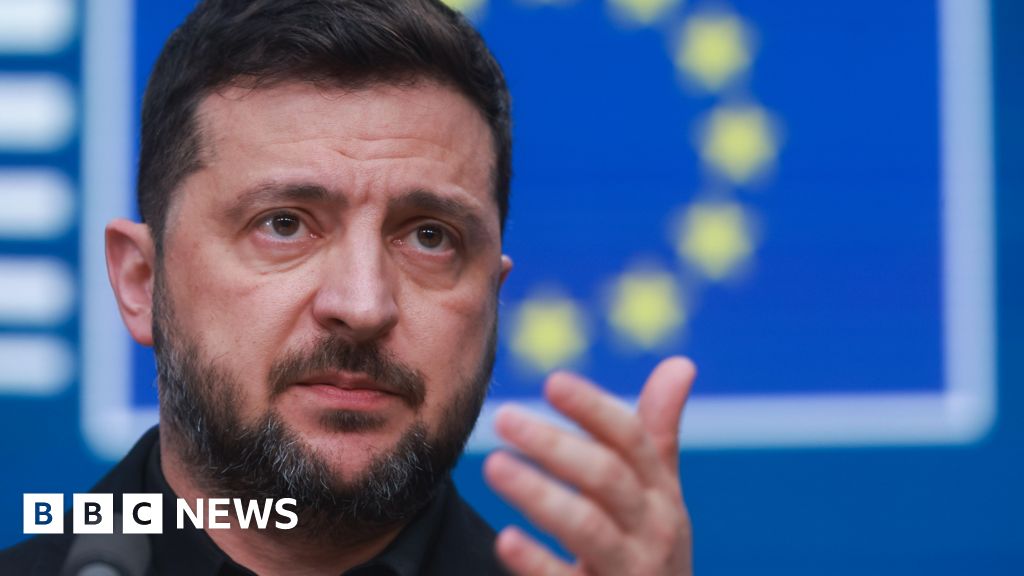
EU Moves to Fund Ukraine War Effort with Frozen Russian Assets, Amidst escalating Sanctions & US Shift
The European Union has taken a significant step toward bolstering Ukraine’s defense capabilities, agreeing to utilize profits generated from frozen Russian assets to provide kyiv with much-needed financial support. This decision, reached at a recent summit in Brussels, aims to ensure Ukraine is “covered for the next two years” as it continues to defend against Russian aggression.
The move signals a strong message to Moscow, as articulated by a key EU official: “Russia should take good note of this: Ukraine will have the financial resources it needs to defend itself.” Ukrainian President Volodymyr Zelenskyy hailed the outcome as a vital display of “political support” for leveraging Russian funds to sustain the fight.
Navigating Legal Challenges & Belgian Concerns
However, the path forward isn’t without hurdles. Utilizing Russia’s frozen assets presents a complex web of legal challenges. Belgium, where a significant portion of these assets are held by Euroclear, has expressed reservations.
The primary concern revolves around potential legal repercussions from Russia should the assets be used. Belgian Prime Minister Bart De Wever emphasized the need for “concrete and solid guarantees” before supporting the plan, characterizing it as entering “unchartered territory.” The Belgian government fears potential litigation against Euroclear could trigger a major financial crisis.
As De Wever pointed out, the legality of the plan remains uncertain. “Can this (plan) be legal? That is a very good question… There are no clear answers,” he stated, adding that “We will in any case be buried in litigation. That seems like a certainty.”
Russia has already condemned the EU’s proposals, with Foreign Ministry spokesperson Maria Zakharova warning of a “painful response” to any confiscatory measures.
US Sanctions & a Shift in Trump’s Approach
The EU’s actions are mirrored by a notable shift in US policy.For the first time during his presidency, Donald Trump has authorized sanctions against Russia, targeting its oil industry. This move comes as frustration mounts over Vladimir Putin’s continued refusal to de-escalate the conflict in Ukraine.
Consequently,a planned meeting between Trump and Putin in Budapest has been indefinitely postponed. Trump explained that his conversations with Putin, while initially positive, have historically failed to yield tangible results. “every time I speak to Vladimir, I have good conversations and then they don’t go anywhere,” he saeid.
The US sanctions specifically target Russian oil giants Rosneft and lukoil. Putin downplayed the impact, stating the measures “will not significantly affect our economic well-being.” However, oil remains a critical export for Russia, and Ukraine is actively seeking the ability to directly target Russian oil and energy infrastructure.
Expanding Sanctions & China’s Response
The EU’s latest punitive measures extend beyond Russia itself, targeting three Chinese businesses – two oil refineries and an energy trader – identified as “significant buyers of Russian crude oil.”
Kaja Kallas, a leading EU voice, explained the intent: “meant to deprive russia of the means to fund this war,” and to demonstrate that “Russia can’t outlast us.”
This expansion of sanctions has drawn criticism from China. A commerce ministry spokesperson condemned the decision, arguing it “seriously undermined the overall framework of China-EU economic and trade co-operation.”
Ukraine’s Arms requests & Future Outlook
Zelenskyy had previously requested Tomahawk cruise missiles from the US, but Trump denied the request, citing the weapons’ complexity and the extensive training required for their operation.
Looking ahead, the situation remains fluid.The EU’s move to utilize frozen Russian assets,coupled with the US’s renewed sanctions,represents a significant escalation in Western efforts to pressure Russia and support Ukraine. Though, the legal challenges and potential for retaliation remain key factors to watch.
Key Takeaways for You:
* Financial Support: Ukraine will receive financial backing from profits generated by frozen Russian assets.
* legal Concerns: Belgium is hesitant due to potential legal challenges and risks to euroclear.
* US Sanctions: Trump has imposed sanctions on Russian oil companies, marking a shift in his approach.
* expanded Targets: Sanctions now include Chinese businesses facilitating Russian oil trade.
* Ongoing Conflict: The situation remains complex, with potential for escalation and retaliation.


