
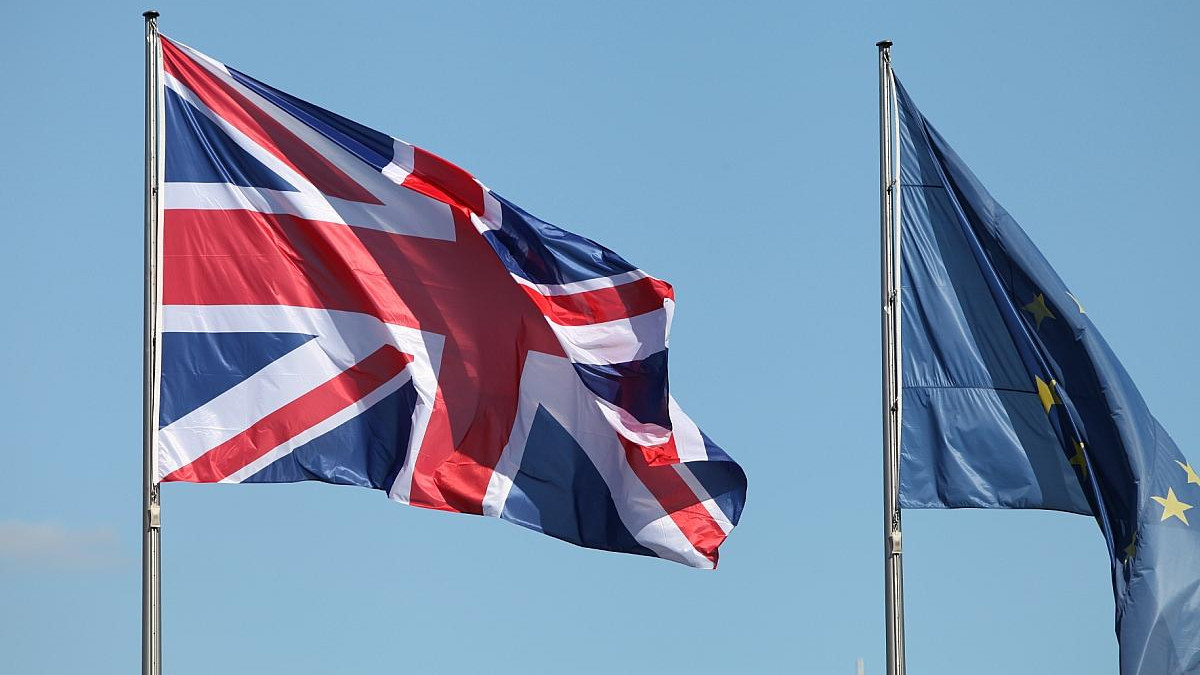
Brussels, Belgium – The European Union and the United Kingdom are accelerating efforts to renegotiate their relationship, aiming for a summit before the British parliamentary summer recess in July, with discussions focused on forging new trade deals. The planned meeting will involve European Commission President Ursula von der Leyen and British Prime Minister Keir Starmer, according to reports. This renewed push for closer economic ties comes as both sides seek to address lingering issues stemming from Brexit and navigate a complex geopolitical landscape.
The move towards a more collaborative approach marks a significant shift in the dynamic between Brussels and London, particularly after the initial disruptions caused by the UK’s departure from the EU in 2021. The upcoming summit builds on a foundation of renewed dialogue established at a meeting in May of last year, signaling a willingness from both parties to discover common ground. The urgency is further amplified by the necessitate for stable economic partnerships amidst global uncertainties, including the ongoing conflict in Ukraine and evolving transatlantic relations.
Negotiations are expected to center on four key areas: emissions trading (ETS), the electricity market, food and agricultural standards (SPS), and defense cooperation. EU officials have described the timeframe as “ambitious but achievable,” indicating a commitment to making substantial progress within the coming months. To maintain momentum, EU Trade Commissioner Maros Sefcovic and British Europe Minister Nick Thomas-Symonds have agreed to meet bi-weekly, alternating between London and Brussels, with their next meeting scheduled for Monday in Brussels.
Brexit Review and the Path Forward
The impetus for these renewed negotiations is as well tied to the ongoing review of the 2021 Brexit agreement. This review provides an opportunity to address points of contention and refine the existing framework. The original agreement, formally known as the Trade and Cooperation Agreement, established a new relationship between the EU and the UK, covering areas such as trade, security, and cooperation. However, several issues have remained unresolved, leading to friction in areas like Northern Ireland and trade barriers.
Ursula von der Leyen, who has served as President of the European Commission since December 2019, has consistently advocated for a pragmatic and constructive relationship with the UK. Von der Leyen’s background, including her previous roles in German politics and as a minister in several portfolios, has shaped her approach to international negotiations. She was previously the German Minister of Defence from 2013 to 2019, and before that held portfolios related to family, labor, and social affairs. Her leadership is seen as crucial in navigating these complex talks.
Key Areas of Negotiation: A Deeper Dive
The four areas identified for new agreements represent critical components of the EU-UK economic relationship. The Emissions Trading System (ETS) is a cornerstone of the EU’s climate policy, and establishing a compatible system with the UK is vital for achieving shared environmental goals. Discussions on the electricity market aim to ensure a stable and secure energy supply for both sides, particularly in light of the energy crisis exacerbated by the war in Ukraine.
Food and agricultural standards (SPS) have been a particularly sensitive issue, with concerns about maintaining quality and safety while facilitating trade. Finding common ground on these standards is essential for avoiding disruptions to the food supply chain. Finally, strengthening defense cooperation is seen as a strategic imperative, given the evolving security challenges in Europe and beyond. Increased collaboration in this area could enhance both the EU’s and the UK’s ability to respond to threats and maintain stability.
The push for new agreements also reflects a broader trend towards strengthening partnerships in a fragmented global economy. The EU and the UK recognize the need for reliable alliances in the face of geopolitical uncertainties and the need to foster economic resilience. This shared understanding is driving the current efforts to overcome past disagreements and forge a more constructive future relationship.
The Role of Maros Sefcovic and Nick Thomas-Symonds
The bi-weekly meetings between EU Trade Commissioner Maros Sefcovic and British Europe Minister Nick Thomas-Symonds are intended to accelerate the negotiation process and address potential roadblocks. Sefcovic has been a key figure in the EU’s Brexit negotiations, and his experience will be invaluable in navigating the complexities of the upcoming talks. Thomas-Symonds, appointed as Minister for the Cabinet Office in November 2023, is responsible for overseeing the UK’s relationship with the EU. The Handelsblatt report highlights the importance of these direct talks in maintaining momentum and building trust between the two sides.
The frequent meetings are designed to create a more collaborative atmosphere and facilitate rapid decision-making. By addressing issues promptly and proactively, both sides hope to avoid the delays and disagreements that characterized previous negotiations. The focus will be on identifying areas of convergence and finding creative solutions to overcome remaining obstacles.
Impact and Implications
The outcome of these negotiations will have significant implications for businesses, consumers, and citizens on both sides of the Channel. New trade agreements could reduce barriers to trade, lower costs, and boost economic growth. A more stable and predictable relationship would also provide greater certainty for investors and encourage cross-border collaboration.
However, challenges remain. Differences in regulatory approaches and political priorities could complicate the negotiations. Successfully navigating these challenges will require a willingness to compromise and a commitment to finding mutually beneficial solutions. The success of this endeavor will not only shape the future of the EU-UK relationship but also send a signal about the potential for international cooperation in a world facing increasingly complex challenges.
The upcoming summit in July represents a critical juncture in the EU-UK relationship. The willingness of both sides to engage in constructive dialogue and pursue ambitious agreements offers a glimmer of hope for a more stable and prosperous future. The world will be watching closely as Ursula von der Leyen and Keir Starmer attempt to chart a new course for their respective nations.
The next key checkpoint will be the meeting between EU and UK negotiating teams in Brussels on Monday, February 24th, as they prepare for the high-level summit in July. We encourage readers to share their thoughts on these developments and engage in a constructive discussion about the future of the EU-UK relationship in the comments below.




