
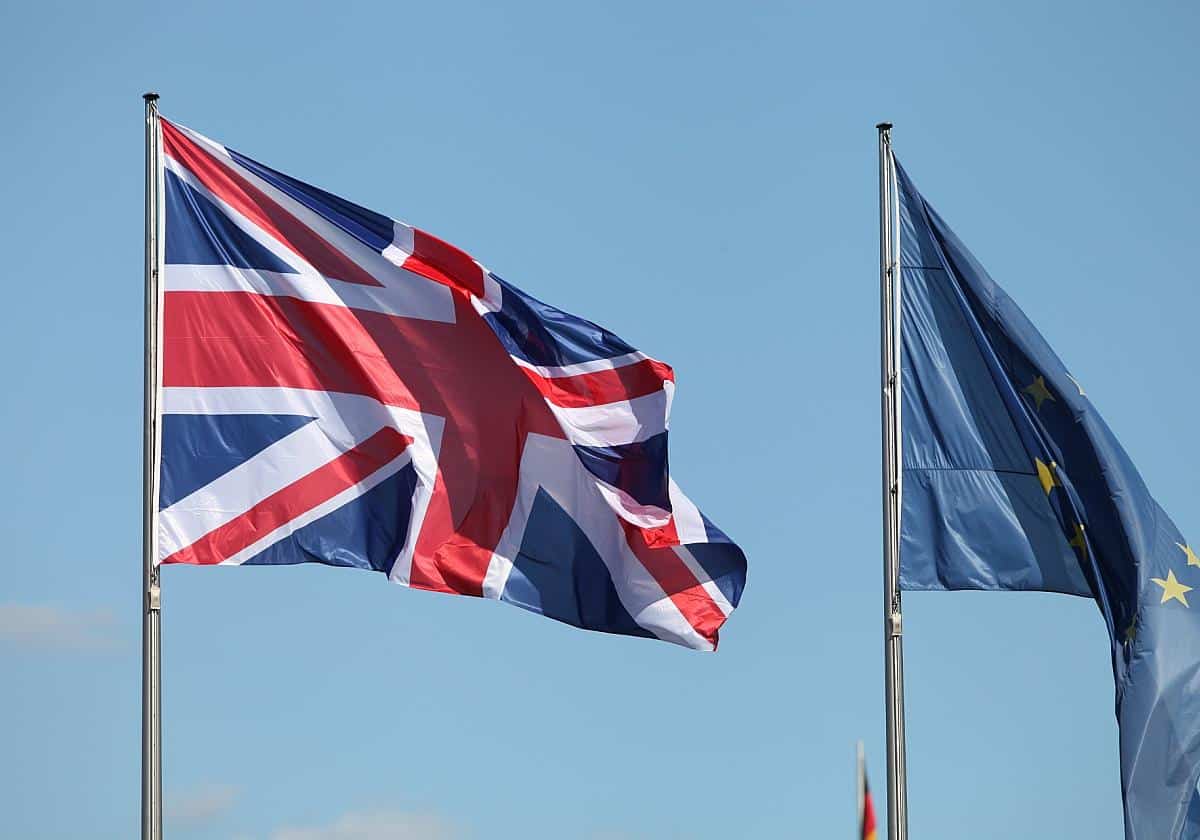
Lisbon, Portugal – The European Union and the United Kingdom are accelerating efforts to reshape their post-Brexit relationship, aiming for concrete progress by July, before the UK Parliament’s summer recess. This renewed push for closer ties comes amid a shifting geopolitical landscape and a shared recognition of the benefits of cooperation, particularly in areas like defense and economic stability. The initiative, confirmed by multiple sources, signals a significant shift in tone after years of often-contentious negotiations following the UK’s departure from the EU in 2020.
The commitment to a summit between European Commission President Ursula von der Leyen and British Prime Minister Keir Starmer before July represents a tangible step towards resolving lingering issues and forging new agreements. While the initial years following Brexit were marked by friction, both sides now appear keen to establish a more pragmatic and collaborative framework. This change in approach is driven, in part, by the challenges posed by the war in Ukraine and the increasing need for reliable partnerships in an uncertain world. The UK and EU are seeking to demonstrate a united front on key issues, including security and economic resilience.
A Renewed Focus on Key Areas of Cooperation
Negotiations are currently focused on four key areas: emissions trading (ETS), the electricity market, food and agricultural standards (SPS), and defense cooperation. Reaching agreements in these sectors is seen as crucial for fostering closer economic and strategic alignment. The European Commission and the British government have tasked their respective negotiating teams with delivering concrete results by the time of the planned summit. According to sources familiar with the discussions, the timeline is “ambitious, but achievable.”
The Emissions Trading System (ETS) is a key component of the EU’s climate policy, and establishing a link between the EU and UK systems could facilitate carbon reduction efforts and promote a level playing field for businesses. Similarly, closer cooperation on the electricity market could enhance energy security and reduce costs for consumers. Addressing SPS standards is vital for ensuring smooth trade in agricultural products, while enhanced defense cooperation is seen as essential for bolstering security in a volatile geopolitical environment. Von der Leyen described the renewed relationship as a “historic moment,” emphasizing the importance of unity in the face of global challenges.
Building on Previous Agreements and the Brexit Review
The current push for closer ties builds on a previous agreement reached at a summit in May of last year, which signaled a willingness to move beyond the initial acrimony of the Brexit process. The ongoing review of the 2021 Brexit agreement provides a window of opportunity to address outstanding issues and refine the terms of the relationship. This review allows both sides to identify areas where adjustments can be made to improve the functioning of the agreements and address concerns raised by businesses and citizens.
The UK and EU have also agreed to a more frequent dialogue between their chief negotiators, Maros Sefcovic, the EU’s Trade Commissioner, and Nick Thomas-Symonds, the British Minister for Europe. They will meet every two weeks, alternating between London and Brussels, to maintain momentum and address any roadblocks that may arise. The next meeting is scheduled for Monday in Brussels, according to reports. This intensified engagement underscores the commitment of both sides to making swift progress.
Geopolitical Factors Driving the Reset
The impetus for this renewed engagement extends beyond purely economic considerations. The Russian invasion of Ukraine has fundamentally altered the geopolitical landscape, highlighting the need for closer cooperation between allies. Uncertainties in transatlantic relations and a fragmented global economy further reinforce the importance of strong partnerships. Both the EU and the UK recognize the benefits of working together to address shared challenges, such as energy security, defense, and economic stability.
As noted by the Deutsche Welle, the EU is particularly keen to secure a reliable military partner in the UK, given the evolving security situation in Europe. This desire for closer defense cooperation is reflected in the focus on strengthening ties in this area during the current negotiations. The EU is also seeking to broaden its geopolitical strategy and engage with third countries more effectively, and a strong relationship with the UK is seen as crucial to achieving these goals.
The Role of Keir Starmer and a Shift in Political Dynamics
The change in leadership in the UK, with Keir Starmer now as Prime Minister, has also contributed to the improved atmosphere in negotiations. Starmer’s Labour Party has consistently advocated for a closer relationship with the EU, and his willingness to engage constructively with Brussels has been welcomed by European leaders. This contrasts with the more confrontational approach adopted by previous UK governments. Starmer aims to present any agreement as a pragmatic solution that benefits British businesses and strengthens the UK economy.
Von der Leyen, Starmer, and several member states, including Germany and France, are all pushing for rapid and tangible results. This collective pressure underscores the urgency of the situation and the shared desire to move beyond the divisions of the past. The EU-UK summit, scheduled to capture place before the UK Parliament’s summer recess in July, will be a critical test of whether these efforts will bear fruit.
The UK government anticipates that the deal could bring around nine billion pounds into the British economy by 2040, according to reports. However, the exact economic benefits will depend on the specific terms of any agreements reached. The focus on areas like emissions trading and the electricity market suggests a commitment to sustainable and long-term economic growth.
The upcoming summit represents a pivotal moment in the post-Brexit relationship between the EU and the UK. While challenges remain, the renewed commitment to dialogue and cooperation offers a glimmer of hope for a more stable and prosperous future. The success of these negotiations will not only benefit the UK and the EU but also contribute to greater stability and security in Europe and beyond.
The next key checkpoint will be the EU-UK summit planned for before the UK Parliament’s summer recess in July. Further updates on the negotiations will likely be provided by the European Commission and the British government in the weeks leading up to the summit. Readers interested in following these developments can find official information on the websites of both institutions.
What are your thoughts on the renewed efforts to strengthen ties between the EU and the UK? Share your comments below and let us know how you think this will impact the future of both regions.





