EU Set to Overhaul Visa Policy: What It Means for Travelers, Businesses, and Global Talent
The European Union is preparing a meaningful update to its visa policy, aiming to streamline access for tourists, skilled workers, and researchers while bolstering its strategic geopolitical position. This overhaul addresses long-standing frustrations voiced by both employers and potential migrants regarding the complexities of navigating EU immigration procedures. Here’s a thorough look at what’s changing and how it could impact you.
The Current Landscape & Why Change is Needed
For years, obtaining visas – both short-term for tourism and long-term for work or study – has been a hurdle for many seeking to enter the EU. Employers consistently cite visa delays and bureaucratic obstacles as barriers to attracting top talent, particularly in crucial fields like scientific research.
The EU recognizes this. As the european Commission states, the current system needs advancement to “facilitate international mobility,” especially for highly skilled professionals, students, and researchers. This isn’t just about easing travel; it’s about fostering innovation and economic growth within the EU.
Key Pillars of the New EU Visa Strategy
The upcoming strategy, expected before the end of the year, focuses on several key areas:
Boosting Skilled Migration: The EU wants to attract innovators, entrepreneurs, and highly skilled workers. Expect measures specifically targeting “start-up founders and innovative entrepreneurs” who can contribute to the EU economy.
Streamlining Existing Programs: The implementation of existing directives – like those for students, researchers, and the EU blue Card (for highly qualified workers) – will be prioritized to ensure they function effectively.
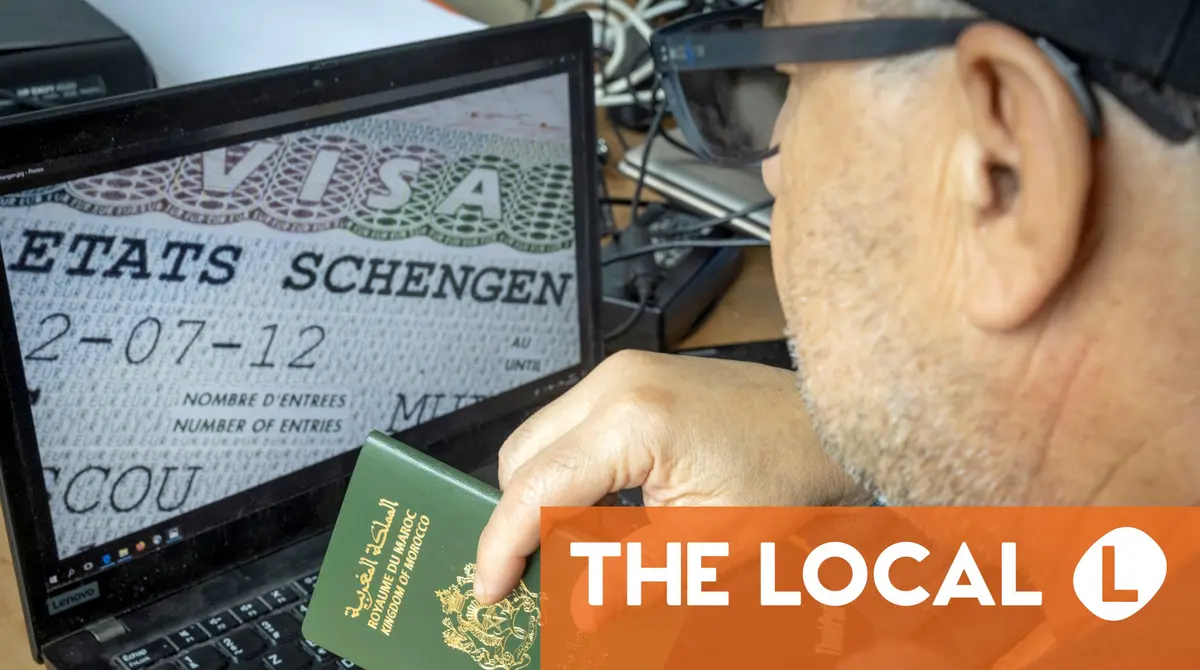
Short-Stay Visas (Schengen Area): Currently, non-EU nationals can visit the Schengen Area (most EU countries plus a few others) for up to 90 days within a 180-day period. With 9.7 million Schengen visas issued in 2024 alone, this system is vital for tourism and trade.
Long-Stay Visas & Residence Permits: The Commission acknowledges that the challenges associated with long-stay visas ofen mirror those of short-stay visas: document verification issues and lengthy appointment wait times.
Geopolitical Considerations: The EU intends to leverage its visa policy to advance its broader strategic interests, including enhanced security cooperation and addressing issues like “visa shopping” (seeking visas from the easiest-to-obtain country).
Addressing Common Pain Points: What Will Change?
The Commission is targeting several specific improvements to the visa application process:
Reduced Waiting Times: A major focus will be on decreasing the time it takes to secure visa appointments and receive decisions.
Increased Processing Capacity: The EU aims to bolster processing capabilities within non-EU countries, making it easier to apply from your home country. Streamlined Application Process: Expect simplification of application procedures and possibly more standardized documentation requirements.
Consistent Visa Exemptions: The EU will work towards a more uniform approach to visa exemptions across all member states, eliminating discrepancies that can cause confusion.
Why this Matters to You
For Tourists: If you’re planning a trip to Europe, you may experiance a smoother, faster visa application process in the future.
For Students & Researchers: The improved implementation of existing directives should make it easier to study or conduct research within the EU.
For Professionals: If you’re a highly skilled worker considering a move to the EU, the new strategy aims to remove barriers and attract top talent.
* For Businesses: Companies looking to expand into or operate within the EU should benefit from easier access to skilled employees.
A strategic Shift: Visa Policy as a Tool for Influence
beyond easing travel and migration, the EU is explicitly framing its visa policy as a tool to advance its geopolitical goals. This includes strengthening cooperation with partner countries on security matters and addressing emerging challenges like visa fraud. This strategic approach signals a more proactive and assertive stance on immigration policy.
Have Your Say: Public Consultation is Open
The European Commission is actively seeking feedback on its proposed visa policy strategy. You can contribute your views by submitting comments through [this link](https://ec.europa.eu/info/law/better-regulation/have-your-say/initiatives/1