Ireland’s basketball Dilemma: Navigating International competition Amidst Conflict
The decision of whether to compete against Israel in international basketball has become a complex and highly charged issue for Basketball Ireland. Beyond the court, this situation highlights the growing intersection of sports and geopolitical tensions. This article delves into the recent developments, potential consequences, and the broader implications for Irish basketball, providing a comprehensive understanding of the challenges faced.
The Current Situation: A Fixture Under Fire
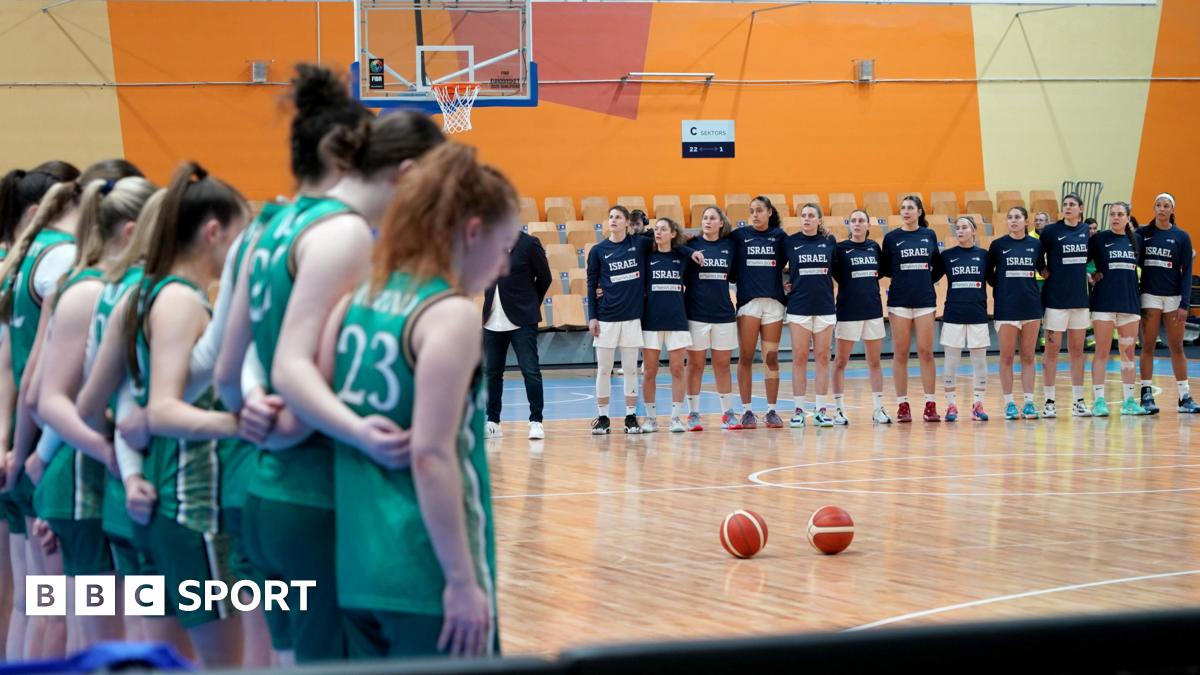
Basketball ireland is currently facing notable pressure regarding it’s EuroBasket qualifying fixtures against Israel. The upcoming games, scheduled for November 18th and beyond, have ignited a debate about participation in light of the ongoing conflict in Gaza. This isn’t a new challenge; Ireland previously faced Israel in qualifiers earlier in 2024, leading to a controversial encounter.
Recent reports indicate Basketball Ireland has already experienced a 14-year absence from international basketball, making any further sanctions notably damaging. The stakes are incredibly high, extending far beyond a single game.
The Financial Cost of Non-Participation: A Steep Price
FIBA Europe, the governing body for European basketball, has outlined substantial financial penalties for Ireland should they choose to boycott the fixtures. Here’s a breakdown of the potential costs, as of late 2024:
First Fixture Boycott: A fine of €80,000 (approximately £69,000).
return Fixture Boycott: An additional fine of €100,000 (approximately £86,000). Exclusion from Future Tournaments: Removal from qualifying rounds for the 2027 and 2029 EuroBasket championships.
Pre-qualification Withdrawal: A €30,000 (approximately £26,000) fine if Ireland withdrew before qualification began, with the possibility of further sanctions.
These aren’t merely fines; they represent a significant blow to the financial stability and future development of Irish basketball. You can find more details on FIBA Europe’s regulations here.
Beyond Finances: Reputational Damage and Player Concerns
The issue extends beyond monetary penalties. The initial EuroBasket qualifier in February 2024 was marked by protest from the Irish team, who refused to shake hands with Israeli players and stood aside during national anthems. This action sparked controversy, with Israeli player dor Saar alleging “antisemitism” within the Irish team – accusations Basketball Ireland vehemently denied, reporting the comments to FIBA Europe.
Ireland received a warning from FIBA for their initial protest, leading to a more conventional approach in a subsequent match in Riga, where players stood for the anthems and shook hands. However, the underlying tensions remain.
This situation raises critical questions about the emotional and psychological well-being of the Irish players. Are athletes being put in an impractical position, forced to choose between their principles and their careers? The pressure on these athletes is immense.
the Broader Context: Sports and Geopolitics
Ireland’s dilemma is not isolated.Increasingly, sporting events are becoming entangled with geopolitical conflicts. We’ve seen similar debates surrounding competitions involving Russia following the invasion of Ukraine. This trend highlights the growing expectation for sports organizations to take a stand on ethical and political issues.
A recent study by the Global sport Institute at Arizona State University (November 2023) found that 78% of sports fans believe athletes should use their platform to speak out on social and political issues. https://globalsportinstitute.com/ This demonstrates a shift in public perception, placing greater obligation on athletes and governing bodies.
What Does This Mean for Irish basketball?
basketball Ireland is walking a tightrope. Complying with FIBA regulations to avoid crippling financial penalties risks accusations of prioritizing sport over ethical considerations. Boycotting the games, while perhaps aligning with public sentiment, could severely damage the future of the sport in Ireland.
Ireland will also compete against Luxembourg and Bosnia-Herzegovina in Group A, adding another layer to the competitive landscape. The focus must remain on navigating this complex situation with integrity and a long-term vision for the sport.
Evergreen Insights: The Evolving Role of Sport
The intersection of sports and politics is not new, but its intensity is escalating.