Federal funding Withheld from Fairfax County Schools Over Transgender Student policies
The Department of Education (DOE) is moving forward with a controversial decision to withhold over $3.4 million in federal funding from Fairfax County Public Schools (FCPS), escalating a national debate over the rights of transgender students. The funding cut, impacting the Magnet School Assistance Program, stems from the district’s policy allowing students to use restrooms and locker rooms consistent with their gender identity. This action marks a notable point in the ongoing legal and political battleground surrounding Title IX interpretations and transgender student inclusion.
The Core of the Dispute: title IX and Gender Identity
At the heart of this conflict lies differing interpretations of Title IX, the federal civil rights law prohibiting sex-based discrimination in education programs and activities receiving federal funding. The DOE argues that FCPS’s policy violates Title IX by allowing transgender students access to facilities not aligned with their assigned sex at birth.
However, FCPS officials contend that reversing their policy – and forcing transgender students to use facilities inconsistent with their gender identity – would, in fact, constitute discrimination and a violation of Title IX. This argument centers on the evolving understanding of sex discrimination to include discrimination based on gender identity.
Impact on magnet schools and Students
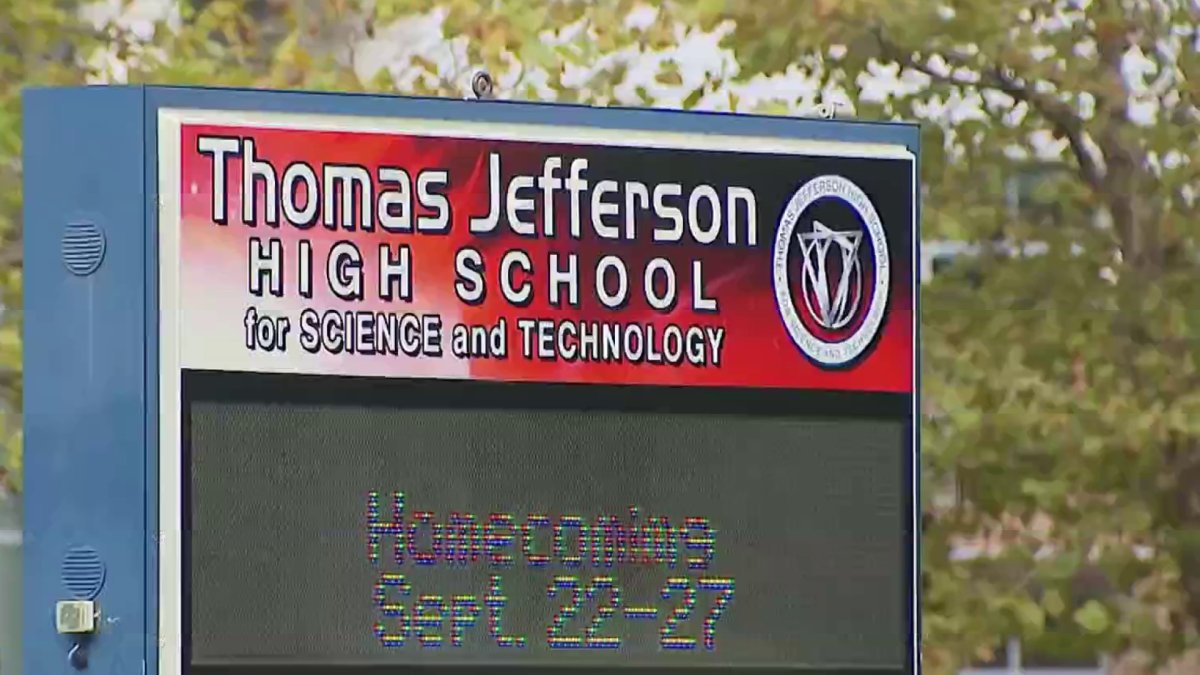
The $3.4 million in funding cuts will directly affect FCPS’s highly-regarded magnet school programs. These specialized programs, including the nationally-ranked Thomas Jefferson High School for science and Technology, rely on these funds to provide enriched educational opportunities. The loss of funding could lead to program reductions, increased class sizes, or limitations on resources available to students.
This isn’t an isolated incident. the DOE has also targeted four other Northern Virginia school districts with similar “high-risk” designations and potential funding cuts for upholding inclusive policies.
Legal Challenges and recent Developments
Fairfax County Public Schools, along with Arlington Public schools, swiftly responded to the DOE’s actions by filing a lawsuit in federal court seeking to block the funding freeze. The lawsuit argued that the DOE’s actions were arbitrary and capricious, and that the funding cuts would harm students.
Unfortunately for the school districts, a judge dismissed the lawsuit, citing jurisdictional issues and stating the case belonged in a different court. This setback underscores the complex legal landscape surrounding these policies and the challenges in securing immediate relief through the courts.
The “High-risk” Status and Financial Implications
Prior to the funding cuts, the DOE placed the affected school districts on “high-risk” status in August. This designation requires the counties to front the costs of certain expenses typically reimbursed by federal grants, creating a significant financial burden and administrative hurdle.Superintendent Michelle Reid of Fairfax County public Schools stated that the DOE’s demands could jeopardize up to $167 million in federal funding for the district.
A Broader National Context
This situation in Northern Virginia is not unique. It reflects a broader national trend of political and legal battles over transgender rights, especially within the education system. Numerous states have introduced legislation restricting transgender students’ access to school facilities, sports teams, and healthcare. These actions are often framed as protecting student safety and parental rights, while advocates for transgender rights argue they are discriminatory and harmful.
Evergreen Insights: Navigating the Complexities of Title IX and Student Rights
The ongoing dispute highlights the evolving interpretation of Title IX and the challenges of balancing the rights of all students. Historically, Title IX focused primarily on addressing gender discrimination against girls and women in athletics and academic opportunities. However, the legal landscape is shifting, with increasing recognition of gender identity as a protected characteristic.
School districts are caught in a challenging position,attempting to navigate conflicting legal interpretations and political pressures while prioritizing the well-being and educational success of all students. This situation underscores the need for clear and consistent guidance from the federal government regarding Title IX and the rights of transgender students.Furthermore, it emphasizes the importance of fostering inclusive school environments where all students feel safe, respected, and supported.
FAQ: Understanding the Fairfax County Funding Dispute
1. What is the primary reason the DOE is withholding funds from Fairfax County Public Schools?
The DOE is withholding funds because FCPS allows students to use restrooms and locker rooms consistent with their gender identity, a policy the DOE claims violates Title IX.
2. How much funding is being cut from Fairfax County Public Schools?
the DOE is cutting over $3.4 million in funding from the Magnet School Assistance Program.
3. What is Title IX, and why is it central to this dispute?
Title IX is a federal civil rights law prohibiting sex-based discrimination in education. The dispute centers on differing interpretations of