Rising Vaccine Exemptions: A Growing Threat to Community Immunity
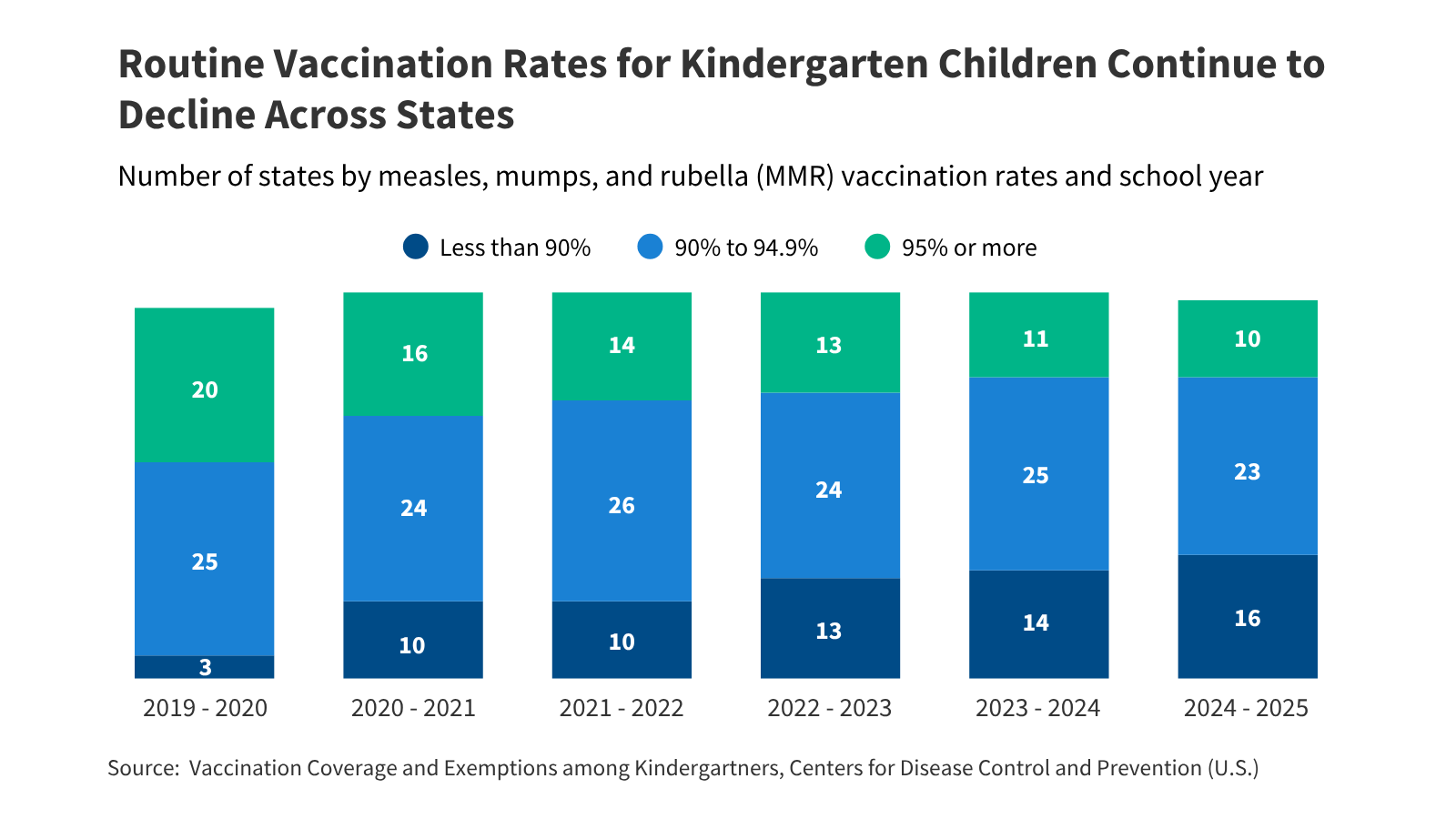
Vaccination remains one of public health’s most significant achievements, protecting individuals and communities from preventable diseases. However,a concerning trend is emerging: a rise in vaccine exemptions,particularly non-medical ones,is jeopardizing the collective immunity that safeguards us all. Recent data reveals the 2024-2025 school year saw the highest national exemption rate on record, signaling a critical moment for public health vigilance.
The Shift in Exemptions
From 2019-2020 to 2024-2025, non-medical exemptions climbed from 2.2% to 3.4%. Together, medical exemptions experienced a slight decrease, falling from 0.3% to 0.2%. While the increase in non-medical exemptions may seem modest, even small gains erode the proportion of vaccinated children and hinder efforts to achieve optimal vaccination rates.
Research consistently demonstrates a direct link between higher exemption rates and:
Lower overall vaccination coverage.
Increased risk of disease outbreaks.
A Widening Geographic Disparity
The impact of rising exemptions isn’t uniform across the country. Seventeen states now have vaccine exemption rates exceeding 5% for the 2024-2025 school year, a significant jump from the nine states recorded during the pre-pandemic period. These states face a substantial challenge in reaching the 95% vaccination coverage needed to effectively prevent outbreaks, even with full vaccination of all non-exempt children.
Furthermore, 37 states (plus the District of Columbia) witnessed an increase in kindergarteners claiming a vaccine exemption in the past year alone. This widespread trend underscores the urgency of addressing the factors driving these decisions.
Understanding State Requirements & Exemptions
Currently, all states and the District of Columbia mandate vaccinations against certain diseases, like measles, mumps, and rubella (MMR), for school attendance. Though, all states also permit medical exemptions, recognizing legitimate health concerns that preclude vaccination.
Beyond medical exemptions, 47 states (including D.C.) allow for religious or personal belief exemptions – or both. This is where the most significant changes are occurring, as concerns about vaccine safety and individual liberties fuel the demand for non-medical exemptions.
The Ongoing Debate & Policy Landscape
The issue of vaccine exemptions is sparking heated debate across the nation. You’ll find some groups and state leaders advocating for relaxed requirements and expanded non-medical exemptions. Conversely, others are proposing the elimination of non-medical exemptions altogether, prioritizing community health and disease prevention.This policy tug-of-war highlights the complex interplay between individual rights, public health responsibility, and the science supporting vaccination.
What Does This Mean for You?
As a parent or caregiver, you play a vital role in protecting your child and your community. It’s crucial to:
Stay informed: Consult with your pediatrician about the recommended vaccination schedule and address any concerns you may have.
Understand your state’s laws: Familiarize yourself with the specific vaccination requirements and exemption policies in your area.
* Advocate for evidence-based policies: Support policies that prioritize vaccination and protect community immunity.
Protecting Our Future
The rising trend in vaccine exemptions is a serious public health concern. By understanding the risks,staying informed,and advocating for sound policies,you can help ensure a healthier future for all. Maintaining high vaccination rates is not just a personal choice; it’s a collective responsibility that safeguards our communities from preventable diseases.