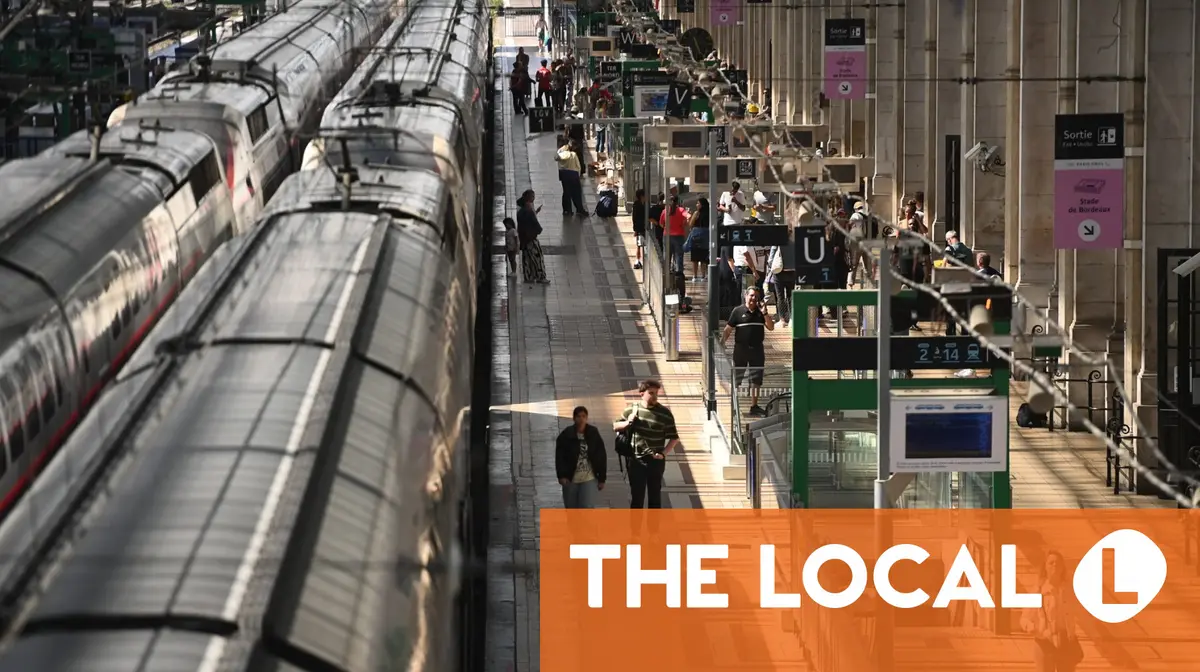
Europe on Track: Ambitious Plan to Revolutionize High-Speed Rail by 2030
Europe is poised for a dramatic overhaul of its rail network, promising faster, more convenient, adn lasting travel across teh continent.In November 2025, the European Commission launched a comprehensive plan to accelerate the advancement of high-speed rail, aiming to make cross-border train travel the backbone of a modern, carbon-neutral Europe.
This isn’t just about speed; its about connecting communities, boosting economic growth, and reducing reliance on carbon-intensive transportation. Let’s dive into what this means for your future travels.
A Vision for Faster Connections
The Commission’s plan outlines specific routes expected to see meaningful improvements in the coming years. Imagine these possibilities:
* Athens to Sofia: Cutting travel time in half,down to just six hours.
* Copenhagen to berlin: A journey slashed to a mere four hours.
* New Baltic Connections: Improved cross-border rail links between the Baltic states.
* Paris-Madrid-Lisbon: A direct route opening up convenient travel across the Iberian Peninsula.
These improvements build upon the existing Trans-European Transport Network (TEN-T), an EU initiative focused on developing a comprehensive and coordinated transport system.
Key to Success: Breaking Down barriers & Mobilizing Investment
According to the Commission, the plan focuses on turning ambition into action.This involves:
* Removing obstacles: Streamlining regulations and procedures to facilitate cross-border rail projects.
* Attracting investment: Mobilizing funds for modern infrastructure upgrades.
* Prioritizing rail: positioning rail as the central component of a sustainable European transport network.
To ensure progress, the Commission will implement binding timetables by 2027 to address bottlenecks and improve efficiency. A detailed EU financing strategy, developed in collaboration with member states, industry leaders, and financial institutions, will be unveiled in the coming months.
The Femarn Belt Tunnel: A Cornerstone of the Plan
The Copenhagen-berlin route is especially exciting, relying on the completion of the Femarn Belt tunnel connecting Denmark and Germany. Currently, travelers between these capitals face longer journeys involving ferry crossings or detours through western Denmark and Hamburg.
However, the project has faced delays.Originally slated for completion in the near future, it’s now expected to open no earlier than late 2032. Despite this setback, the Commission remains optimistic, projecting the drastically reduced four-hour journey time will be available “by 2030.”
What This Means for You
This plan represents a significant step towards a more integrated and sustainable European transport system. You can expect:
* Reduced travel times: Making rail a more competitive option compared to flying.
* Increased convenience: Seamless connections across borders.
* Lower carbon footprint: Contributing to a greener future for travel.
* Economic benefits: Boosting tourism and trade throughout Europe.
The European Commission’s commitment to high-speed rail signals a future where traveling across Europe is faster, easier, and more environmentally amiable.Stay tuned for further updates on the financing strategy and project timelines as this ambitious plan unfolds.
Further Reading:
* European Commission Statement
* Swiss National Railway Night Train to Sweden
* Femarn Belt Tunnel Delay
* Trans-European Transport Network (TEN-T)