
FFC Joins Arif Habib Consortium in PIA Acquisition: A Deep Dive
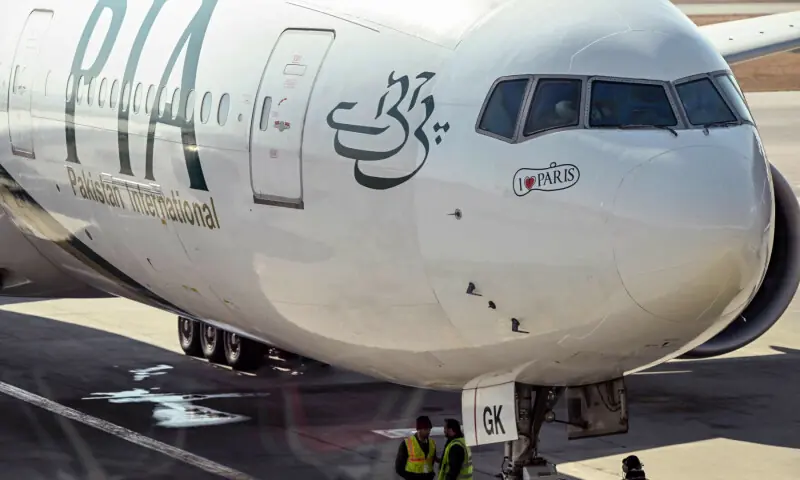
The future of Pakistan International Airlines (PIA) took a significant turn this week as Fauji Fertiliser Company (FFC) announced its decision too join the consortium led by Arif Habib corporation Limited, the winning bidder for a 75% stake in the national flag carrier. This development, confirmed by Arif Habib himself, signals a bolstering of financial and managerial strength for the aspiring PIA restructuring plan. But what does this partnership really mean for PIA, the Pakistani economy, and the future of aviation in the region? This article provides a comprehensive analysis of the situation, exploring the implications of FFC’s involvement and the road ahead for the airline.
Understanding the PIA Privatisation & Consortium Dynamics
The privatisation of PIA has been a long and complex process, fraught wiht challenges and political sensitivities. The government’s decision to sell a majority stake reflects a broader strategy to reduce the national debt and improve the efficiency of state-owned enterprises. Arif Habib Corporation Limited emerged as the preferred bidder after a competitive process, offering a vision for revitalising the airline.
FFC’s initial withdrawal from the bidding process, followed by its subsequent decision to join the winning consortium, is permitted under the Privatisation Commission’s rules. This allows bidders who initially opted out to participate in the revitalisation effort, provided they meet specific criteria. The move is being lauded by government officials as a positive development, adding crucial financial muscle and management expertise to the project.
Why FFC’s Participation Matters: A Strategic Analysis
Fauji Fertiliser Company is a major player in Pakistan’s industrial landscape, known for its financial stability and operational efficiency.Its involvement brings several key advantages to the consortium:
* Financial Strength: FFC’s robust financial position will provide a much-needed injection of capital for PIA’s restructuring and modernisation.
* Management Expertise: FFC’s proven track record in managing large-scale operations and complex logistics will be invaluable in addressing PIA’s operational challenges.
* Enhanced Credibility: The inclusion of a reputable company like FFC enhances the consortium’s credibility with international investors and partners.
* global Linkages: FFC’s existing network of international relationships could facilitate PIA’s expansion into new markets and partnerships.
The road Ahead: Challenges and Opportunities for PIA
While the consortium’s formation is a positive step, significant challenges remain. PIA faces a multitude of issues, including:
* Massive debt: PIA’s accumulated debt is a major obstacle to its recovery. Restructuring this debt will be a top priority. (Recent reports from the State Bank of Pakistan indicate PIA’s debt exceeds PKR 450 billion as of November 2025).
* Aging Fleet: The airline’s fleet is aging and requires significant investment in new aircraft.
* Operational Inefficiencies: PIA has been plagued by operational inefficiencies, including route network optimisation, on-time performance, and customer service.
* Employee Concerns: The privatisation process has raised concerns among PIA employees regarding job security and future prospects.
However, opportunities abound. A revitalised PIA could:
* Become a Regional Aviation Hub: Leveraging Pakistan’s strategic location, PIA could become a major aviation hub connecting East and West.
* Boost Tourism: Improved air connectivity and service quality could attract more tourists to Pakistan.
* Generate Economic Growth: A thriving aviation sector contributes significantly to economic growth through job creation and increased trade.
Comparing the Bidding Landscape: A Swift Reference
Here’s a summary of the key players involved in the PIA acquisition bid:
| Bidder
Previous Article  Depression & Anxiety: How Stress Impacts Heart Disease RiskBest Foreign Films of 2025: Top 15 Picks  Related Posts
George Kittle Injury Update: 49ers TE’s Status for Bears Game | M ...December 26, 2025
Mamdani’s Vision: Transforming Bus Networks for Greater ImpactDecember 26, 2025
UPS Plane Crash: Kentucky Death Toll Rises to 15 | Latest UpdatesDecember 26, 20251  2  3  4  5  |
|---|