
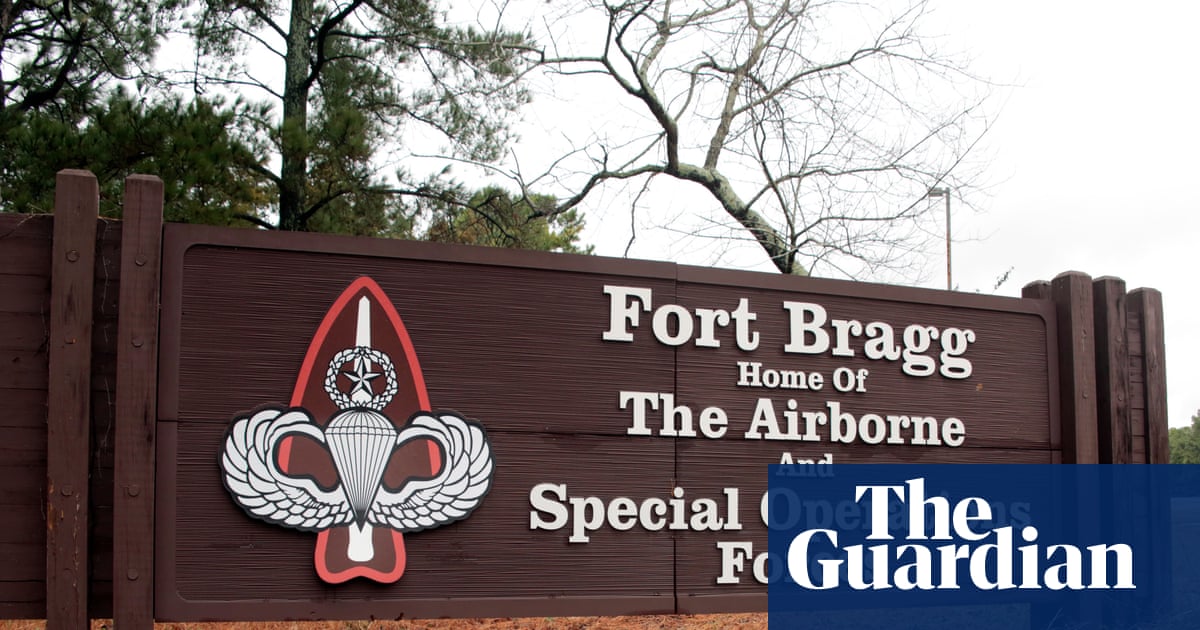
A 40-year-old Army veteran from Wagram, North Carolina, has been charged with sharing classified information about an elite commando unit with a journalist, according to the U.S. Department of Justice. Federal authorities allege that Courtney Williams violated multiple nondisclosure agreements and federal law by disclosing sensitive details regarding her work with a special military unit based at Fort Bragg, North Carolina.
The charges, which include a violation of the Espionage Act, were unsealed on Wednesday, April 8, 2026, in a Raleigh federal court according to AP News. Williams appeared before a magistrate judge and was ordered to be held by the U.S. Marshals Service pending further hearings scheduled for early next week.
Officials from the FBI have characterized the leak as a reckless act that endangered the security of the United States, its military personnel, and international allies. The case centers on the disclosure of classified Delta Force tactics and operational details to a media outlet, marking a significant legal escalation in the government’s efforts to protect clandestine special operations data.
The arrest was announced by FBI Director Kash Patel on Wednesday, following an indictment filed the previous day as reported by The Guardian. The investigation suggests the leaked material was provided to a reporter investigating irregularities and alleged criminal activity at the military installation.
The Alleged Breach of National Security
Courtney Williams spent six years working at Fort Bragg in support of the Army’s Delta Force, a clandestine special operations unit. During her tenure, she served as a custodian of highly sensitive documents, which included fake passports used by undercover agents. Evidence presented in the criminal complaint indicates she also managed communications related to the unit’s front companies per reporting from The Guardian.
The Department of Justice asserts that Williams betrayed her oath to safeguard national secrets. Reid Davis, the FBI special agent in charge in North Carolina, stated in a news release that anyone divulging protected information to a reporter for publication is “reckless, self-serving and damages our nation’s security” via AP News.
Roman Rozhavsky, an assistant director of the FBI’s Counterintelligence and Espionage Division, further emphasized that the alleged sharing of classified material put “our nation, our warfighters, and our allies at risk” according to the DOJ statement. The specific nature of the “classified Delta Force tactics” disclosed remains under seal, but the charges fall under the strict provisions of the Espionage Act.
Connection to ‘The Fort Bragg Cartel’
While the criminal complaint does not name the journalist involved, other reports indicate that Williams was interviewed by investigative reporter Seth Harp. Harp’s research served as the basis for his 2025 nonfiction book, The Fort Bragg Cartel, which examines a series of deaths at the base and allegations involving elite soldiers engaged in drug trafficking via The Guardian.
The book also details the personal grievances Williams held against her employers. According to excerpts published in August 2025, Williams reported facing harassment during her employment. In one instance, she alleged she was instructed to bend over so that higher-ranking officers could check if her pants were transparent, which would have been a dress-code violation. These experiences led Williams to file a discrimination claim and a grievance with the Equal Employment Opportunity Commission (EEOC) as detailed in Harp’s writing.
Key Details of the Case
| Detail | Information |
|---|---|
| Defendant | Courtney Williams, 40, of Wagram, NC |
| Primary Charge | Violation of the Espionage Act |
| Alleged Action | Sharing classified Delta Force tactics with a journalist |
| Employment History | Six years as a sensitive document custodian at Fort Bragg |
| Current Status | Held by U.S. Marshals Service pending hearings |
Legal Implications and Next Steps
The apply of the Espionage Act in this case highlights the federal government’s stringent approach to leaks involving special operations forces. Because Delta Force operates with a high degree of secrecy to protect its personnel and methods, the disclosure of “tactics” is viewed by the DOJ as a critical vulnerability. The case is being handled in the federal court in Raleigh, North Carolina.
The legal proceedings against Williams are in their early stages. After the case was unsealed on Wednesday, a magistrate judge ordered her to remain in custody. This suggests that the government may view her as a flight risk or that the nature of the classified information disclosed warrants high-security detention during the pretrial phase via AP News.
The broader impact of this case may also extend to the journalistic community. The investigation into the sources for The Fort Bragg Cartel suggests that the government is closely monitoring the dissemination of information regarding military misconduct and the internal workings of elite units. The tension between national security mandates and the public’s right to know about alleged drug trafficking and deaths at military bases remains a central theme of this controversy.
The next confirmed checkpoint in this case will be the hearings set for early next week in the Raleigh federal court, where the judge will likely address bail and the specifics of the indictment.
We invite our readers to share their thoughts on the balance between national security and investigative journalism in the comments below.