
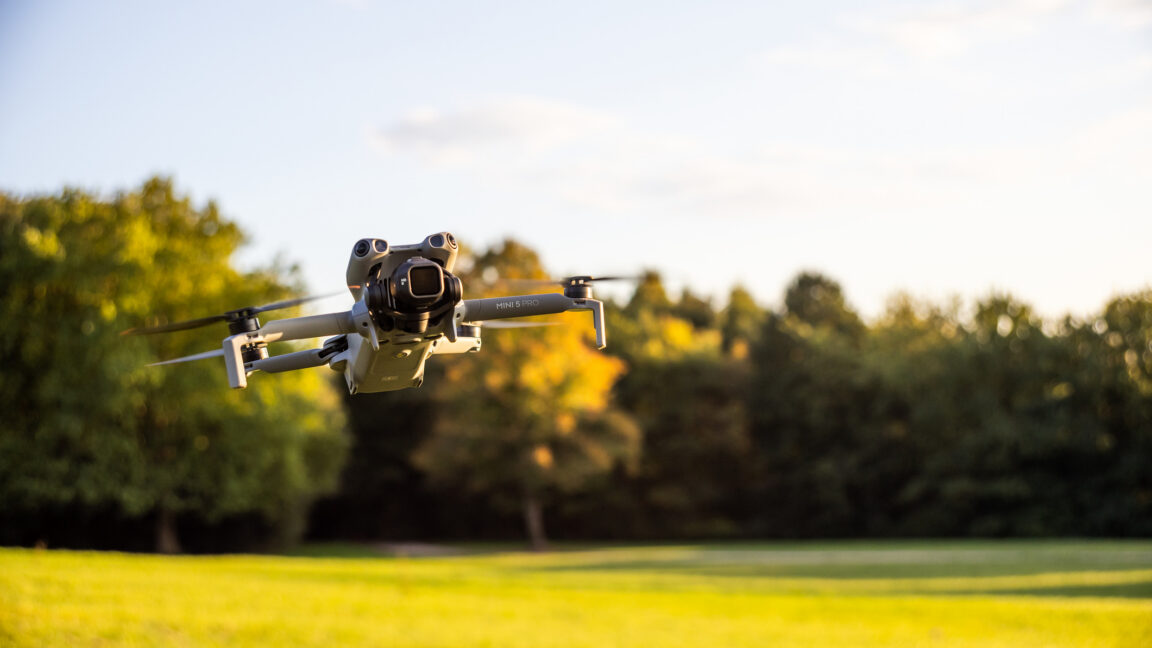
DJI Drone Ban: what you Need to Know About the US Restrictions
The US Federal Communications Commission (FCC) recently enacted a ban on drones manufactured by DJI, the world’s leading drone maker. This decision, while anticipated by many in the industry, has important implications for drone enthusiasts, professionals, and the future of the US drone market. But what led to this ban, and what does it mean for you? Let’s break down the details.
The Road to a Ban: DJI’s Attempts to Mitigate Concerns
Despite repeated efforts to proactively address US government concerns, DJI was ultimately unable to prevent the ban. According to reports from The New York Times, DJI actively sought autonomous audits of its drone technology. These requests were aimed at demonstrating the security of its devices and alleviating fears surrounding data privacy. However, the FCC proceeded wiht the ban based on pre-existing details, effectively closing the door on DJI’s attempts at compliance.
Why DJI? Dominance and Data security Fears
DJI’s position as the dominant player in the global drone market - holding approximately 70% market share in 2023 (according to Drone Industry Insights) - undoubtedly played a role in the heightened scrutiny. The company is widely recognized for producing premium, high-quality drones.
Though, the ban stems from growing concerns about data security and potential national security risks. The US government fears that DJI drones could potentially collect and transmit sensitive data to the Chinese government. While DJI maintains these concerns are unfounded and rooted in protectionism, the FCC deemed the risk significant enough to warrant a ban.
What does This Mean for You?
The implications of the DJI ban are far-reaching. Here’s a breakdown of what you can expect:
* Limited Access to New Models: You will no longer be able to purchase new DJI drone models within the US.
* Impact on the Hobbyist Community: drone hobbyists may face challenges sourcing parts for repairs and completing DIY projects. The availability of replacement components could become limited.
* Potential Price Increases: US-made drones currently have a reputation for being more expensive than their Chinese counterparts. Expect potential price increases as demand for alternatives rises.
* Performance Considerations: While US drone manufacturers are optimistic,current US-made drones are often considered to be less advanced in terms of features and performance. DaCoda Bartels, COO of FlyGuys, stated US drones are “half as good” compared to DJI.
* Commercial Drone Operations: businesses relying on DJI drones for commercial operations will need to transition to alternative solutions,potentially incurring significant costs and logistical challenges.
The Rise of US Drone Manufacturers: Opportunity or Challenge?
The ban is intended to bolster the US drone industry, creating opportunities for domestic manufacturers like Skydio. Michael Robbins, president and CEO of the Association for Uncrewed Vehicle Systems International (AUVSI), believes the ban will “unleash American drone dominance.”
The hope is that prioritizing US-made technology will foster innovation, enhance security, and reduce reliance on foreign-controlled drone technology. However, it remains to be seen whether US companies can quickly scale production and meet the demands of the market. Some analysts predict a decline in overall drone purchases as consumers adjust to higher prices and potentially lower performance.
DJI’s Response: Disappointment and Claims of Protectionism
DJI expressed its disappointment with the FCC’s decision, stating that the concerns regarding data security are “not grounded in evidence” and represent “protectionism, contrary to the principles of an open market.” The company argues that it was not provided with specific information used to justify the ban, hindering its ability to address the concerns effectively.
Looking Ahead: The Future of the US Drone Market
The DJI ban marks a pivotal moment for the US drone industry. While the long-term effects remain uncertain, it’s clear that the market is poised for significant change. Expect increased investment in US drone technology, a push for greater supply chain resilience, and a continued debate over the balance between national security and open market principles.
Evergreen Section: Understanding Drone Regulations & Best practices
Irrespective of the manufacturer, operating a drone legally and safely requires understanding the regulations in your area. Here are some key considerations:
* FAA Registration: In the US, most drones require registration with the Federal Aviation Management (FAA).
* Remote ID: The FAA’s Remote ID rule requires drones to broadcast identification and location information.
* **Airspace Restrictions





