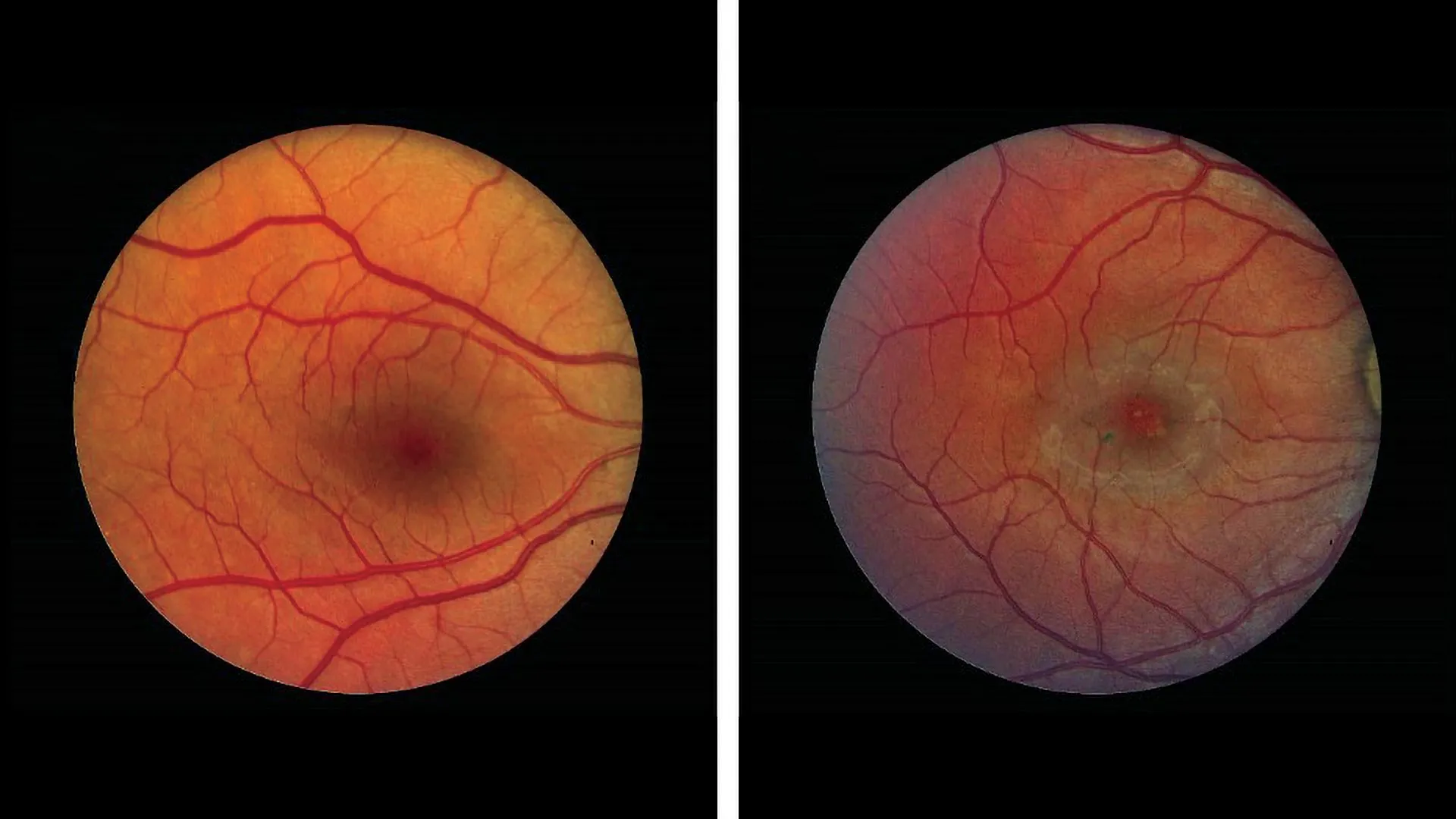
Breakthrough in MacTel Treatment: ENCELTO Offers Hope for Preserving Vision in Degenerative Retinal Disease
For decades, Macular Telangiectasia Type 2 (MacTel) has presented a important challenge to ophthalmologists, a progressive retinal disease leading to irreversible central vision loss. Now, a groundbreaking study reveals a novel therapy, ENCELTO, demonstrably slows the progression of MacTel, marking the first time a treatment has meaningfully altered the course of this debilitating condition. this represents a major leap forward in neuroprotective strategies for degenerative retinal diseases, offering renewed hope to patients facing vision impairment.
Understanding MacTel and the Need for Neuroprotection
MacTel is characterized by the abnormal dilation of capillaries in the macula, the central part of the retina responsible for sharp, detailed vision. This leads to fluid leakage, retinal thinning, and ultimately, the degeneration of photoreceptor cells – the light-sensing neurons crucial for central vision. Currently, there are limited treatment options, primarily focused on managing symptoms rather than halting disease progression. The underlying pathology points to a critical need for neuroprotection – strategies to safeguard and preserve these vulnerable retinal neurons.
ENCELTO: A Novel Cell-Based Therapy Delivering Targeted Neurotrophic Support
Developed over nearly two decades of research led by Dr. Friedlander, President of the Lowy Medical Research Institute, ENCELTO represents a paradigm shift in MacTel treatment. This innovative therapy utilizes a unique approach: the sustained, localized delivery of ciliary neurotrophic factor (CNTF). CNTF is a naturally occurring protein known to promote the survival and function of retinal neurons.
ENCELTO achieves this delivery through a sophisticated system: genetically modified retinal pigment epithelial (RPE) cells – essential for nourishing and supporting the retina – are encapsulated within a biocompatible, collagen-based capsule. This capsule is surgically implanted in the back of the eye, providing several key advantages:
immune Protection: The capsule shields the RPE cells from immune rejection, eliminating the need for immunosuppressant drugs.
Sustained Release: The capsule allows for the continuous, long-term release of CNTF directly to the affected retinal tissue.
Targeted Delivery: Localized delivery maximizes therapeutic effect while minimizing potential systemic side effects.
Clinical Trial Results: Slowing Photoreceptor Loss and Preserving Visual Function
The recent clinical trials, meticulously designed and executed, demonstrate ENCELTO’s significant impact.The study compared outcomes in patients receiving the ENCELTO implant to those undergoing a sham procedure. Key findings include:
Significant Reduction in Photoreceptor loss: ENCELTO considerably slowed the rate of photoreceptor degeneration. One trial showed a remarkable 54.8% reduction in ellipsoid zone loss – a quantifiable marker of photoreceptor cell degeneration – while the second trial demonstrated a still statistically significant 30.6% reduction.
Slowing of Visual function decline: Microperimetry, a highly sensitive test of retinal light response, revealed a statistically significant slowing of visual function loss, especially in the trial with greater photoreceptor preservation.
Promising trends in Visual Acuity: While reading speed and retinal sensitivity outcomes were more variable between trials, pooled data suggests a positive trend, warranting further inquiry.
Dr.Friedlander emphasizes the complexity of measuring functional vision loss in a slowly progressing disease like MacTel. The variability highlights the need for continued research to refine outcome measures and identify factors influencing individual responses.
Safety and efficacy Across Disease Stages
Importantly, ENCELTO was well-tolerated by participants, with minimal reported side effects. Furthermore, the therapy demonstrated efficacy regardless of baseline vision or disease stage, suggesting that earlier intervention may maximize the potential for preserving functional vision. This is a crucial finding, as early diagnosis and treatment are often key to managing progressive diseases.
Looking Ahead: Optimizing Treatment and Expanding Applications
The research team is now focused on long-term follow-up to assess the durability of ENCELTO’s benefits beyond 24 months. They are also investigating factors that contribute to varying individual responses, aiming to identify patient subgroups most likely to benefit from the therapy.
Beyond MacTel, the ENCELTO platform holds immense promise for treating a wider range of neurovascular degenerative diseases. Its ability to deliver sustained, targeted doses of therapeutic proteins directly to the retina positions it as a versatile technology applicable to other blinding conditions where protecting vulnerable nerve cells is paramount.
A New Era in Retinal Disease Treatment
The development of ENCELTO represents a pivotal moment in the fight against MacTel and other degenerative retinal diseases. By demonstrating the power of neuroprotection and pioneering a novel cell-based delivery system, this therapy offers a tangible path towards preserving vision and improving the quality of life for countless individuals.
Study Citation: *Cell-Based Ciliary Neurotrophic Factor Therapy for Macular Telangiectasia Type