
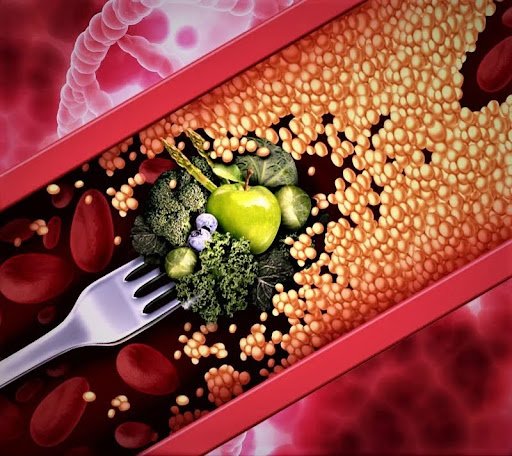
the Power of Fiber: Your Shield Against Unhealthy Eating
You don’t have to entirely deprive yourself of the foods you enjoy. Instead, you can strategically use fiber to mitigate the negative effects of less-nutritious choices. Understanding how fiber works is key to optimizing your health and well-being.
Why Fiber matters: A Deep Dive
Fiber isn’t a single substance; its a category of carbohydrates your body can’t digest. This seemingly simple fact is where its power lies.It passes through your digestive system largely intact, offering a wealth of benefits along the way.
* Slowing Digestion: Fiber slows down the rate at which your body absorbs nutrients, particularly fats and sugars.
* Promoting Satiety: it helps you feel fuller for longer, reducing the likelihood of overeating.
* Supporting Gut Health: Fiber feeds the beneficial bacteria in your gut, fostering a healthy microbiome.
* Lowering Cholesterol: Certain types of fiber can help reduce LDL (“bad”) cholesterol levels.
Fiber’s Counterattack on Junk Food
Let’s face it: everyone indulges sometimes.But when you do, fiber can act as a buffer against the downsides of saturated fat and excess calories. Hear’s how:
* Fat Absorption: Fiber binds to some dietary fat in your digestive tract,preventing its complete absorption. This means fewer calories from fat are actually utilized by your body.
* Blood Sugar Control: By slowing down sugar absorption, fiber helps prevent spikes in blood sugar and insulin levels. This is particularly important when consuming sugary treats or processed foods.
* Calorie Reduction: The increased feeling of fullness from fiber naturally leads to reduced overall calorie intake.
Sources of Fiber: Building a Fiber-Rich Diet
Incorporating more fiber into your diet doesn’t require drastic changes. Small, consistent additions can make a big difference.
* Fruits: Apples, berries, pears, and oranges are excellent sources.
* Vegetables: Broccoli, Brussels sprouts, carrots, and spinach are fiber powerhouses.
* Whole Grains: Opt for whole-wheat bread, brown rice, quinoa, and oats.
* Legumes: Beans, lentils, and chickpeas are packed with fiber and protein.
* nuts and Seeds: Chia seeds, flaxseeds, almonds, and walnuts provide a healthy dose of fiber and healthy fats.
Maximizing Fiber’s Benefits: Practical Tips
You can easily boost your fiber intake with a few simple strategies.
- Start Slowly: Gradually increase your fiber intake to avoid digestive discomfort like bloating or gas.
- Drink Plenty of Water: Fiber absorbs water,so staying hydrated is crucial for optimal digestion.
- Read food Labels: Pay attention to the fiber content per serving and choose foods with higher amounts.
- Don’t Peel Everything: The skin of many fruits and vegetables is a critically important source of fiber.
- Snack Smart: Choose fiber-rich snacks like fruits, vegetables with hummus, or a handful of nuts.
Beyond the Basics: Fiber and Long-Term Health
The benefits of a high-fiber diet extend far beyond counteracting occasional indulgences. Research suggests a strong link between fiber intake and reduced risk of chronic diseases.
* Heart Disease: Fiber helps lower cholesterol and blood pressure, reducing your risk of heart disease.
* Type 2 Diabetes: By improving blood sugar control, fiber can help prevent and manage type 2 diabetes.
* Certain Cancers: Some studies suggest that a high-fiber diet may lower the risk of colon and other cancers.
Ultimately, prioritizing fiber is a proactive step you can take to protect your health and enjoy a more balanced lifestyle. it’s about making informed choices and empowering yourself to navigate the world of food with confidence.





