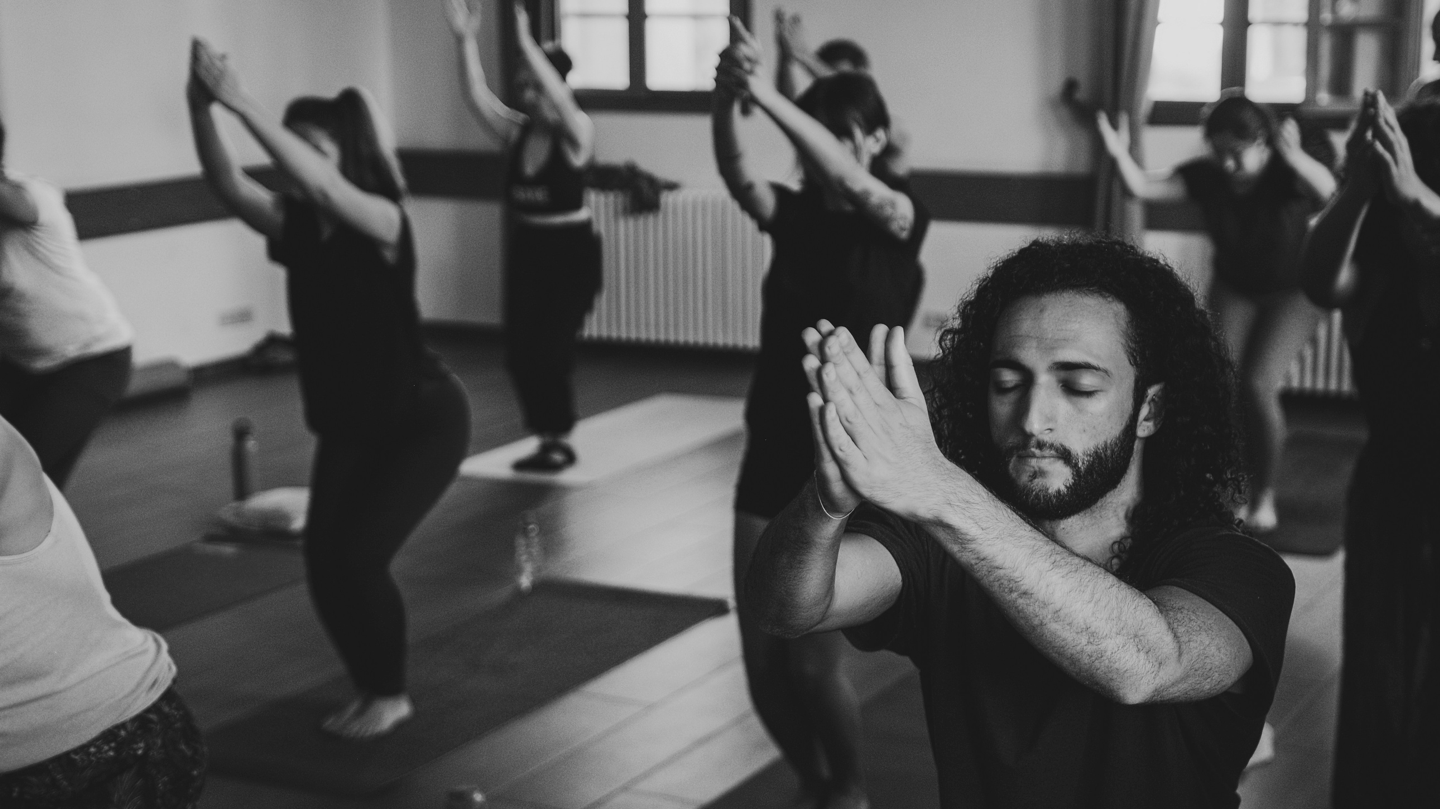
From Blueprint to Breath: Essential Lessons for New Yoga Teachers
Embarking on a journey to teach yoga is deeply rewarding, yet often vastly different from the experience of simply practicing it. Many new instructors quickly discover that meticulously planned sequences don’t always translate to a thriving classroom. This article distills key insights from experienced yoga teachers, offering guidance on cultivating authenticity, presence, and a sustainable teaching practice.
1. embrace the Unfolding: Letting Go of the Plan
The initial impulse for many new teachers is to create detailed class plans. However, seasoned instructors like Appel quickly learned that rigidity can hinder, rather than help. He recalls realizing that what he’d planned often needed adjustment based on unpredictable factors like class size and the collective energy of the students.
Sometimes, a carefully designed, energetic flow simply wouldn’t resonate if the students arrived with low energy. Appel found that truly effective teaching became more intuitive, prioritizing attunement to students over rigidly adhering to a pre-set structure. It takes time and practice to trust the unfolding of a class, but the rewards – a more connected and impactful experience for everyone – are significant. While planning can be helpful when defining your initial style, ultimately, showing up ready to respond is paramount.
2. Tune In, Not Just Plan: The Power of Presence
Today, Appel doesn’t plan his classes at all. He emphasizes the importance of a pre-class meditation and breathwork practice. This ritual helps him center his intention, release ego, and connect with the specific needs of the students present. This isn’t about abandoning preparation, but shifting the focus from what you will deliver to what your students require.
3. Remain Committed to Your Practice: The Wellspring of Authentic Teaching
Maintaining a consistent personal practice is non-negotiable for yoga teachers. It’s easy to let your own practice slip when juggling teaching commitments and life’s demands. Though, prioritizing your own time on the mat isn’t selfish – it’s essential.
A strong personal practice fuels your teaching with inspiration and provides a grounded foundation, especially when navigating challenging emotions or fatigue. Julia deltzer,a Denver-based yoga teacher,emphasizes staying connected to your own evolving practice,regardless of how busy life gets. This connection allows you to teach from a place of authenticity and relate to students on a deeper level. She finds sharing insights gleaned from her own journey – reminders of strength and worthiness,for example – resonates powerfully with her students.
4. Let Yourself Be a Beginner: The Freedom of Non-Attachment
Teaching yoga, like the practice itself, is a continuous process of learning and refinement. Authenticity blossoms when you release the need to perform or seek external validation. The first year of teaching is often best spent focusing on foundational skills.
Rather of striving for complex sequences, prioritize mastering clear cueing, attentive observation, and the art of improvisation. This creates space to discover your unique teaching voice. It takes time to define your preferences – perhaps you gravitate towards slower, restorative practices even if you enjoy dynamic vinyasa flows.Maybe you prefer intimate classes in nature to crowded studio sessions. Embrace the journey, cultivate a beginner’s mind, and allow your teaching style to organically unfold.