
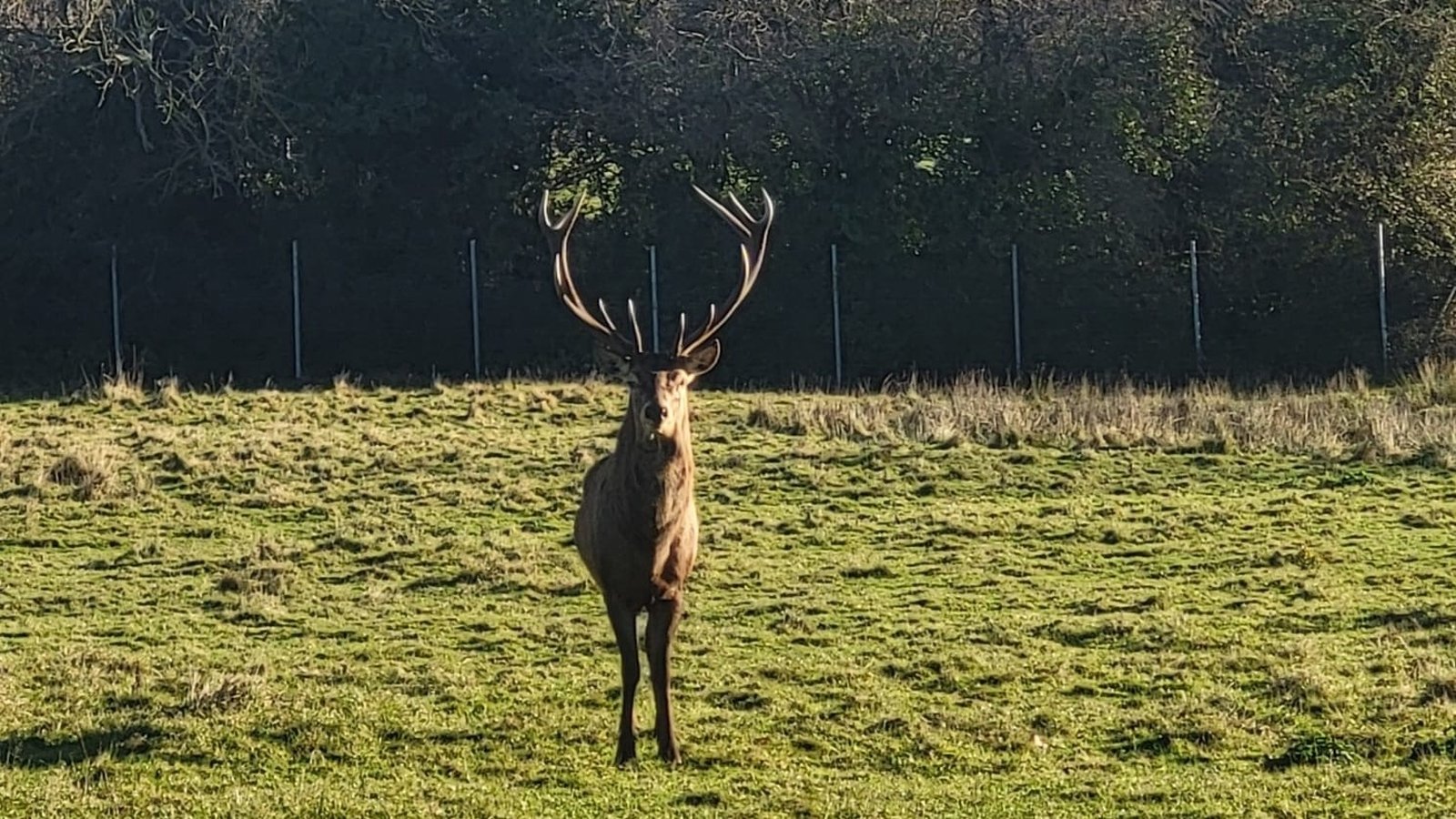
the Shocking Beheading of an Irish stag: A Deep Dive into Wildlife Crime and Conservation
The recent finding of a beheaded Irish red deer stag in Newbridge House parklands, Donabate, County Dublin, has sent ripples of outrage through Ireland and sparked a crucial conversation about wildlife crime. This isn’t simply an isolated incident; it’s a disturbing symptom of broader issues surrounding poaching, trophy hunting, and the vulnerability of Ireland’s native species. This article delves into the details of this tragic event, explores the legal ramifications, examines the motivations behind such acts, and outlines what’s being done to protect Ireland’s precious wildlife.
The Incident at Newbridge House: A Beloved Stag Lost
On November 27th, 2025, staff at Newbridge House and Traditional Farm made a horrifying discovery. The body of an eight-year-old stag, one of only two within a carefully managed herd of 16 Irish red deer, was found beheaded. The stag’s head was deliberately removed, strongly suggesting it was taken as a gruesome trophy.
this act is particularly shocking given the herd’s history. For over two decades, these deer have thrived within the fenced grounds of Newbridge House, becoming a beloved attraction for visitors and a symbol of the park’s natural beauty. Ivan Smith, Foreman of Works, described the stag as “a lovely animal… a big favourite with the public.” The incident has left staff and the local community deeply distressed.
Legal Consequences: What the Law Says About Deer Killing in Ireland
Killing a deer in Ireland without a valid license is a serious offense. The National parks and Wildlife Service (NPWS) regulates deer hunting and management through the Wildlife act 2000 and subsequent amendments. Here’s a breakdown of the key legal points:
* Licensing: A license is required for hunting deer, and these are issued under strict conditions to ensure enduring management of deer populations.
* Closed Seasons: Specific closed seasons exist for different deer species to protect them during breeding periods.
* Penalties: Illegal killing of deer can result in substantial fines, imprisonment, and confiscation of hunting equipment. The severity of the penalty depends on the specific circumstances of the offense.
* Reporting Obligations: Landowners and hunters have a legal obligation to report deer kills to the NPWS.
Gardaí (Irish police) are currently investigating the Newbridge House incident as a wildlife crime,working in conjunction with the NPWS. Bringing the perpetrators to justice is paramount, not only for this specific case but also as a deterrent to future offenses.
Understanding the Motives: Why Would Someone Do This?
While the exact motivation remains unknown, several factors could contribute to such a heinous act. These include:
* Illegal Trophy Hunting: The deliberate removal of the head strongly suggests the perpetrator intended to keep the antlers as a trophy. Demand for deer antlers, particularly from certain markets, can unfortunately fuel illegal hunting.
* Poaching: Although less likely given the park’s managed environment, poaching for venison (deer meat) cannot be entirely ruled out.
* Malicious Intent: In certain specific cases, wildlife crime is motivated by pure malice or a disregard for animal welfare.
* Perceived conflict: Conflicts between landowners and deer,often related to crop damage,can sometimes escalate into illegal killing.
Recent data from the NPWS (though specific statistics on stag beheadings are not readily available) indicates a general increase in reported wildlife crime incidents over the past five years, highlighting a growing concern. National Parks and Wildlife Service is a valuable resource for further information.
Protecting Ireland’s Deer Populations: Conservation Efforts and what You Can Do
Ireland’s deer populations are facing increasing pressures from habitat loss, climate change, and human activity. Several organizations are working to protect these grand animals:
* National Parks and Wildlife Service (NPWS): Responsible for the conservation and management of Ireland’s wildlife, including deer.
* Deer Alliance Ireland: A representative body for deer hunters and landowners, promoting sustainable deer management. Deer Alliance Ireland
* Local Conservation Groups: Numerous local groups are involved in habitat restoration and monitoring deer populations.
Here’s how you can help:
* Report Suspicious Activity: If you witness any suspicious activity related to deer poaching or illegal hunting, report it promptly to





