
Relieve Lower Back Pain: A Yoga Sequence for Anterior Pelvic Tilt
Do you experience lower back discomfort, tightness in your hips, or a pronounced curve in your lower spine? You might be dealing with anterior pelvic tilt. This common postural imbalance occurs when your pelvis tilts forward,impacting your spine and causing various aches and pains. Fortunately, yoga offers a gentle yet effective approach to restore balance and find relief.
This guide, inspired by Yoga With Kassandra, provides a sequence of exercises designed to address anterior pelvic tilt, improve your posture, and enhance your overall well-being.Let’s explore how you can reclaim a more cozy and aligned body.
Understanding Anterior Pelvic Tilt
Anterior pelvic tilt isn’t a condition to fear, but rather a signal from your body. It often develops from prolonged sitting, weak core muscles, or tight hip flexors. Recognizing the signs is the first step toward correction.
Here are some common symptoms:
* An exaggerated curve in your lower back.
* A protruding abdomen.
* Tightness in your hip flexors.
* Lower back pain, especially after sitting for extended periods.
The Yoga Sequence: A step-by-Step Guide
This sequence focuses on lengthening the spine,strengthening the core,and releasing tension in the hips. Remember to listen to your body and modify poses as needed.
1. Pelvic Tilts
Lie on your back with your knees bent and feet flat on the floor.Gently press your lower back into the mat, engaging your abdominal muscles. Then, release the pressure, creating a small arch in your lower back.
* Repeat this movement 10-15 times, coordinating with your breath.
* Focus on controlled movements, rather than large, forceful ones.
2. Knee to Chest
Bring one knee towards your chest, gently clasping your hands around your shin. Gently pull your knee closer, feeling a stretch in your lower back and hips.
* hold for 30 seconds, then switch legs.
* Repeat 2-3 times on each side.
3.Supine Knee Twist
lie on your back with your knees bent. Drop both knees to the left side, keeping your shoulders flat on the mat.
* Pause for a few breaths, then return to center and repeat on the right side.
* Perform 3-5 repetitions on each side.
4. Cat-Cow Pose
Start on your hands and knees, with your wrists aligned under your shoulders and your knees under your hips. As you inhale, drop your belly towards the floor, arching your back (Cow Pose). As you exhale, round your spine towards the ceiling, tucking your chin to your chest (Cat Pose).
* Continue flowing between these two poses for 10-15 breaths.
* Focus on moving your spine, rather than just your hands and knees.
5. Child’s Pose
From your hands and knees, sit back on your heels and extend your arms forward. Rest your forehead on the mat, allowing your spine to lengthen.
* Hold for 30-60 seconds, breathing deeply.
* This pose offers a gentle stretch for your lower back and hips.
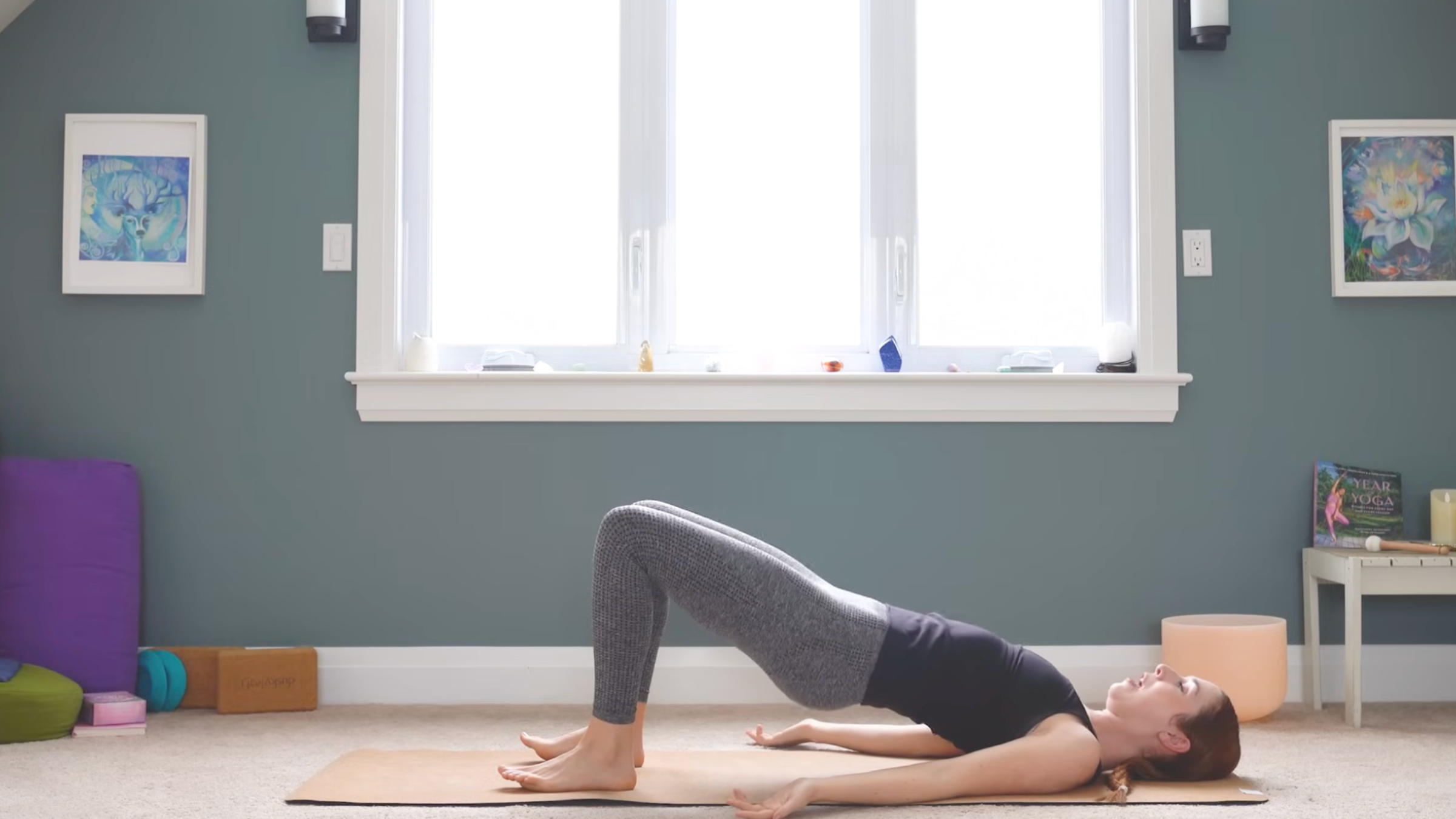
6. Bridge pose
Lie on your back with your knees bent and feet flat on the floor. Press your feet into the mat and lift your hips off the floor, engaging your glutes and core.
* Hold for 30 seconds, then slowly lower your hips back down.
* repeat 3-5 times.
7.Reclined Butterfly Pose (Supta Baddha Konasana)
Lie on your back with the soles of your feet together and your knees falling open to the sides. Allow your hips to relax and your lower back to gently press into the mat.
* Hold for 60 seconds, breathing deeply.
* This pose opens the hips and releases tension in the groin.
8. Constructive Rest
Lie on your back with your knees bent and feet flat on the mat, wider than hip-width apart. Allow your knees to fall open naturally, creating space in your lower back



![Back-to-School Diagnostics: Improve Student Learning with Data [Podcast]](https://i0.wp.com/kevinmd.com/wp-content/uploads/Design-3-1-scaled.jpg?resize=330%2C220&ssl=1 "Back-to-School Diagnostics: Improve Student Learning with Data [Podcast]")


