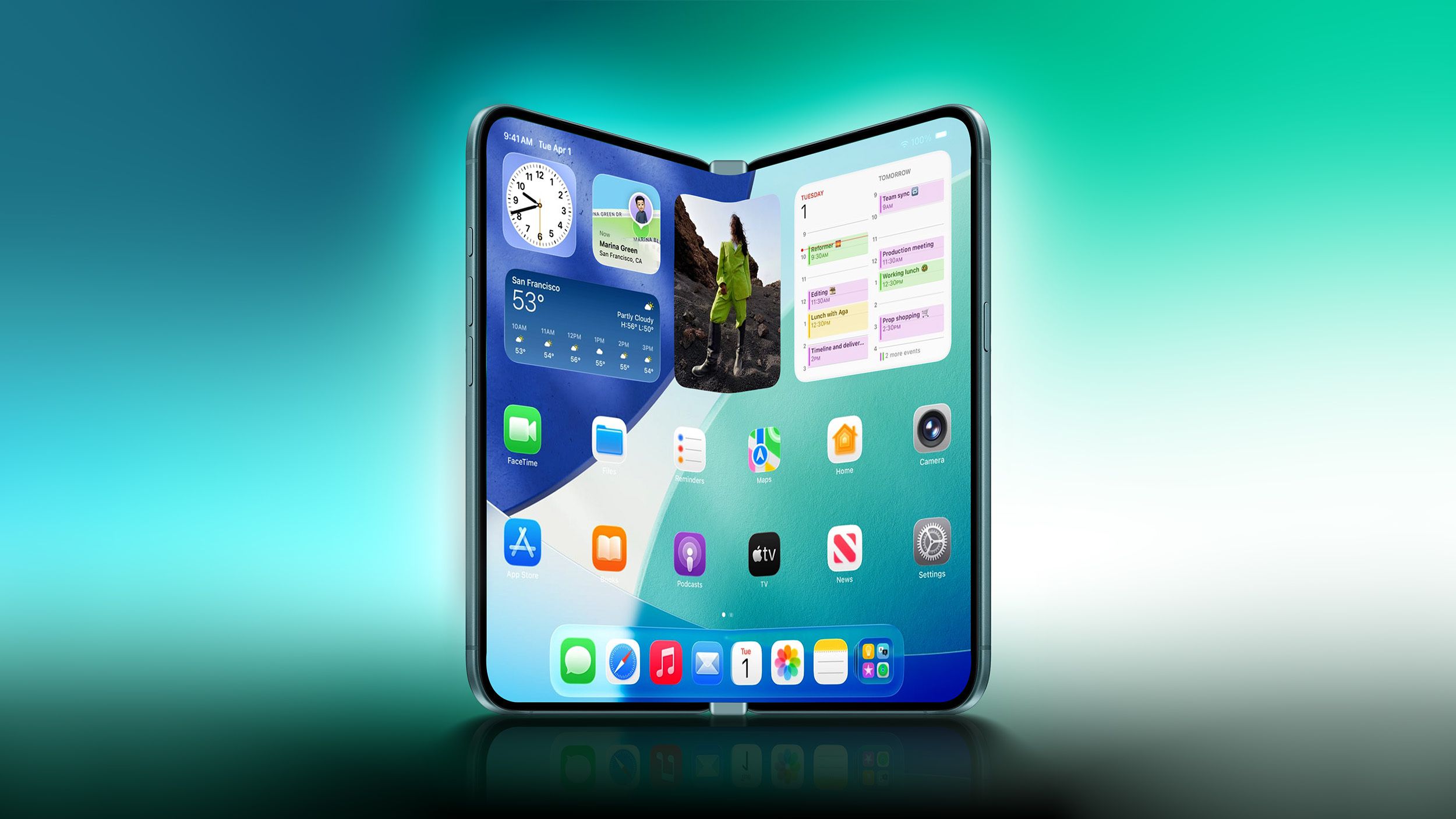
AppleS Foldable iPhone: A Deep Dive into the iPhone Fold – What We Know So Far
for years, the tech world has anticipated Apple’s entry into the foldable smartphone market. Recent developments strongly suggest that anticipation is nearing its end. Apple is actively stockpiling components, signaling a significant step towards launching its first foldable device, tentatively dubbed the “iPhone Fold,” alongside the iPhone 18 lineup in september 2026. This isn’t just about joining a trend; it’s about Apple redefining a category.
This article provides a comprehensive overview of everything we know about the iPhone Fold, drawing from reliable sources within Apple’s supply chain and expert analysis. We’ll explore the design, display technology, materials, and potential challenges Apple is addressing to deliver a truly premium foldable experience.
Why a Foldable iPhone Now?
Apple has historically been cautious about adopting new technologies until they are mature and can be seamlessly integrated into a polished user experience. The foldable market, pioneered by Samsung, has seen significant advancements in recent years. Now, with display technology improving and hinge mechanisms becoming more reliable, the timing is right for Apple to enter the fray.
This strategic move allows Apple to leverage its brand loyalty and ecosystem to potentially disrupt the foldable market, offering a refined alternative to existing options.
Design and Form Factor: A Book-Style Approach
Unlike the clamshell design of the Samsung Galaxy Z Flip,apple’s iPhone Fold is expected to adopt a “book-style” form factor,mirroring the Samsung Galaxy Z Fold series. This design offers a more tablet-like experience when unfolded.
Here’s a breakdown of the anticipated design:
* Outer Display: A 5.5-inch display, similar in size to a standard iPhone, for everyday use.This allows for full functionality without needing to unfold the device.
* Inner Display: A larger 7.8-inch display, unfolding to provide an iPad-mini-esque experience, ideal for multitasking, content creation, and immersive media consumption.
* Hinge Mechanism: A complex hinge assembly utilizing multiple materials for durability and a smooth folding action.
* Authentication: Touch ID integrated into the side button,potentially replacing Face ID for enhanced security and usability in a foldable form factor.
* Cameras: A dual-lens rear camera system and a punch-hole front camera on the outer display. An under-display camera is rumored for the inner screen,maximizing screen real estate.
Material Innovation: Titanium, Aluminum, and Liquidmetal
Apple is renowned for its meticulous material selection, and the iPhone Fold is no exception. The device is expected to utilize a combination of premium materials to achieve both durability and a remarkably thin profile – potentially as slim as 4.5mm when unfolded.
* Titanium & Aluminum Frame: A blend of titanium and aluminum is anticipated for the frame, providing a lightweight yet robust structure. Titanium’s strength helps prevent bending, a crucial consideration for a foldable device.
* Liquidmetal Hinges: Apple is reportedly incorporating Liquidmetal - an amorphous alloy known for its extraordinary strength and elasticity – into key hinge components.This will contribute to the hinge’s longevity and smooth operation.
* Advanced OLED Display: A virtually crease-free foldable OLED display is a top priority. Apple is investing heavily in display technology to minimize the visible crease that plagues many current foldable devices.
Addressing the Challenges of foldable Technology
Creating a foldable iPhone isn’t simply about bending a screen. It presents significant engineering and logistical challenges. apple is proactively addressing these hurdles:
* Display Durability: Foldable displays are inherently more susceptible to damage. Apple is focusing on advanced materials and protective layers to enhance durability.
* Hinge Reliability: The hinge is the most mechanically stressed component. Liquidmetal and rigorous testing are crucial for ensuring long-term reliability.
* component Sourcing: Securing a consistent supply of advanced components, like foldable OLED displays and specialized hinge parts, requires careful planning and strong supplier relationships. Apple’s current stockpiling efforts demonstrate this proactive approach.
* Software Optimization: Adapting iOS for a foldable form factor requires significant software engineering. Apple needs to ensure a seamless and intuitive user experience across both displays.
What Does This Mean for Consumers?
The arrival of the iPhone Fold will likely accelerate the adoption of foldable technology.Apple’s entry will bring increased competition, driving innovation and potentially lowering prices.
However, expect a premium price tag