
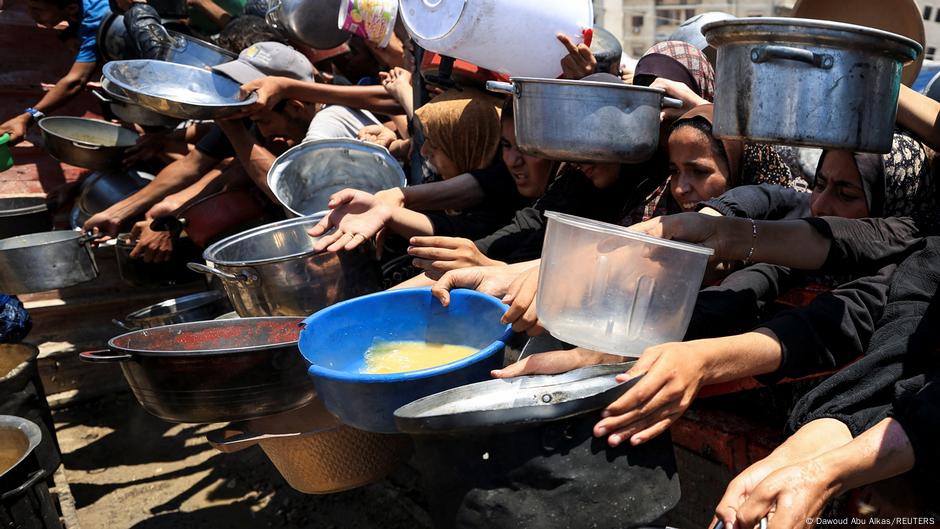
The Global Food Crisis: Understanding Hunger, Insecurity, adn Inequality
The world faces a growing challenge in ensuring everyone has access too sufficient, nutritious food. While progress has been made in some regions, important disparities persist, leaving millions vulnerable to hunger and food insecurity. This article breaks down the current state of global food security, exploring the key factors driving the crisis and highlighting the regions and populations most at risk.
1. The State of Global Hunger
Currently, a concerning number of people worldwide are undernourished. Specifically, around 735 million individuals struggle to get enough calories to live a healthy life. This represents a rise in recent years, reversing decades of progress.
However, the picture isn’t uniform across the globe. Latin America and Asia have demonstrated notable improvements in combating hunger over the last 25 years. Conversely, Africa continues to grapple with high levels of undernourishment.Europe and North America consistently maintain undernourishment levels below 2.5% – a stark contrast to othre regions.
2. Undernourishment vs. Food Insecurity: WhatS the Difference?
It’s crucial to understand the distinction between undernourishment and food insecurity.Undernourishment refers to a caloric deficiency, while food insecurity is a broader concept. It encompasses the quality, quantity, and variety of food available to you.
Here’s a breakdown:
Food Insecurity: Over 2.3 billion people experience moderate to severe food insecurity. This means they may face uncertainty about obtaining enough food, or lack access to a consistently nutritious diet.
Severe Food Insecurity: In the most extreme cases, individuals may go days without eating.
Regional Disparities: Asia is home to the largest number of food-insecure people (1.1 billion). However, Africa has the highest prevalence of food insecurity, affecting 57.9% of its population. Even Europe and North America aren’t immune, with 8.4% of the population experiencing moderate to severe food insecurity.
3. The Disproportionate Impact on Women
Globally, women are more vulnerable to food insecurity than men. This isn’t accidental.Gender norms and systemic inequalities often limit women’s access to essential resources.
Consider these factors:
Lower Earnings: Women often earn less than men, making it harder to afford food, especially as global food prices rise. Uneven Distribution: The gender gap in food insecurity is particularly pronounced in Latin America and the Caribbean,reaching approximately 6 percentage points. In other regions, the gap ranges from 1 to 2 percentage points.
4.Affordability: A Major Barrier to Healthy Eating
The inability to afford nutritious food is a primary driver of food insecurity. According to the Food and Agriculture Organization (FAO),31.9% of the world’s population cannot afford a healthy diet.This means they lack the financial means to access a diverse and balanced diet.
The situation varies dramatically by country:
Extreme Cases: In African nations like South Sudan and Madagascar, over 90% of the population cannot afford a healthy diet.
Developed Nations: In contrast, countries like Germany see only around 2% of the population facing this challenge.
Addressing food affordability requires systemic changes to income inequality and food pricing. You deserve access to nutritious food, regardless of your economic status.
5. Looking Ahead: Addressing the Root Causes
The global food crisis is a complex issue with no easy solutions. However, understanding the underlying factors - including poverty, inequality, conflict, and climate change – is the first step toward creating lasting change.
Here are some key areas for focus:
Empowering Women: Investing in women’s economic empowerment is crucial for improving food security.
Strengthening Social Safety Nets: Providing targeted assistance to vulnerable populations can definitely help ensure access to food. Promoting Sustainable Agriculture: Supporting climate-resilient farming practices can enhance food production and reduce environmental impact.* Addressing Conflict: Resolving conflicts and promoting peace are essential for creating stable food systems.Ultimately, ensuring global food security requires a collaborative effort from governments, organizations, and individuals.By





