
The Mounting Physical Toll of Professional Football: A Growing Concern
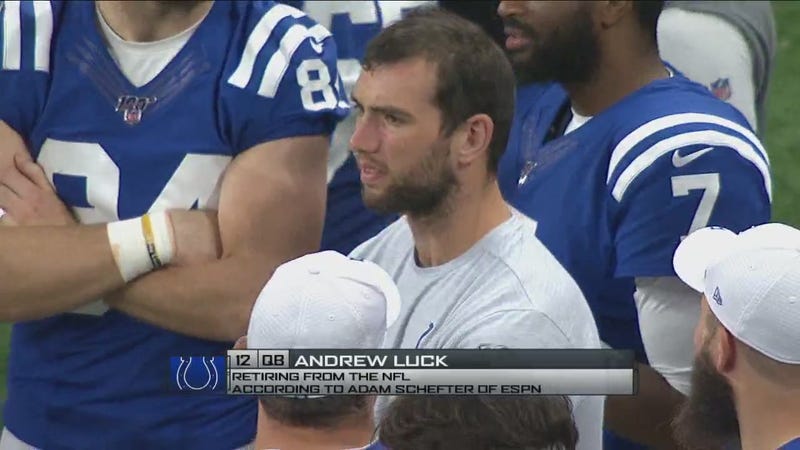
The recent retirement of Andrew Luck, punctuated by disheartening boos from fans, has sparked a crucial conversation about the long-term health risks inherent in professional football. Luck’s decision, following a well-documented history of injuries, wasn’t simply about leaving a game; it was about prioritizing well-being. Considering his Stanford education and financial security, his choice reflects a growing awareness among athletes about the true cost of the sport.
Football demands amazing physical sacrifice, with players routinely putting their bodies on the line. Though, at some point, you must recognize that your health is paramount, even above your career.The reaction to Luck’s departure highlighted a disconnect between fan expectations and the brutal realities faced by players.
A Short Career Span for Many
The physical demands aren’t limited to quarterbacks. Running backs, in particular, face an exceptionally short career lifespan, averaging just three years in the NFL. They endure constant, high-impact collisions with defenders weighing between 200 and 350 pounds each game. These repeated hits often lead to debilitating injuries, diminishing strength and speed – the very attributes essential for success.
Even seemingly durable players like tight end Rob Gronkowski have battled meaningful injuries. Gronkowski revealed he required a liter of blood drained from his quad following a hit during the Super bowl. Despite these challenges, many NFL players achieve remarkable success, but at a considerable physical price.
Rising Concerns and a Declining Future?
Several alarming trends are emerging that raise serious questions about the future of football. Concussion rates are increasing, and Chronic traumatic Encephalopathy (CTE) has been definitively linked to the sport. Moreover, youth participation in tackle football is steadily declining.
These factors collectively paint a concerning picture for the long-term viability of one of America’s most popular sports. You might be wondering what this means for the future. Here’s a breakdown of the key issues:
Increased Concussion Awareness: Growing understanding of the long-term effects of concussions is prompting players and parents to reconsider participation.
CTE Research: The discovery of CTE, a degenerative brain disease linked to repetitive head trauma, has fueled concerns about the sport’s safety.
* Youth Participation Decline: Fewer young athletes are taking up tackle football, perhaps impacting the talent pool and the sport’s overall popularity.
[Image of declining youth football participation]
The future of football hinges on addressing these challenges head-on. Prioritizing player safety, investing in research, and adapting the game to minimize risk are crucial steps. Ultimately, ensuring the well-being of athletes must take precedence over entertainment and tradition.
it’s a complex issue with no easy answers, but a frank and honest conversation is essential to preserving the integrity and future of the game you love.





