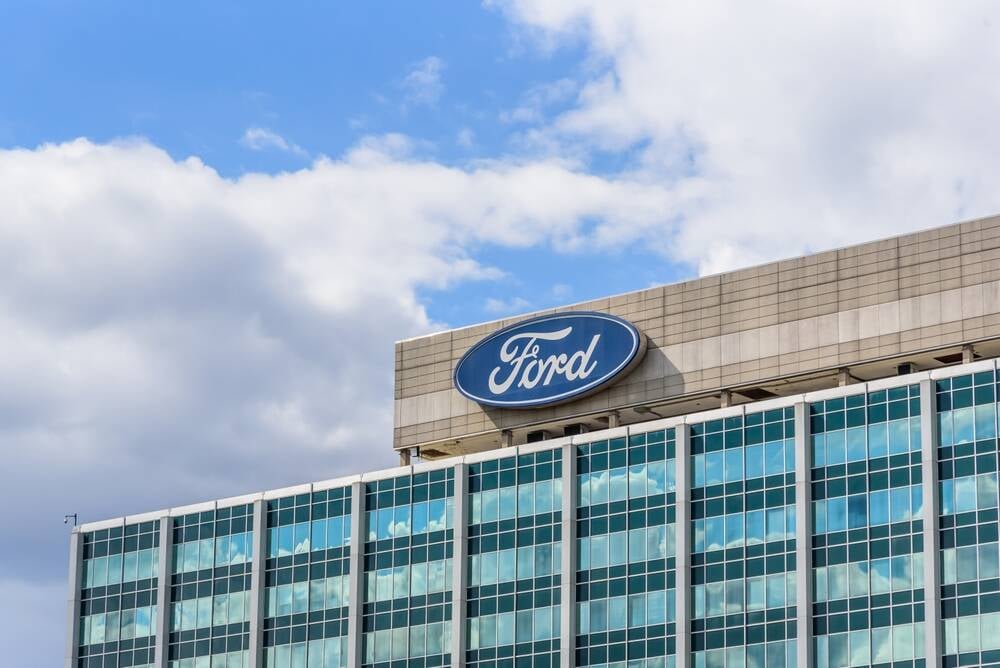
Ford HQ Hack & Teh Return-to-Office Push: What’s Really Going On?
A curious incident has unfolded at Ford’s soon-to-open Dearborn headquarters: someone managed to hijack the digital displays in meeting rooms, flashing anti-return-to-office messages. It’s a bold move, and one that points to a level of technical skill beyond the average office worker. I’ve found that these kinds of targeted hacks almost always originate with someone possessing a solid understanding of network infrastructure – likely within the IT department itself.
This disruption comes as Ford prepares to officially open its 2.1-million-square-foot facility next month.management is clearly eager to fill those spaces, a sentiment echoed by many companies currently navigating the complexities of post-pandemic work arrangements. However, this push isn’t sitting well with everyone.
The Unhappy Return
The core of the discontent centers around Ford’s implementation of a non-assigned seating policy. Here’s what’s fueling the frustration:
* The “Hunger Games” for Desks: Employees are facing a daily scramble to find available workspace. This creates unnecessary stress and undermines productivity.
* Collaboration Concerns: The lack of designated team areas makes it difficult to collaborate effectively, despite stated goals to the contrary.
* Attrition Accusations: Some believe the policy is a deliberate tactic to encourage voluntary resignations, avoiding the costs associated with layoffs.
One employee voiced their concerns online, describing the situation as a frustrating competition for a place to work. It’s a sentiment resonating with many who feel undervalued and unheard.
A Wider Trend: The return-to-Office Mandate
ford isn’t alone in this. Across the tech industry and beyond, companies are increasingly insistent on bringing employees back to the office.Here’s what you need to understand:
* Shifting Priorities: Many organizations believe in-person interaction fosters innovation and strengthens company culture.
* Performance Concerns: Some leaders express concerns about productivity levels in fully remote or hybrid environments.
* The Ultimatum: A growing number of companies are giving employees a clear choice: return to the office, or seek employment elsewhere.
Microsoft, among others, has publicly denied any intention of using return-to-office policies as a means of reducing headcount. However, the perception persists, and the resulting employee dissatisfaction is palpable.
What Does This Mean for You?
If you’re facing a similar situation, remember you have options. Here’s what works best for navigating this challenging landscape:
- Open Communication: Discuss your concerns with your manager and HR department.
- Explore Alternatives: Investigate flexible work arrangements or remote work opportunities within your company.
- Assess Your Priorities: Determine what’s most crucial to you - work-life balance, career advancement, or company culture – and make informed decisions accordingly.
Ultimately, the Ford hack serves as a stark reminder that the return-to-office debate is far from settled. It highlights the importance of empathy, open communication, and a willingness to adapt to the evolving needs of the modern workforce. Ignoring these factors could lead to further disruptions and a decline in employee morale.