
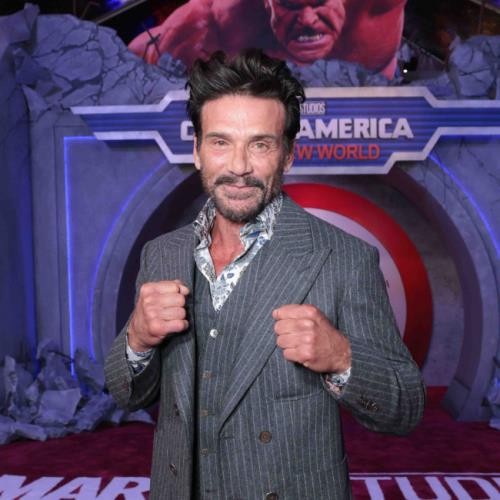
The landscape of Marvel Cinematic Universe (MCU) projects is undergoing scrutiny, as actors share their experiences with the studio’s evolving creative process. Concerns range from a perceived lack of long-term planning to the emotional fallout from projects that don’t meet expectations. This shift is prompting reflection on the balance between artistic freedom and the demands of a massive franchise.
Navigating Creative Control in the MCU
Joe Grillo, known for his role in the MCU, recently voiced his concerns about the studio’s approach to storytelling. He suggests that Marvel’s initial success was built on a more improvisational style. “And there’s nothing wrong with it, but [Marvel] was a little fly by the seat of your pants,”
he stated.
Grillo’s primary concern stems from a lack of clarity regarding his character’s future within the expansive universe. For him, the uncertainty is unsettling. “For me, it’s a little scary to do it that way,”
he explained. This sentiment highlights a growing desire among actors for more defined arcs and a clearer understanding of their roles within the larger narrative.
this approach differs substantially from more traditional filmmaking models, where actors often have a comprehensive understanding of their character’s journey. It’s a dynamic that requires a different kind of trust and adaptability. But how much ambiguity is too much for those invested in bringing these stories to life?
As of September 2024, the MCU consists of 33 films and 11 television series, creating a complex web of interconnected storylines. Maintaining consistency and long-term vision across such a vast portfolio is a significant challenge.
The Impact of Critical Reception: kumail Nanjiani’s Experience
The pressure of performing within the MCU isn’t solely about creative control; it also extends to the reception of the projects themselves. Kumail Nanjiani, who portrayed kingo in Eternals, recently shared his experience with the emotional toll of a film that underperformed critically and commercially.
Nanjiani initially anticipated a substantial role for Kingo, even signing on for six potential movies, a video game appearance, and a theme park ride. However, following the lukewarm reception of Eternals, those plans were abandoned. He revealed on the Working It Out podcast that the disappointment led him to seek therapy.
“I talked about how I was in this big movie… But then it came out and it got really bad reviews and it didn’t do that well. It shattered me too much. That’s when I was like, ‘Oh I need to go to therapy to figure this out.'”
He described feeling blindsided by the negative response, especially after a year and a half of anticipation during the COVID-19 pandemic. The initial expectation was a decade-long commitment to the MCU, with Marvel films interspersed with other projects.This expectation,he explained,quickly dissolved.
Nanjiani also discussed the difficulty of separating personal investment from critical assessment.He acknowledged the film’s shortcomings but also felt the criticism was disproportionate. “I knew it wasn’t me. I think that there were a lot of things that went into it. I love that movie and I’m very proud of that movie,”
he stated in an interview with Michael Rosenbaum’s Inside of You podcast.
The experience highlighted the vulnerability actors face when their work is subjected to intense public scrutiny. It also underscored the importance of having a support system to navigate the emotional challenges of a high-profile role. What strategies can actors employ to protect their mental health in the face of public criticism?
Actors and creatives in high-pressure environments should prioritize mental health. Establishing boundaries,seeking therapy,and cultivating a strong support network are crucial for navigating the challenges of the entertainment industry.
The Role of Embargoes and Public perception
Nanjiani pointed out that Marvel’s decision to lift the review embargo early and launch a global promotional tour before the reviews surfaced amplified the impact of the negative feedback. This strategy, intended to build excitement, backfired when critics delivered unfavorable assessments.
He believes external factors contributed to the film’s reception, suggesting the atmosphere surrounding its release was “weird soup”
that unfairly influenced the critical response. This raises questions about the influence of timing,external pressures,and pre-release hype on a film’s success.
Ultimately, Nanjiani’s experience serves as a cautionary tale about the unpredictable nature of the entertainment industry and the importance of managing expectations. It also emphasizes the need for studios to be mindful of the emotional well-being of their talent.
The Future of MCU Storytelling
These accounts from Grillo and Nanjiani offer a glimpse behind the curtain of the MCU, revealing the complexities and challenges faced by those involved. As the franchise continues to expand, it will be crucial for Marvel to strike a balance between maintaining creative control and fostering a collaborative surroundings where actors feel valued and empowered.The success of the MCU hinges not only on compelling stories but also on the well-being of the individuals who bring those stories to life.
The evolving dynamics within the MCU reflect a broader trend in the entertainment industry: a growing demand for transparency, creative agency, and mental health support. As audiences become more discerning and actors more vocal,studios will need to adapt to meet these changing expectations. The future of blockbuster filmmaking may depend on it.
Marvel Cinematic Universe is a constantly evolving entity, and understanding the challenges faced by those within it provides valuable insight into the future of the franchise. The need for clear communication, realistic expectations, and a supportive environment is paramount for continued success.
Evergreen Insights: The Actor’s Role in Franchise Filmmaking
I’ve found that navigating a large franchise like the MCU requires a unique skillset. It’s not simply about delivering lines; it’s about embodying a character within a pre-established framework and trusting the vision of the larger narrative. Here’s what works best for actors in these situations: embracing flexibility, maintaining open communication with the creative team, and prioritizing self-care to manage the pressures of public scrutiny. The key is to find a way to contribute meaningfully while accepting that the ultimate control rests with the studio.
Frequently Asked Questions About the MCU and Actor Experiences
- what is the biggest challenge for actors joining the Marvel cinematic Universe? The primary challenge is often a lack of complete creative control and uncertainty about long-term character arcs.
- How does critical reception impact actors involved in MCU films? Negative reviews can be emotionally challenging, especially when actors have invested significant time and effort into a project.
- What steps can actors take to protect their mental health while working on large franchises? Prioritizing self-care, establishing boundaries, and seeking therapy are crucial for managing the pressures of high-profile roles.
- Is Marvel known for its long-term planning in the MCU? While Marvel has demonstrated remarkable long-term vision, recent experiences suggest a degree of improvisation and adaptability.
- How important is communication between actors and Marvel studios? Open and honest communication is essential for fostering trust and ensuring actors feel valued and informed.
- What are the potential benefits of joining the MCU for an actor’s career? the MCU can provide significant exposure and opportunities, but it also comes with the risk of being typecast or overshadowed by the franchise.
- How has the MCU’s approach to storytelling evolved over time? Initially, the MCU was characterized by a more improvisational style, but it has become increasingly structured and planned as the universe has expanded.
What are your thoughts on the balance between creative control and franchise demands? Share your opinions in the comments below!


