
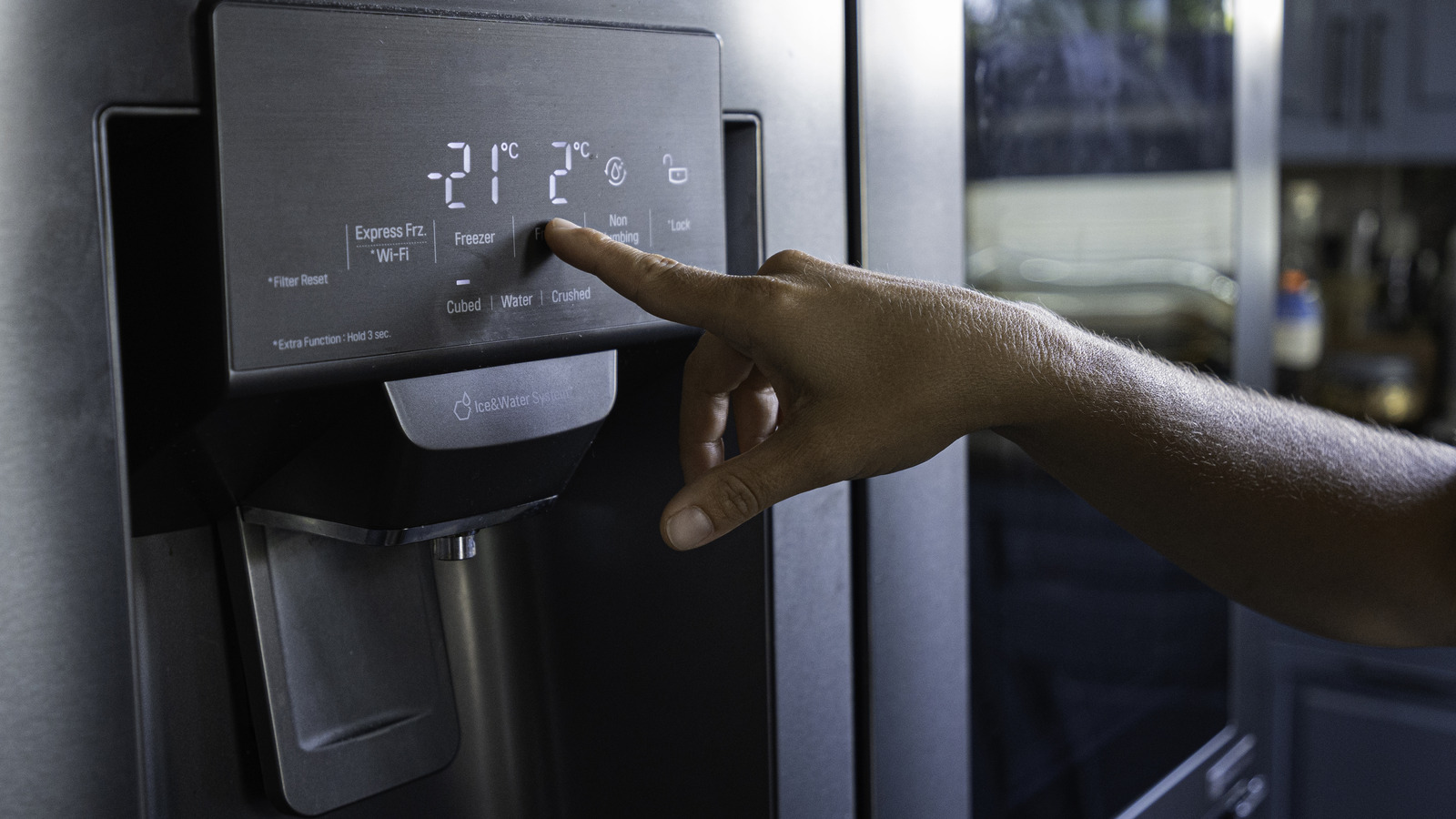
Your Refrigerator is Now a legal Minefield: The Rise of Filter Lockdowns
You likely don’t think much about your refrigerator’s water filter. It’s a simple component, right? Increasingly, however, it’s becoming a battleground in a larger fight over who controls what you can buy and how you use the products you own. this isn’t about better water; it’s about manufacturers locking you into their ecosystem, and it has potentially serious legal ramifications.
The Problem: TPM and RFID Chips
Recently, appliance manufacturers have begun embedding Trusted Platform Modules (TPMs) into refrigerators. think of a TPM as a digital security guard.These modules communicate with Radio-Frequency Identification (RFID) chips built into official, branded water filters.
Here’s how it effectively works:
* The Official Filter: A genuine filter, like the GE XWFE, contains an RFID chip.
* The “Key” Exchange: When you install it, the fridge recognizes the chip, verifying its authenticity.
* the Lockdown: If you try to use a cheaper, generic filter - which ofen lacks the chip – the fridge simply won’t work. It will display an error message and refuse to dispense water.
Essentially, you’re being forced to buy a specific product to maintain functionality of somthing you already own. While official filters can cost around $50, compatible generic options are available for as little as $20 for a three-pack.
The Legal Gray Area: DMCA and Your Rights
This practice isn’t just frustrating; it’s potentially illegal. The Digital Millennium Copyright Act (DMCA) of 1998,originally intended to protect copyrighted entertainment like music and movies,contains a section (1201) that prohibits circumventing electronic rights management.
Manufacturers are cleverly arguing that TPM is a form of rights management, protecting their products from “manipulation.” Therefore, attempting to bypass the system – even to use a perfectly functional, cheaper filter – could be considered a violation of copyright law.
The penalties are staggering:
* First Offence: Up to a $500,000 fine or five years in prison.
* Second Offense: Up to a $1 million fine and ten years in prison.
While no one has been arrested yet for simply changing a refrigerator filter, the legal risk is real and concerning.
What Can You Do?
You have several options, but the landscape is shifting.
* Research Before You Buy: Fortunately, you can still purchase refrigerators without these “smart” features. Look for models that don’t rely on proprietary filters.
* Consider Alternatives: Explore options for bypassing the TPM, but be aware of the potential legal risks. (We are not providing instructions on how to do this.)
* Demand Change: Contact your elected officials and advocate for consumer rights. Let them know you oppose manufacturers locking you into expensive, proprietary systems.
* Support Right to Repair: Advocate for legislation that guarantees your right to repair your own products, including appliances.
The Future of Appliance Ownership
This isn’t just about refrigerator filters. It’s a symptom of a broader trend toward manufacturers exerting more control over the products you buy. As technology advances, finding a truly “conventional” appliance may become increasingly difficult.
You deserve the freedom to choose how you maintain your own property. It’s time to push back against these restrictive practices and demand a future where ownership truly means ownership. Don’t let your fridge hold your wallet hostage.





