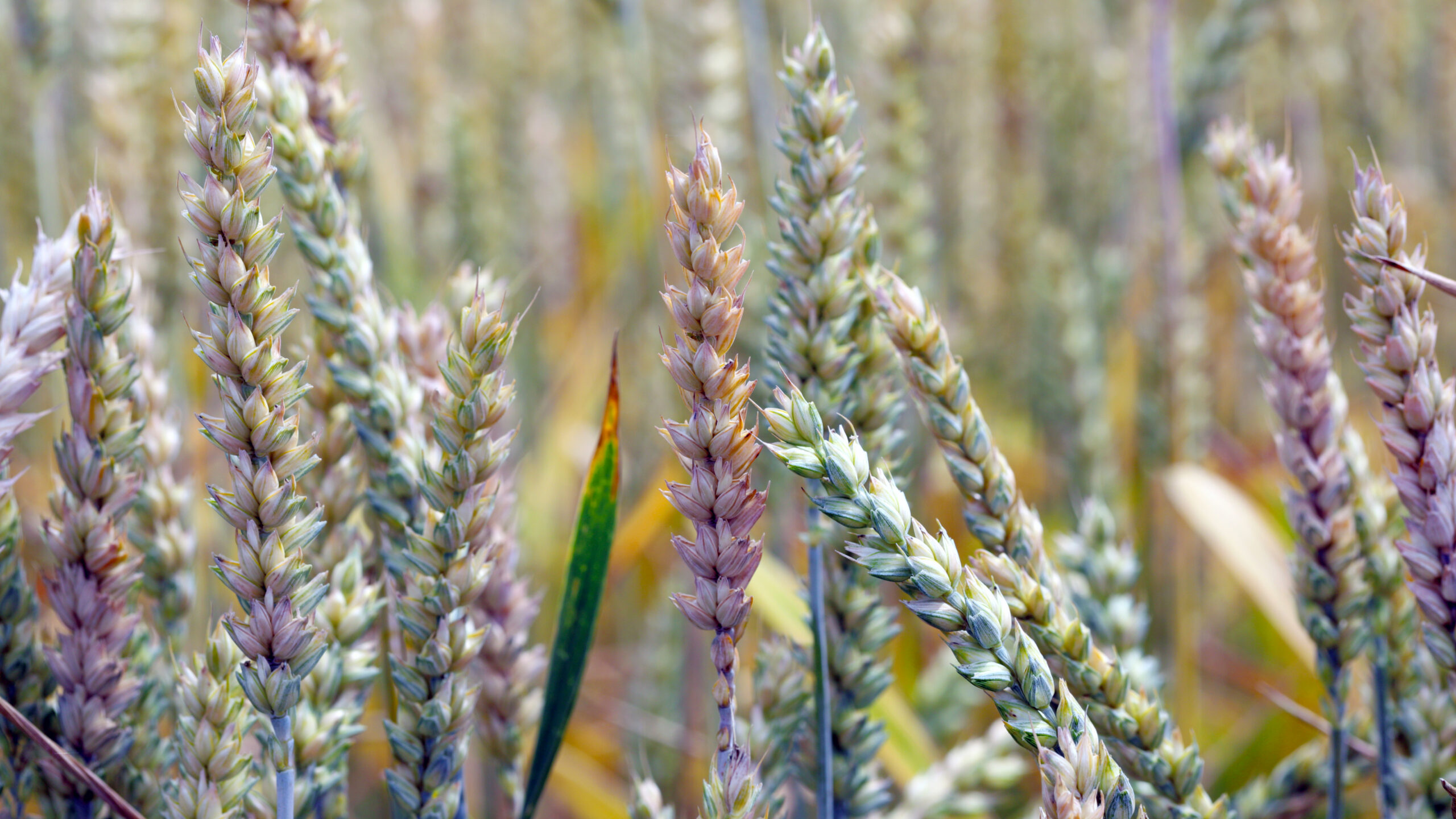
Understanding and Managing Fusarium Head Blight in Wheat
Fusarium Head Blight (FHB),also known as scab,is a significant threat to wheat and barley production across the US and Canada. This disease not only reduces crop yields but also introduces harmful mycotoxins into the grain. As a plant pathologist, I want to provide you with a comprehensive understanding of FHB, how it spreads, and what you can do to protect your crops.
What is Fusarium Graminearum?
the culprit behind FHB is a fungus called Fusarium graminearum. It’s a resilient organism that survives harsh conditions by residing on leftover plant debris - barley, wheat, and corn residue – after harvest. This fungus then reproduces, creating microscopic spores that are easily carried by wind currents, allowing it to spread over vast distances each growing season.
When and Where is FHB a Problem?
FHB is particularly problematic during the spring in the southern US. As the season progresses, the risk moves northward, following the maturation of grain crops. Throughout the summer, continued wet and humid weather creates ideal conditions for the fungus to thrive.
Here’s a breakdown of the seasonal progression:
* Spring: Southern US – initial outbreaks.
* Summer: Risk progresses north into the Midwest and Canada.
* Throughout: Conducive weather (moisture & humidity) fuels spread.
Recognizing the Threat & Protecting Your Yield
You can proactively manage FHB and minimize its impact on your harvest. Here’s how:
* Fungicide Application: Applying a fungicide to developing wheat heads when they are most vulnerable is a key step. fungicides can reduce the severity of scab, improve grain weight, and lower mycotoxin contamination.
* Resistant Varieties: Planting barley or wheat varieties bred for scab resistance is a crucial preventative measure.
* Crop Rotation: Rotating your crops disrupts the fungus’s life cycle, reducing its ability to survive and spread.
* Tillage: tilling the soil after harvest buries plant residue, limiting the overwintering sites for fusarium graminearum.
Significant Note: While fungicides are helpful, they aren’t a cure-all. If conditions are exceptionally wet and humid during flowering, some disease will likely still occur, even with fungicide application.
Early Warning Systems: Predicting the Risk
Plant pathologists are continually working to improve our ability to predict and prepare for FHB outbreaks.A collaborative team from Kansas State, Ohio State, and Pennsylvania State Universities has developed a wheat disease predictive model.
This model utilizes:
* Historical Weather Data: Long-term climate patterns.
* Current Environmental Data: Real-time conditions from weather stations.
* Ongoing Monitoring: Tracking the fungus’s development.
This data allows for a more accurate forecast of scab risk, enabling you to make informed decisions about fungicide application.
Staying Informed & Seeking Guidance
In areas identified as high-risk, plant pathologists and commodity specialists recommend timely fungicide applications during periods favorable for fungal growth. This proactive approach helps protect your crops and minimize the spread of mycotoxins.
Resources for Further Information:
* Wheat Scab Initiative: https://www.wheatscab.psu.edu/
* USDA ARS Research: https://www.ars.usda.gov/ARSUserFiles/30200525/470%20Integration%20of%20Fungicide%20Application%20and%20Cultivar%20Resistance%20to%20Manage%20Fusarium%20Head%20Blight%20in%20Wheat.pdf
* Research on Spore travel: [https://doiorg[https://doiorg[https://doiorg[https://doiorg