Understanding and Managing Fusarium Head Blight (Scab) in Wheat & Barley
Fusarium head blight, commonly known as scab, is a devastating disease impacting wheat and barley production. As a plant pathologist with years of experience, I’ll break down what you need to know about this fungal infection – from how it spreads to effective management strategies. Protecting your yield and grain quality requires understanding the enemy and employing a proactive approach.
What is Fusarium graminearum and Why is it a Problem?
Fusarium graminearum is the fungus responsible for scab.It doesn’t just reduce your harvest; it also produces mycotoxins, harmful substances that can contaminate grain and pose risks to both human and animal health. These toxins can limit the usability of your crop, impacting market value.
When and Where Does Scab Occur?
Scab thrives in specific conditions. You’ll typically see infections during flowering, coupled with rainfall and high humidity.
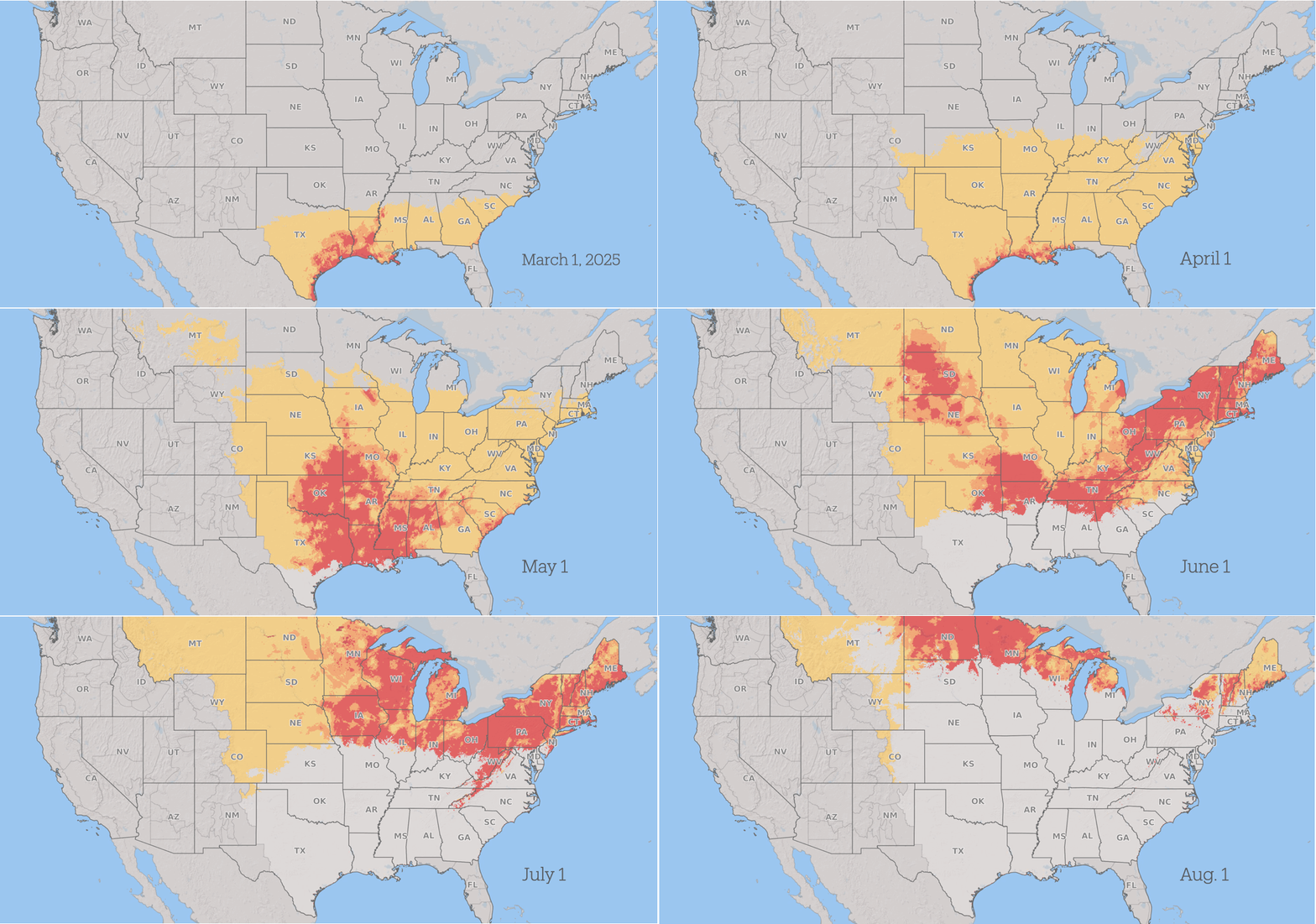
* Regional Patterns: In the southern U.S., spring is prime infection time. As the growing season progresses, the risk moves northward into the Midwest and Canada, following the maturation of grain crops.
* Year-to-Year Variation: The severity of outbreaks depends heavily on weather patterns. Periods of prolonged wetness during flowering are especially conducive to disease progress.
* Risk Assessment: tools like the Fusarium Risk Tool from Penn State (http://www.wheatscab.psu.edu/) can help you assess the current risk level in your area. (See image below for a 2025 risk progression example).
!Fusarium Risk Progression 2025
how Fusarium graminearum risk progressed in 2025. Yellow is low risk, orange is medium risk, and red is high risk. [Fusarium Risk Tool/Penn State]
How Does Scab Spread?
Understanding the lifecycle is crucial for prevention.Fusarium graminearum survives between seasons on crop residue left in the field – think wheat, barley, and corn stalks.
* Spore dispersal: The fungus reproduces by creating microscopic spores. These spores are lightweight and can travel long distances on wind currents, spreading the infection across vast areas.
* Infection Process: Spores land on wheat or barley heads during flowering, infecting the developing grain.
Managing Scab: A Multi-Pronged Approach
There’s no single silver bullet for scab control. An integrated strategy is your best defense.
- Fungicide Application: Applying a fungicide to developing wheat heads when they are most vulnerable can significantly reduce scab severity, improve grain weight, and minimize mycotoxin contamination. However,remember fungicides offer protection,not a cure.
- Resistant Varieties: Planting wheat or barley varieties with improved scab resistance is a cornerstone of management.
- Crop Rotation: Rotating crops breaks the disease cycle by reducing the amount of infected residue in the field.
- Tillage: Tilling the soil after harvest helps bury crop residue, limiting the fungus’s ability to survive the winter.
- Early Warning Systems: Predictive models, like the one developed by Kansas State, Ohio State, and Pennsylvania State Universities (https://www.wheatscab.psu.edu/),utilize weather data to forecast scab risk. This allows for timely fungicide applications.
Staying Ahead of the Curve
Plant pathologists are continually refining our understanding of scab and developing better prediction tools. Staying informed is key.
* Monitor Weather Conditions: Pay close attention to rainfall and humidity levels during flowering.
* Consult with Experts: Your local extension office or a certified crop advisor can provide tailored recommendations for your region.
* Be Proactive: Don’t wait