The Fuzzy Zoeller Controversy: Examining a Golfing Legacy and Racial Sensitivity
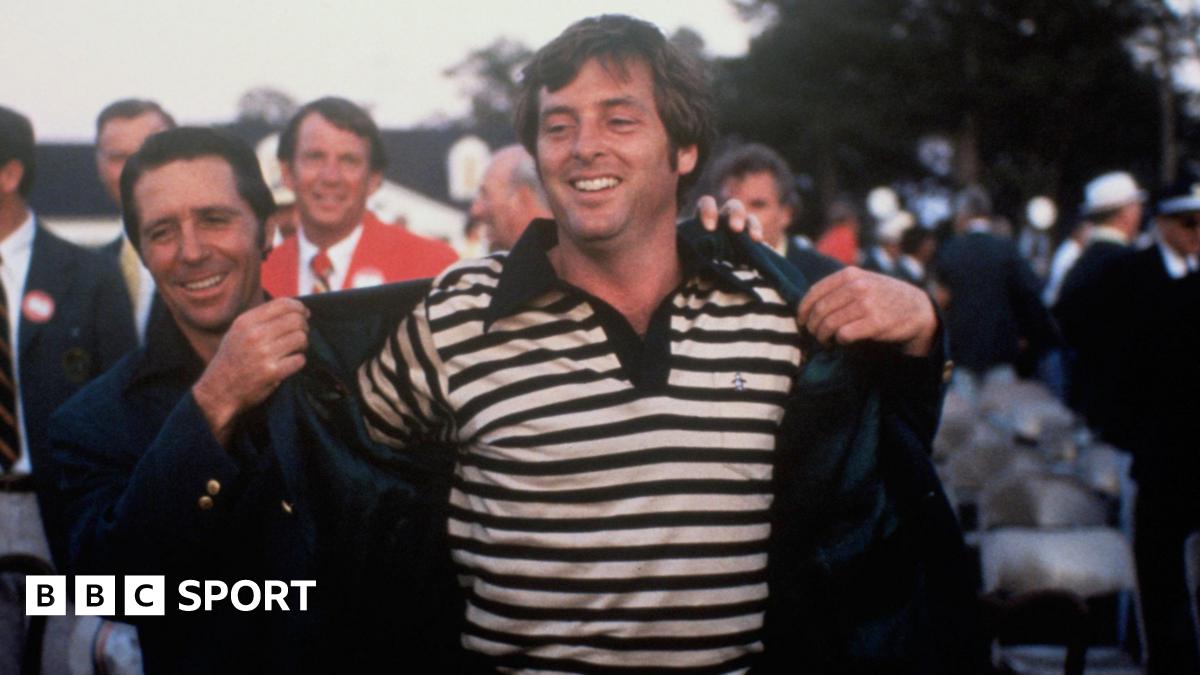
The name Fuzzy Zoeller evokes memories of a celebrated golfing career – ten PGA tour victories, a Masters Tournament win in 1979, and a charismatic personality.However,his legacy is inextricably linked to a deeply controversial remark made after Tiger Woods‘ historic 1997 Masters victory. This incident sparked widespread outrage and continues to be a meaningful talking point in discussions about racial sensitivity in sports. This article delves into the details of the controversy, its aftermath, and its lasting impact, offering a nuanced perspective on a complex moment in golf history.
the 1997 Remark: Context and Initial Reaction
Following Woods’ groundbreaking win – becoming the first African American to claim the Masters title – Zoeller, during a post-tournament interview, made a racially charged joke. he suggested Woods should be warned not to serve “fried chicken next year,” adding a reference to ”collard greens or whatever the hell they serve.” The comment instantly drew condemnation from across the sporting world.
Did You Know? The reference to fried chicken and collard greens is rooted in harmful racial stereotypes associated wiht african American cuisine, historically used to demean and marginalize the Black community.
The initial reaction was swift and severe. Sponsors distanced themselves, and Zoeller faced intense public scrutiny. While he initially attempted to explain the comment as a joke, the damage was already done. But what truly fueled the fire wasn’t just the words themselves, but the historical context they invoked.
Apologies and Attempts at Reconciliation
Zoeller issued multiple apologies,claiming his words were “misconstrued” and intended as a lighthearted jab.In a 1998 Golf Digest article, he expressed deep regret, stating he had “cried many times” and apologized “countless times.” He emphasized his friendships with people of color and insisted the remark didn’t reflect his true character.
Pro Tip: When addressing sensitive topics like racial remarks,acknowledging the harm caused and demonstrating genuine remorse are crucial first steps towards reconciliation. However, apologies alone are often insufficient and must be accompanied by concrete actions.
However, many felt the apologies were insufficient, arguing they lacked a full understanding of the pain and offense caused by the underlying stereotypes. The incident highlighted a broader issue: the lack of awareness regarding racial issues within the predominantly white world of professional golf.
Examining the Broader Implications: Race in Golf
The Zoeller controversy wasn’t an isolated incident. It occurred within a historical context of limited diversity in golf. Tiger Woods’ emergence as a dominant force challenged the sport’s traditional demographics and brought issues of race and inclusion to the forefront.
Here’s a speedy comparison of the landscape before and after Woods’ impact:
| Aspect | Pre-Tiger Woods (Early 1990s) | Post-Tiger Woods (2010s – Present) |
|---|---|---|
| Diversity in Golf | Predominantly White | Increased, but still underrepresented minorities |
| Media Coverage of minorities | Limited | Substantially increased, though disparities remain |
| Junior Golf Programs | Limited outreach to diverse communities | Growth in programs aimed at increasing minority participation |
the incident forced a conversation about the need for greater inclusivity and sensitivity within the sport. It prompted organizations like the PGA of America to implement diversity initiatives and promote greater representation at all levels. Recent data from the National Golf Foundation (November 2023) shows a slight increase in participation from minority groups, but significant work remains to be done. https://www.ngf.org/
Zoeller’s Later Years and Legacy
Despite the controversy, Zoeller continued to enjoy a accomplished career and remained a popular figure in the golfing community. He was inducted into the World golf Hall of Fame in 2008. Upon his passing in December 2023, PGA Tour Commissioner Jay Mon