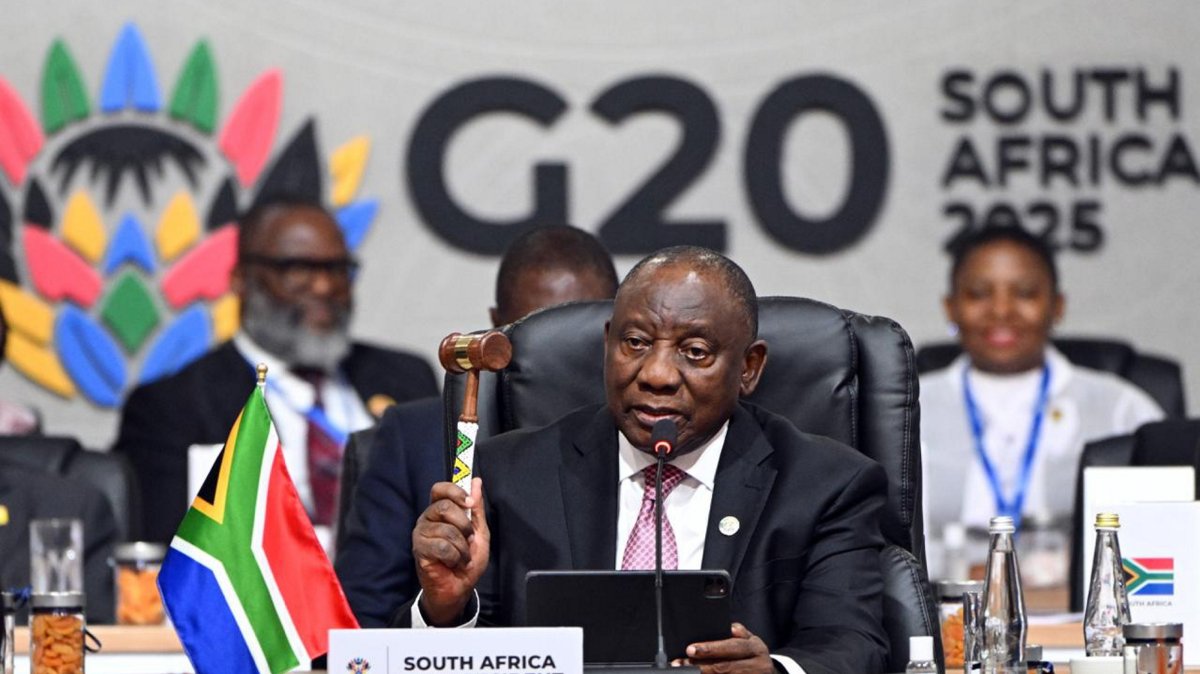
G20 Summit in Johannesburg: A Declaration of shared Global Priorities Despite U.S. Absence
Teh recent G20 summit, hosted in Johannesburg, South Africa, concluded with a significant declaration addressing pressing global challenges. Despite a notable absence from the United States, leaders forged a consensus on critical issues like climate change and debt relief for developing nations. This outcome underscores a growing sentiment that shared global goals can transcend geopolitical differences.
President Cyril ramaphosa of South Africa skillfully navigated the summit,pushing for the declaration even amidst objections. He emphasized that the collective objectives of world leaders ultimately outweigh their disagreements. This achievement is particularly noteworthy given the context of heightened international tensions and ongoing climate negotiations.
U.S. Boycott and Shifting Priorities
president Donald Trump‘s decision to boycott the summit stemmed from unsubstantiated allegations regarding the treatment of white minorities in South Africa. furthermore, his governance rejected South Africa’s agenda, wich centered on solidarity with developing nations and addressing climate vulnerabilities.
This divergence in priorities became evident in the U.S. rejection of key themes. These included adapting to worsening weather disasters, transitioning to clean energy sources, and alleviating the burden of excessive debt on poorer countries.
A Declaration Focused on Global Needs
The resulting summit document reflects a strong commitment to tackling climate change. It highlights the urgent need for adaptation measures and commends ambitious renewable energy targets.You’ll find a clear acknowledgement of the financial strain caused by high debt servicing costs for developing nations.
Here’s a breakdown of the key areas addressed in the declaration:
* Climate Change: Recognizing the severity of the crisis and prioritizing adaptation strategies.
* Renewable Energy: Praising efforts to increase investment and adoption of clean energy technologies.
* Debt Relief: Addressing the unsustainable debt burdens faced by many developing countries.
* Global Solidarity: Emphasizing the importance of international cooperation to address shared challenges.
Protocol and the G20 Presidency Transition
The summit also saw a diplomatic friction regarding the transition of the G20 presidency to the United States. South Africa declined a U.S.proposal to have an embassy official represent President Trump during the handover ceremony. This decision was based on concerns about adhering to established protocol.
Consequently,the White House has accused South Africa of hindering a smooth transfer of power.However, this disagreement doesn’t diminish the significance of the summit’s achievements.
What This Means for You and the future
This summit signals a potential shift in global leadership. It demonstrates that a coalition of nations is willing to prioritize collective action on critical issues, even in the absence of customary leadership. For you, this means a greater focus on international cooperation to address challenges that impact us all.
The Johannesburg summit’s declaration isn’t just a document; it’s a statement. It’s a statement that the world is ready to move forward with a renewed commitment to shared prosperity and a sustainable future. It will be fascinating to see how the U.S., under its new presidency, engages with these priorities in the coming year.