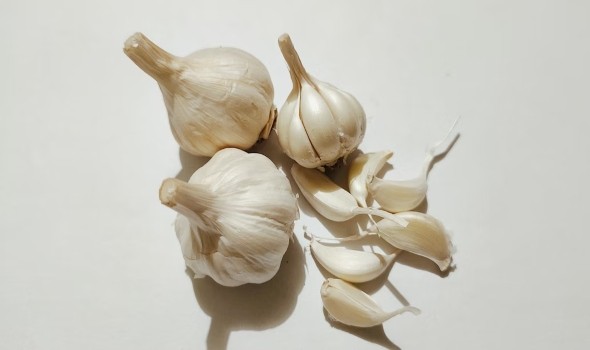
Berlin, Germany – February 19, 2026 – For centuries, garlic has been lauded for its culinary and medicinal properties. Now, a growing body of scientific research suggests that this common kitchen staple may also play a significant role in maintaining cardiovascular health, specifically in lowering cholesterol levels. Recent studies, particularly those conducted by researchers at Shanghai Jiao Tong University, indicate a potential link between regular garlic consumption and reduced levels of harmful cholesterol in the blood.
The rising global prevalence of high cholesterol and associated cardiovascular diseases necessitates exploring accessible and natural preventative measures. While pharmaceutical interventions remain crucial for many, the potential for dietary adjustments to positively impact heart health is gaining increasing attention. Garlic, readily available and relatively inexpensive, presents a promising avenue for investigation and potential integration into preventative healthcare strategies.
Garlic’s Impact on Cholesterol: A Closer Look at the Research
A meta-analysis encompassing 22 scientific studies, published in the journal Frontiers in Pharmacology, has provided compelling evidence supporting garlic’s cholesterol-lowering effects. Researchers found that incorporating garlic into one’s diet is statistically associated with a notable decrease in total cholesterol and low-density lipoprotein (LDL) cholesterol – often referred to as “bad” cholesterol – both key risk factors for atherosclerosis, or the hardening of the arteries. This study, conducted by scientists at Shanghai Jiao Tong University, reinforces earlier findings and adds weight to the growing body of evidence.
The mechanisms behind garlic’s beneficial effects are believed to be multifaceted. Researchers suggest that the high concentration of biologically active compounds and antioxidants within garlic contribute to its cholesterol-regulating properties. Specifically, these compounds appear to moderately inhibit cholesterol production in the liver and reduce the oxidation of LDL cholesterol. LDL oxidation is a critical process in the formation of atherosclerotic plaques, making its reduction a significant factor in cardiovascular protection.
Another study, reported by Seha24.net, also highlights the findings from Shanghai Jiao Tong University, confirming the regular consumption of garlic can contribute to lowering harmful cholesterol levels and preventing cardiovascular diseases. This corroborates the findings published in Frontiers in Pharmacology, strengthening the scientific consensus.
How Does Garlic Work? Unpacking the Biological Mechanisms
The active compounds in garlic, including allicin and other sulfur-containing compounds, are thought to be primarily responsible for its health benefits. Allicin, formed when garlic is crushed or chopped, is known for its potent antioxidant and anti-inflammatory properties. These properties are believed to play a crucial role in protecting against oxidative stress, a major contributor to LDL cholesterol oxidation and arterial damage.
By inhibiting cholesterol synthesis in the liver, garlic helps to regulate the overall production of cholesterol within the body. Simultaneously, by reducing LDL oxidation, it minimizes the formation of plaque buildup in the arteries. This dual action contributes to improved blood flow and a reduced risk of cardiovascular events such as heart attacks and strokes. The research suggests these mechanisms may also indirectly contribute to lowering the risk of hypertension, further bolstering cardiovascular health.
Forms of Garlic and Optimal Consumption
While the research primarily focuses on the consumption of fresh garlic, various forms are available, including garlic powder, garlic extract, and aged garlic extract. The bioavailability of allicin, the key active compound, can vary depending on the form and preparation method. Crushing or chopping fresh garlic and allowing it to sit for approximately 10-15 minutes before cooking can maximize allicin formation.
The optimal dosage of garlic for cholesterol-lowering benefits remains under investigation. Studies have used varying amounts, but many have shown positive effects with the equivalent of one to two cloves of fresh garlic per day. It’s critical to note that garlic can have blood-thinning effects, so individuals taking anticoagulant medications should consult with their healthcare provider before significantly increasing their garlic intake.
Beyond Cholesterol: Additional Cardiovascular Benefits
The potential benefits of garlic extend beyond cholesterol management. Research suggests that garlic may also contribute to improved blood vessel function, reduced blood pressure, and decreased platelet aggregation – all factors that contribute to a healthier cardiovascular system. Its anti-inflammatory properties may also support to mitigate chronic inflammation, a key driver of many chronic diseases, including heart disease.
garlic’s antioxidant properties can help protect cells from damage caused by free radicals, contributing to overall health and well-being. While more research is needed to fully elucidate the extent of these benefits, the existing evidence suggests that garlic is a valuable addition to a heart-healthy lifestyle.
Ongoing Research and Future Directions
Despite the promising findings, researchers emphasize the need for further investigation to fully understand the long-term effects of garlic consumption on cholesterol levels and cardiovascular health. Larger, more comprehensive clinical trials are needed to confirm these findings and determine the optimal dosage and form of garlic for maximum benefit.
Ongoing research is also exploring the potential synergistic effects of garlic with other dietary and lifestyle interventions, such as exercise and a balanced diet. Understanding these interactions could lead to more effective and personalized strategies for preventing and managing cardiovascular disease.
According to Aawsat.com, there is increasing evidence that garlic can contribute to lowering blood cholesterol levels, although more scientific research is still needed.
Key Takeaways
- Regular garlic consumption may help lower total and LDL (“bad”) cholesterol levels.
- Garlic’s beneficial effects are attributed to its biologically active compounds, including allicin, which possess antioxidant and anti-inflammatory properties.
- Garlic may also contribute to improved blood vessel function, reduced blood pressure, and decreased platelet aggregation.
- Individuals taking anticoagulant medications should consult with their healthcare provider before significantly increasing their garlic intake.
- Further research is needed to determine the optimal dosage and long-term effects of garlic consumption.
The potential of garlic as a natural aid in managing cholesterol and promoting cardiovascular health is an exciting area of ongoing research. While not a replacement for conventional medical treatment, incorporating garlic into a balanced diet may offer a valuable and accessible strategy for supporting heart health. As research continues to unfold, we can expect a more comprehensive understanding of this remarkable plant and its potential to improve the well-being of individuals worldwide.
Researchers will continue to monitor the effects of garlic on cardiovascular health, with future studies planned to investigate the optimal dosage and long-term benefits. Stay tuned to World Today Journal for updates on this evolving area of research. We encourage readers to share their thoughts and experiences with garlic in the comments below.