Gaza‘s Wounded Children: A Lifeline Interrupted
The situation for children injured in the ongoing conflict in Gaza has taken a devastating turn. A sudden pause in U.S. visa approvals is leaving critically wounded children stranded, their access to life-saving medical care hanging in the balance. These aren’t just statistics; they are young lives facing unimaginable hardship.
A Desperate Need for Specialized Care
Many of these children require treatment beyond the capabilities of hospitals in the region. Severe injuries, frequently enough sustained in bombings, demand specialized expertise and resources not readily available in Gaza or even in many neighboring countries.consequently, medical evacuations to the United States had become a crucial lifeline.
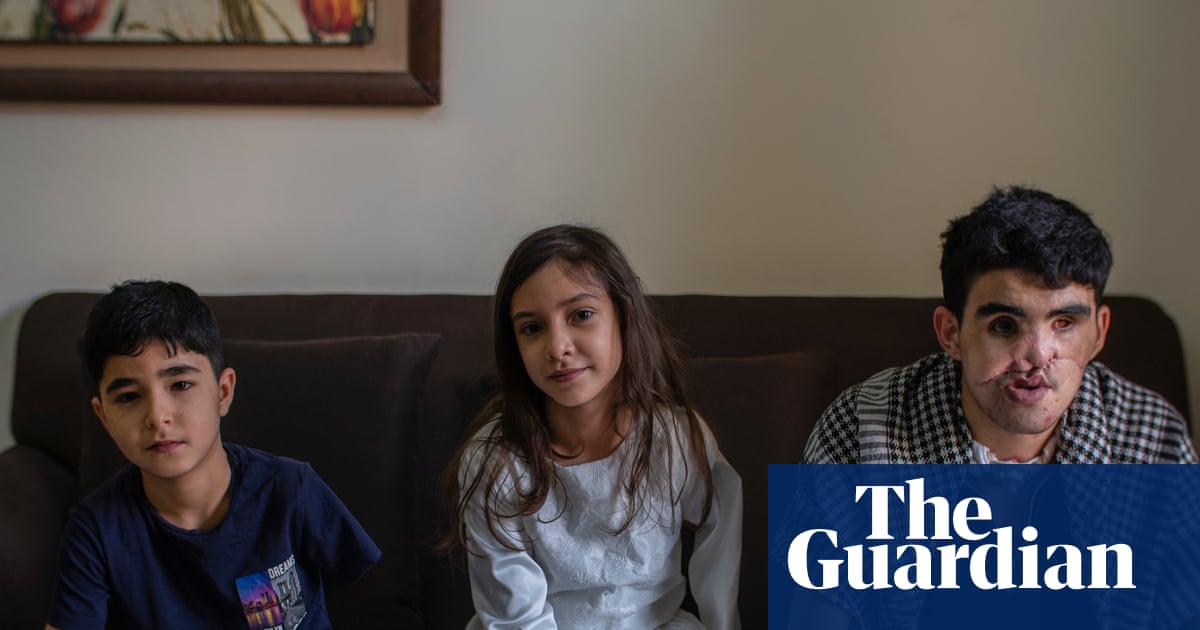
Consider the case of 10-year-old Ahmed Duweik and his mother, Iman Al-Khatib. They represent countless families caught in this agonizing predicament.Their story, and those like it, underscore the urgency of the situation.
The Visa Pause: A Sudden Halt to Hope
Recently, the U.S. government unexpectedly paused the processing of visas for these vulnerable children.Officials cited a need for a “full and thorough review,” but the impact is immediate and dire. You can imagine the fear and uncertainty this creates for families already traumatized by war.
The decision has sparked concern among aid organizations and medical professionals. They argue that these evacuations are not merely humanitarian gestures, but essential interventions to prevent needless suffering and death. Moreover, they point out that other nations – france, Australia, the UK, and Canada – should also be actively involved in providing assistance.
Trapped in Limbo: A Bleak Reality
Currently, these children are stuck in Egyptian hospitals, awaiting a resolution. These facilities, while providing basic care, lack the specialized doctors and equipment needed to address the complex injuries sustained in the conflict. Families are crammed into small, hot rooms, facing an uncertain future.
It’s a heartbreaking situation, and the emotional toll is immense. Iman al-Khatib poignantly expresses the helplessness felt by these parents. “all we can do is pray that his visa approval comes before death does,” she says, encapsulating the desperation of their plight.
What Does This Mean for the Future?
The implications of this visa pause extend far beyond the immediate crisis. It raises serious questions about international responsibility and the commitment to providing humanitarian aid in times of conflict.
Hear’s what you need to understand:
* Critical injuries require specialized care. Not all hospitals are equipped to handle the complex wounds of war.
* Time is of the essence. delays in treatment can have devastating consequences for these children.
* International cooperation is vital. Sharing the responsibility for providing aid is crucial.
* Humanitarian aid should not be politicized. These children are victims of circumstance, and their access to care should not be subject to political considerations.
The situation demands immediate attention and a swift resolution. These children deserve a chance at life, and the international community has a moral obligation to provide it. Ultimately, their fate rests on a renewed commitment to compassion and a willingness to act decisively.

![Flynn Wright Expands to Portland: New Office Location | [Year]](https://i0.wp.com/www.businessrecord.com/wp-content/uploads/2025/08/Flynn-Wright-logo.png?resize=150%2C150&ssl=1 "Flynn Wright Expands to Portland: New Office Location | [Year]")