Gaza Crisis Deepens: Death Toll Surpasses 63,000 Amidst Famine and Genocide Accusations – A Thorough Update (november 18, 2023)
The humanitarian catastrophe in Gaza continues to escalate, with the Gaza health Ministry reporting a grim milestone: over 63,000 Palestinians have been killed and more than 160,000 wounded since the commencement of Israeli military operations on October 7, 2023. This report, coupled with mounting international condemnation and accusations of genocide, paints a harrowing picture of a region on the brink of collapse. This analysis provides a comprehensive overview of the current situation, drawing on official reports, international statements, and on-the-ground observations.
A Mounting Death Toll and the Reality of Famine
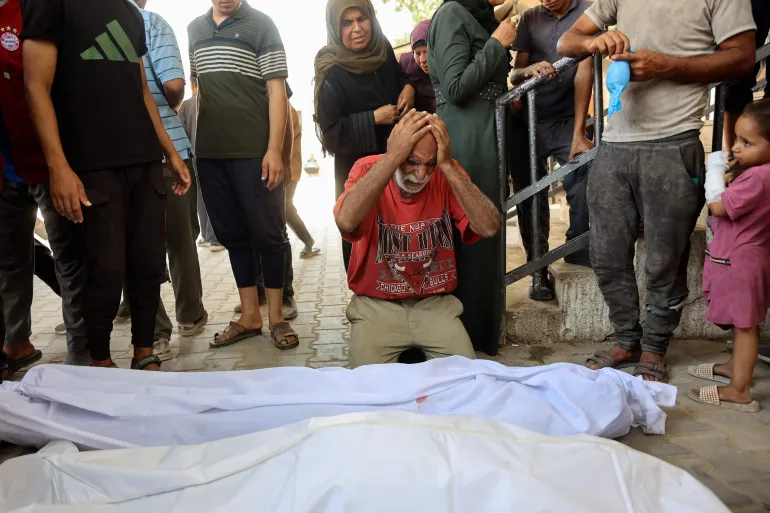
The latest 24-hour period saw a further 98 Palestinian deaths and 404 injuries from Israeli airstrikes, intensifying the already overwhelming strain on Gaza’s decimated healthcare system. Beyond the immediate casualties of the conflict, the long-term effects of the ongoing siege are manifesting in a devastating famine.As March 2023, a cumulative total of 11,426 Gazans have lost thier lives, with 48,619 injured.
The situation is notably acute regarding access to food. Tragically, 46 people were recently killed while attempting to receive food aid, bringing the total deaths linked to food distribution efforts to a shocking 2,294, with over 16,800 injured. Nine new deaths attributed to famine and malnutrition have been reported, including three children, pushing the total death toll from hunger to 348, of which 127 are children. the official recognition of famine in Gaza by the Health Ministry in August served as a stark warning, yet conditions continue to deteriorate. The limited aid reaching the enclave – only 534 trucks in the last five days, drastically short of the required 3,000 - is deliberately insufficient, according to the Gaza Government Media Office, and constitutes a calculated strategy to exacerbate the crisis.
Genocide Allegations and International Scrutiny
The severity of the situation has prompted serious accusations of genocide. The International Association of Genocide Scholars (IAGS) recently issued a statement affirming that Israel’s actions in Gaza meet the legal criteria for genocide, a resolution endorsed by 86% of its members. This assessment carries significant weight, providing crucial evidence for potential international legal proceedings. The Gaza Government Media Office has welcomed the IAGS statement, urging the global community to take immediate action.
International condemnation is growing. The Gulf Cooperation Council (GCC) foreign ministers, meeting in Kuwait, called for an immediate and permanent ceasefire, explicitly labeling Israel’s actions as genocide and demanding unrestricted humanitarian access. Turkish President Recep Tayyip Erdogan,speaking at the Shanghai Cooperation Organization summit,criticized the global community’s inaction and called for UN reform.
Even within Europe, voices are rising in dissent. Slovenian President Natasa Pirc Musar drew a stark parallel to the Srebrenica massacre,criticizing the lack of consensus on addressing the atrocities in Gaza. This reflects a growing frustration with the perceived failure to halt the violence.
Internal Divisions in Israel and Resistance Movements
The crisis is also impacting Israeli politics. Reports indicate a growing rift within the security cabinet regarding the release of Israeli captives held by Hamas. Prime Minister Benjamin Netanyahu’s rejection of a partial deal, deeming it “unacceptable,” highlights the complex political calculations at play.
Meanwhile, Palestinian resistance continues. The military wing of Islamic Jihad, Saraya al-Quds, claimed responsibility for downing an Israeli drone over Khan Younis and destroying an Israeli armored vehicle in southern Gaza, demonstrating ongoing resistance despite the overwhelming military disparity.
Humanitarian Workers and Journalists Under Threat
The targeting of civilians extends beyond direct military operations. Over 250 media outlets have joined a campaign led by Reporters Without Borders and Avaaz to denounce the systematic targeting of Palestinian journalists by Israeli forces. This suppression of details hinders independent reporting and obscures the full extent of the suffering.
Furthermore, Euro-Med Human Rights Monitor reports that israeli forces are systematically destroying approximately 300 housing units daily in Gaza City and Jabalia, utilizing booby-trapped vehicles packed with explosives. This tactic is described as a deliberate attempt to ”wipe out the city” and forcibly displace its residents.
Civil Society Response and Obstacles to Aid
Civil society groups are mobilizing to provide assistance, but face significant obstacles. The “Freedom Flotilla,” carrying aid and activists including Greta Thunberg, was forced to return to Barcelona due to adverse weather conditions, delaying the delivery of much-needed supplies. Dockworkers in Genoa, Italy, have threatened to halt shipments to Israel unless humanitarian aid is