Gaza‘s Fragile Recovery: A Looming Threat of Reversal Despite Ceasefire Gains
The recent ceasefire in Gaza has averted immediate famine,but a precarious situation persists,threatening to undo hard-won gains. While humanitarian and commercial deliveries have improved market availability of food, a complex web of economic hardship, infrastructural damage, and logistical obstacles continues to leave the vast majority of Gazan families struggling to meet basic needs. This report,drawing on assessments from the Food and Agriculture Association (FAO),UNICEF,World Food Program (WFP),and World Health Organization (WHO),details the ongoing crisis,outlines critical challenges,and urges immediate,sustained action to prevent a return to catastrophic conditions.
A Persistent Crisis of access and Affordability
Despite improved supply, the essential problem remains one of access – not just physical access to food, but economic access. A staggering 79% of Gazan households are unable to afford food or clean water. Nutrition-rich foods, particularly protein sources, are scarce and prohibitively expensive, leading to a deeply concerning nutritional landscape. Alarmingly, no children in Gaza are currently receiving a minimum diverse diet, and two-thirds are experiencing severe food poverty, subsisting on as few as one or two food groups.This chronic undernutrition has long-term consequences for child growth, impacting both physical health and cognitive abilities.
This isn’t simply a matter of insufficient food arriving in Gaza. The underlying economic devastation, compounded by years of conflict, has eroded purchasing power and left families deeply vulnerable. The situation is further exacerbated by:
* Overcrowded and Unsanitary Living Conditions: Displaced populations are crammed into makeshift shelters, often lacking adequate sanitation. damaged sewage systems and unreliable water supplies create breeding grounds for disease.
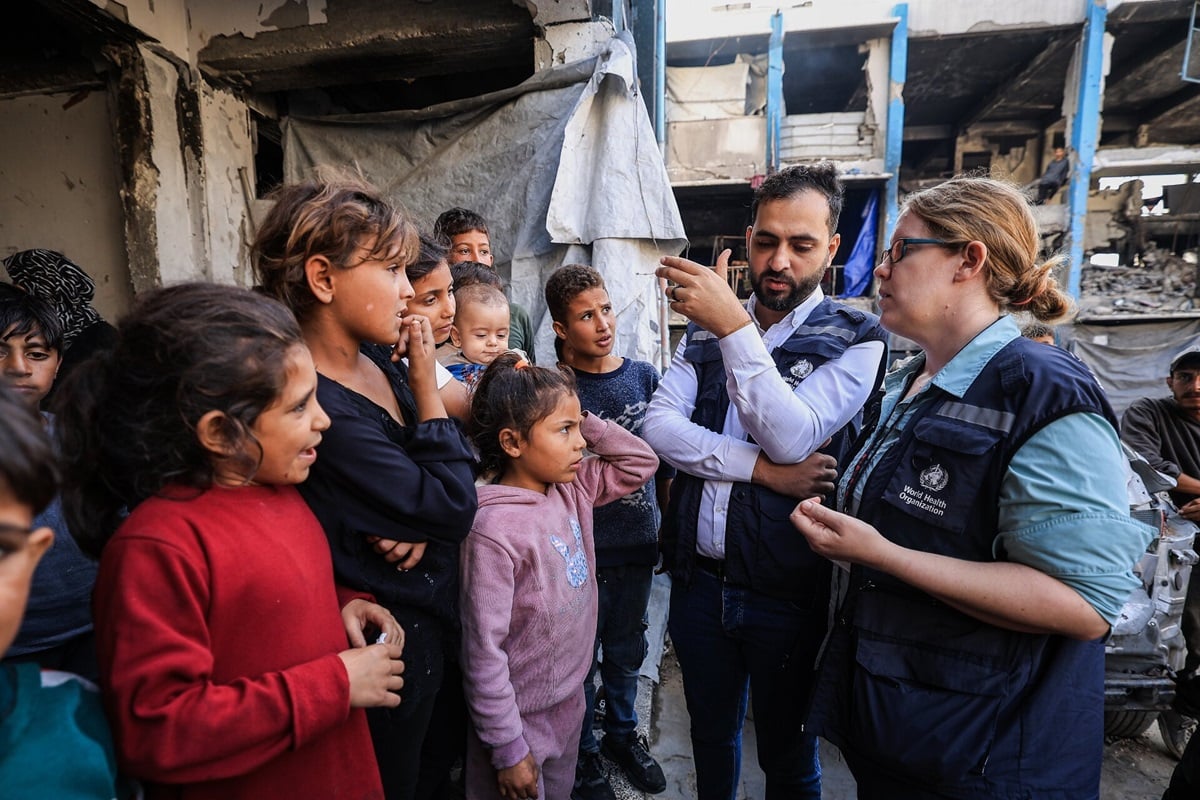
* Public Health Crisis: These conditions are fueling outbreaks of respiratory infections, diarrhea, and skin diseases, disproportionately affecting children. Only 50% of Gaza’s health facilities are even partially functional, and those that are operating face critical shortages of essential supplies and equipment - often delayed or denied entry due to complex and restrictive procedures, including concerns over “dual-use” items.
* Winter Hardship: Families are resorting to burning wood and trash for warmth, further contributing to respiratory problems and environmental degradation.
The Urgent Need to Revitalize Local Food Systems
While humanitarian aid is crucial, a sustainable solution requires restoring Gaza’s own capacity to produce food. Gaza’s farmers, herders, and fishers are eager to resume production, but they are hampered by a lack of access to basic agricultural supplies and funding. As Rein Paulsen, director of FAO’s Office of Emergencies and resilience, emphasizes, “The ceasefire has opened a narrow window to allow life-sustaining agricultural supplies to reach vulnerable farmers. Only funding and expanded and sustained access will allow local food production to resume and reduce dependence on external aid.” Investing in local food systems is not just about immediate relief; it’s about building resilience and fostering long-term food security.
A Multi-Agency Response Facing Critical Constraints
FAO, UNICEF, WFP, and WHO are actively working to scale up their responses, focusing on:
* Nutrition Support: WHO is currently supporting seven severe acute malnutrition stabilization centers, but demand far exceeds capacity.
* Food Assistance: WFP is committed to moving families from aid dependency towards self-sufficiency, but requires consistent access and funding.
* Child Protection & health: UNICEF is addressing the deep, lasting scars of conflict on children, but faces challenges in providing essential health services and clean water.
* agricultural recovery: FAO is focused on restoring local food production, but is constrained by import restrictions and lack of funding.
However, these efforts are severely hampered by import restrictions, access constraints, and, critically, major funding gaps. These limitations prevent the agencies from operating at the necessary scale to address the immense needs.
A Call for Decisive Action
The agencies are issuing a clear and urgent call to action, urging all parties to:
- Guarantee Sustained Access: Ensure safe, unimpeded, and timely humanitarian and commercial access across Gaza.
- lift Restrictions: Remove restrictions on essential imports, including agricultural inputs, food commodities, nutrition, and healthcare supplies.
- Scale Up Funding: Rapidly increase funding for essential services – food, nutrition, health, water, sanitation, agriculture, and livelihood support.
- Reactivate local Production: Prioritize the reactivation of local food production and value chains.
As Lucia Elmi, UNICEF Director of Emergency Operations, powerfully states, “Gaza’s children have suffered enough. The world cannot turn away now.” The current gains are fragile and could vanish quickly if fighting resumes.
Conclusion: From Survival to Recovery – A Critical Juncture
The situation in Gaza remains deeply concerning. While the immediate threat of famine has receded, the underlying vulnerabilities persist.