
Mounting Evidence Suggests Genocide in Gaza, UN Commission Finds – A Call for International Action
Recent findings from a united Nations Commission of Inquiry paint a harrowing picture of the situation in Gaza, alleging evidence of acts constituting genocide perpetrated by israeli authorities. Led by Navi Pillay, a former UN High Commissioner for Human Rights, the Commission’s report details a systematic campaign of destruction and deliberate infliction of conditions designed to decimate the Palestinian population, triggering a growing chorus of calls for international intervention. This analysis will delve into the commission’s findings, contextualize them within international law, and explore the implications for the global community.
defining Genocide: The Legal Framework
The foundation for assessing these allegations lies in the 1948 Convention on the Prevention and Punishment of the Crime of Genocide.This landmark treaty defines genocide not merely as mass killing, but as a specific set of acts committed with the intent to destroy, in whole or in part, a national, ethnical, racial or religious group. These acts,as outlined in the Convention and echoed in the Commission’s report,include:
* Killing: The report highlights “unprecedented numbers” of Palestinians killed during israeli military operations.
* Causing Serious Bodily or Mental harm: Beyond fatalities, the Commission documents widespread physical and psychological trauma inflicted upon the Gazan population.
* Deliberately Inflicting Conditions of Life Calculated to Bring About Destruction: this is a central tenet of the Commission’s findings, focusing on the imposition of a ”total siege” and the deliberate obstruction of humanitarian aid.
* Imposing Measures Intended to Prevent Births: While specific details require further inquiry, the report alludes to conditions contributing to this outcome.
The Commission’s Core Findings: A Pattern of Atrocity
The Commission’s investigation didn’t arrive at it’s conclusions lightly. It conducted a “methodical examination” of Israeli military operations, focusing on several key areas:
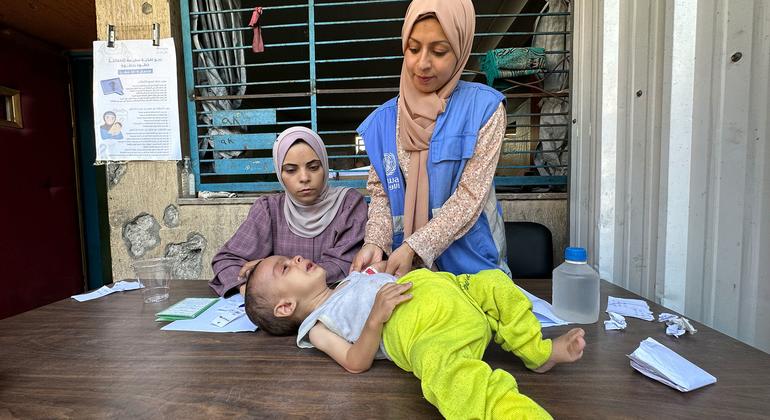
* Starvation as a Weapon: The report explicitly accuses Israeli authorities of “imposing starvation and inhumane conditions of life” through the blockade of Gaza. Data from the UN’s Office for the Coordination of humanitarian Affairs (OCHA) confirms this, reporting that nearly one million people remain in Gaza City, famine has been confirmed, and access to basic survival necessities is severely compromised. This deliberate deprivation of essential resources aligns with the definition of inflicting conditions calculated to bring about destruction.
* Systematic Destruction of Infrastructure: The Commission details the “systematic destruction” of healthcare and education facilities in Gaza,crippling the ability of the population to sustain itself and rebuild. This isn’t simply collateral damage; the scale and targeting suggest a deliberate attempt to dismantle the foundations of Palestinian society.
* Sexual and Gender-Based Violence: The report also highlights “systematic” acts of sexual and gender-based violence against Palestinians, adding another layer of brutality to the alleged atrocities.
* Disregard for International Law & ICJ Orders: The Commission condemns Israel’s apparent disregard for orders issued by the International Court of Justice (ICJ) in March 2024, which mandated the unhindered provision of humanitarian aid to Gaza.This defiance of international legal obligations further fuels concerns about intent.
* Explicit Incitement: Ms. pillay emphasized the role of “explicit statements” made by Israeli civilian and military authorities denigrating Palestinians, suggesting a climate of dehumanization that facilitates violence.
The Commission concluded that, given the nature of these operations, “genocidal intent was the only reasonable inference” that could be drawn. This is a powerful and deeply concerning assertion.
The Implications of a Genocide Determination
The accusation of genocide carries immense weight. Under international law, all states have a legal obligation to prevent and punish genocide, even if it occurs outside their borders. This principle, known as the “Duty to Protect” (R2P), compels the international community to intervene when a state fails to protect its own population from mass atrocities.
As Ms. Pillay stated, “When clear signs and evidence of genocide emerge, the absence of action to stop it amounts to complicity.” This calls for a multifaceted response, including:
* Increased Diplomatic Pressure: States must exert maximum diplomatic pressure on Israel to cease the alleged genocidal acts and comply with international law.
* Arms embargoes: Consideration should be given to imposing arms embargoes to limit Israel’s capacity to continue the military operations.
* International Criminal Court (ICC) Investigation: The ICC should expedite its investigation into





