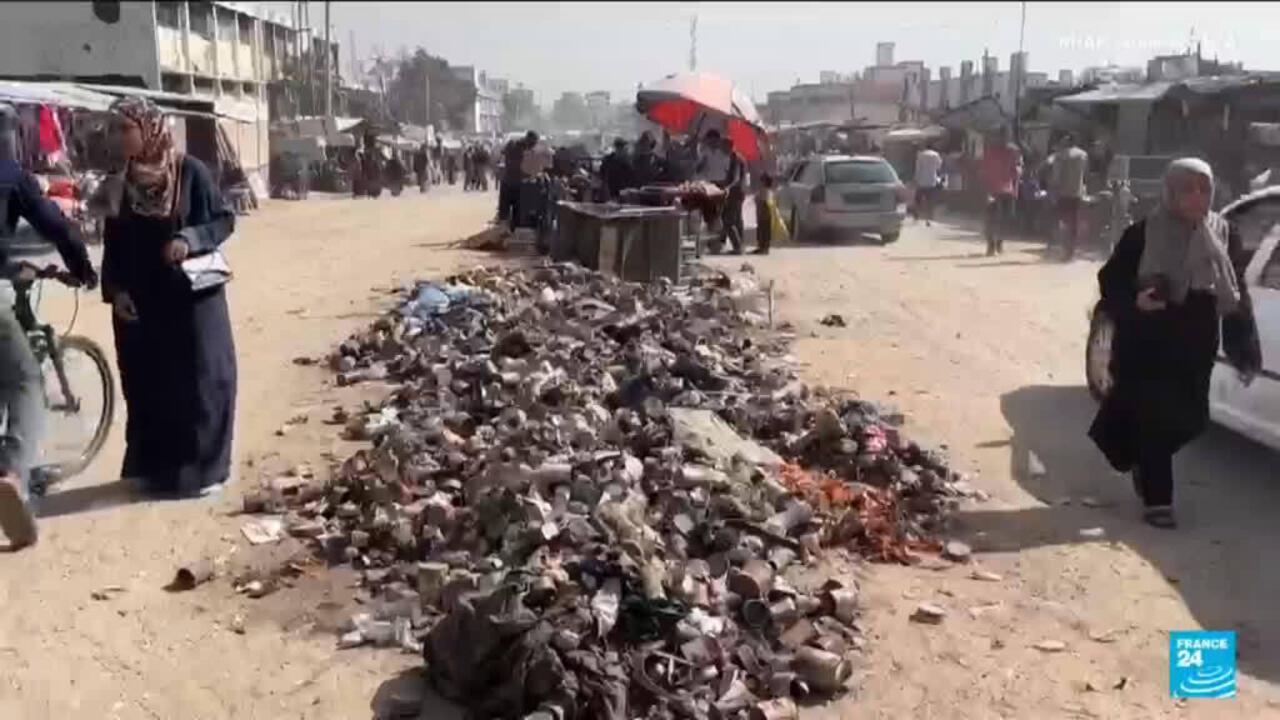
The Looming Health crisis in Gaza: A Post-Conflict Reality
The recent October Peace Plan offered a glimmer of hope, enabling displaced individuals to return to their homes. However, for many returning to cities like Khan Younis adn Gaza City, a different, insidious challenge awaits: a rapidly escalating public health crisis. This isn’t a outcome of ongoing conflict, but of its aftermath – the complete breakdown of essential waste management systems. Are you aware of the silent dangers lurking amidst the rubble?
The Mounting Threat of Disease
Garbage is accumulating at an alarming rate, creating breeding grounds for communicable diseases. This isn’t simply an aesthetic issue; it’s a direct threat to the health and well-being of a population already deeply traumatized and vulnerable.The collapse of infrastructure means no regular collection, no sanitation, and a growing risk of outbreaks.
Did You know? According to a recent report by the World Health Organization (November 2023), the risk of infectious disease outbreaks in Gaza is considerably higher than in other conflict zones due to the density of population and the compromised sanitation systems.
This situation is particularly concerning given the pre-existing health challenges in Gaza. Limited access to clean water, overcrowded living conditions, and a weakened healthcare system all contribute to increased susceptibility to disease. the potential for outbreaks of waterborne illnesses like cholera and typhoid, as well as vector-borne diseases like malaria, is very real.
Here’s a breakdown of the key issues:
* Waste Accumulation: Uncollected garbage provides a haven for disease-carrying pests.
* Water Contamination: Leaching from waste contaminates already scarce water resources.
* Healthcare Strain: A surge in disease cases overwhelms the already fragile healthcare infrastructure.
* Vulnerable Populations: Children, the elderly, and those wiht pre-existing conditions are at greatest risk.
Pro Tip: Supporting organizations providing hygiene kits (soap, hand sanitizer, menstrual hygiene products) and water purification solutions can make a tangible difference in preventing the spread of disease.
Understanding the Root Causes: Waste Management in Crisis
The current crisis isn’t a sudden event. Years of blockade,political instability,and underinvestment have left Gaza’s waste management infrastructure chronically weak. The recent conflict simply pushed it past the breaking point. Damage to waste collection vehicles, fuel shortages, and the displacement of sanitation workers have all contributed to the problem.
What steps can be taken to address this complex issue? A multi-faceted approach is crucial, focusing on both immediate relief and long-term sustainable solutions. This includes:
- Emergency Waste Removal: Prioritizing the removal of accumulated waste from densely populated areas.
- Rehabilitation of Infrastructure: Repairing damaged waste collection vehicles and treatment facilities.
- Provision of Essential Supplies: Ensuring access to fuel, protective equipment, and cleaning supplies for sanitation workers.
- Public Health Education: Raising awareness about hygiene practices and disease prevention.
- Sustainable Waste Management Systems: Investing in long-term solutions like recycling programs and composting initiatives.
the Role of International Aid and Long-Term Solutions
International aid is vital in addressing the immediate health crisis. though, sustainable solutions require a long-term commitment to rebuilding Gaza’s infrastructure and strengthening its public health systems. This includes investing in training for sanitation workers, providing access to modern waste management technologies, and promoting community participation in waste reduction efforts.
Did You Know? A study published in The Lancet (October 2023) highlighted the correlation between inadequate sanitation and increased mortality rates in post-conflict settings, emphasizing the urgent need for intervention.
The concept of