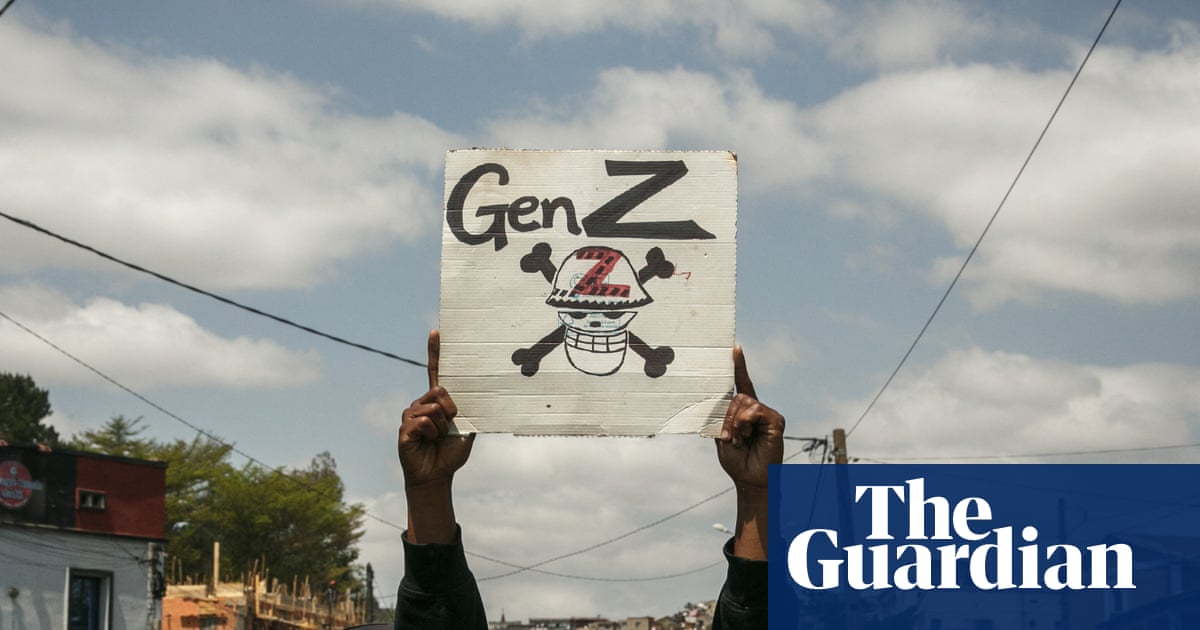
A Generation rising: How gen Z Protests Are Reshaping Global Politics
A powerful wave of activism is sweeping across teh globe, driven by a generation demanding change. Gen Z, those born roughly between 1997 and 2012, isn’t just digitally native – they’re politically awakened and actively challenging the status quo. From the streets of Nepal to the islands of Madagascar, young people are leveraging collective action to fight for a better future. This isn’t a localized phenomenon; it’s a connected movement fueled by shared frustrations and a refusal to remain silent.
The Spark: A Global Feeling of Discontent
several factors are converging to ignite this generation’s activism. You’ve likely noticed a growing disillusionment with traditional political systems, coupled with urgent concerns about issues like climate change, economic inequality, and social injustice. But beyond these common threads, there’s a sense of global solidarity at play.
Imad,a young activist from Morocco,succinctly captures this sentiment: “There is a global feeling that is shaping this generation. Morocco is very much part of it. It is a collective refusal to be silent.” This interconnectedness, amplified by social media, allows movements to inspire and inform one another across borders.
The events in Nepal, for example, served as a catalyst for action elsewhere. Shely, from Madagascar, explains, “What happened in Nepal I think played a big role in what happened in madagascar. Nepal [seemed] less corrupt than Madagascar but they still had this courage to protest against the government.” Seeing success – or even just the willingness to challenge authority – in one country emboldens activists in others.
Case Studies: Protests in Action
Let’s look at how this is unfolding in specific regions:
* Nepal: Recent protests in Nepal focused on systemic corruption and a lack of representation. Pradip, a participant in the movement, notes that the transitional government is now working towards elections. Hopefully, the new parliament will include youthful voices capable of charting a new course for the country. The aftermath of the protests included visible displays of defiance, like the wreckage of torched vehicles dumped outside parliament in Kathmandu.
* Madagascar: Activists in Madagascar are demanding a future where all citizens can live with dignity. Shely emphasizes the need for quality education and opportunities for young people. While the path ahead is long,she believes they are now actively working towards their goals.
* Togo: In Togo,the focus is on concrete demands. Bertin, a Togolese activist, outlines two immediate priorities: the release of political prisoners and the removal of President Gnassingbé. He argues that the current leadership has failed to deliver equitable advancement, leaving many struggling to meet basic needs.
What’s Next for Gen Z Activism?
The momentum is building, but sustaining it requires strategic thinking and continued engagement. Here are some key areas to watch:
- Political Representation: Getting Gen Z voices into positions of power is crucial.This means supporting young candidates, advocating for electoral reforms, and ensuring that youth issues are prioritized on the political agenda.
- Sustained Pressure: Protests are often a starting point, not an end in themselves. Maintaining pressure on governments through ongoing advocacy, civil disobedience, and strategic campaigns is essential.
- Building Coalitions: Gen Z’s concerns often intersect with those of other marginalized groups. Forging alliances with these communities can amplify impact and create a more inclusive movement.
- Focus on Systemic Change: Addressing the root causes of problems – like corruption, inequality, and climate change – requires systemic reforms. Gen Z is increasingly focused on challenging the structures that perpetuate injustice.
Shely, from Madagascar, offers a hopeful vision: “I hope for a future where each Malagasy citizen lives with dignity, where young people have access to quality education and opportunities. The path to the future that we wanted when we decided to protest is still far