
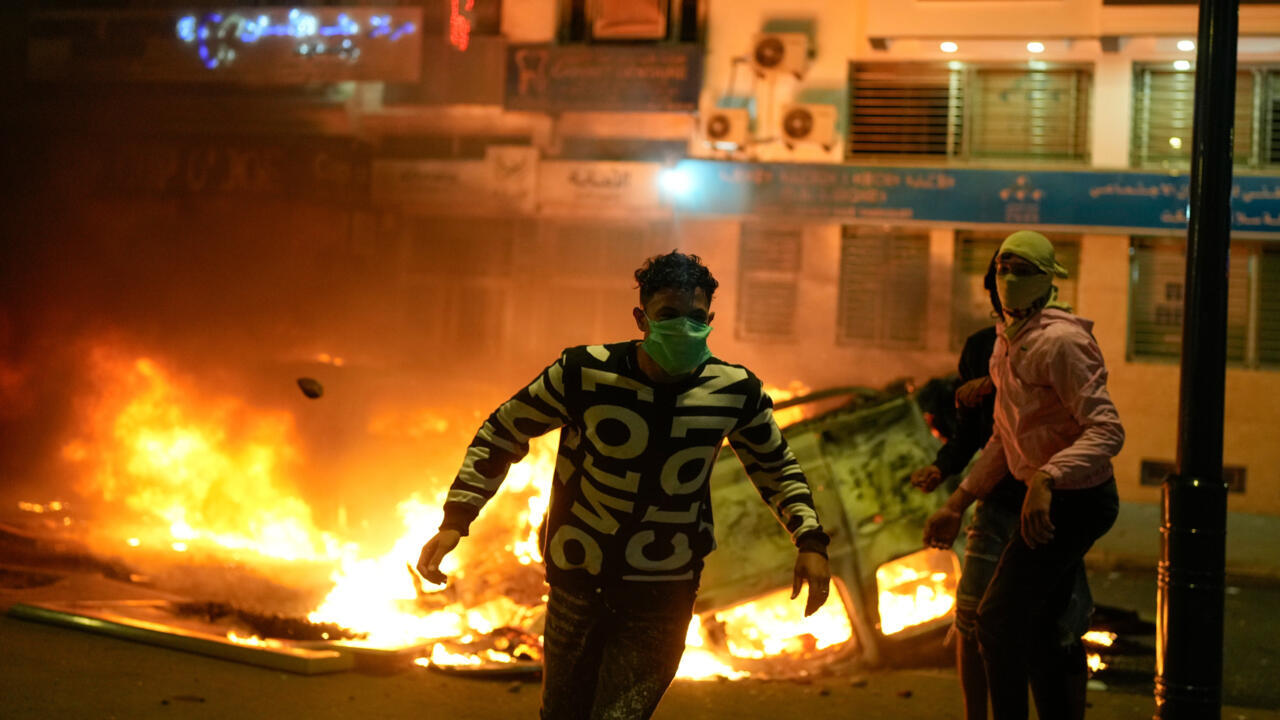
Morocco Faces Growing Unrest as Gen Z-Led Protests Enter Tenth Night
For the tenth consecutive night, Morocco is witnessing widespread demonstrations fueled by deep-seated frustration over corruption, social inequality, and failings within vital public services. These protests, gaining momentum since September 27th, represent a significant challenge to the North African nation’s traditionally stable political landscape.
The movement is largely driven by Gen Z, organized through the online collective known as GenZ 212 – a group notable for its anonymous leadership. You’re seeing a digitally native generation leveraging online platforms, particularly Discord with over 180,000 members, to mobilize and coordinate action across the country.
Key demands Driving the Protests:
* Government Accountability: Protesters are directly calling for the resignation of Prime Minister Aziz Akhannouch, citing widespread corruption.
* Healthcare Reform: The recent deaths of eight pregnant women in Agadir’s public hospital have become a focal point, exposing critical deficiencies in the healthcare system.
* Educational Improvements: Demonstrators are demanding substantial investment and reform within Morocco’s education sector.
* Social Equity: A core grievance centers on the widening gap between the wealthy and the working class, and a perceived lack of opportunity.
Cities across Morocco have become focal points for the unrest. In Casablanca,demonstrations concentrated in the El fida district,with chants echoing demands for the Prime minister’s removal. Similarly, hundreds gathered in Tetouan, voicing their discontent. Even in the capital, Rabat, around a hundred protesters assembled outside parliament, directly accusing the government of corruption.
While the protests have been overwhelmingly peaceful, isolated incidents of violence have been reported. Tragically, three individuals died in Lqliaa, near Agadir, following clashes with gendarmes on Wednesday. Authorities maintain their actions were taken in self-defense after an alleged attempt to overrun a local station.
These demonstrations didn’t emerge in a vacuum.they followed earlier, localized protests in mid-September sparked by the aforementioned hospital deaths. You can see how this specific tragedy acted as a catalyst, amplifying existing frustrations and providing a concrete example of systemic failures.
Imran, a 20-year-old protester, articulated the sentiment of many, stating, “Reforms to the health and education sectors are essential. We’re aware that will take time, but we have to start somewhere.” This highlights a pragmatic desire for tangible change, rather than simply regime change.
GenZ 212 has consistently emphasized a commitment to non-violent protest. However,the situation remains fluid,and the government’s response will be crucial in determining whether these demonstrations escalate or subside.
This ongoing unrest signals a potential turning point for Morocco, as a new generation asserts its voice and demands a more equitable and accountable future.


