
As artificial intelligence tools become increasingly integrated into daily life, a significant shift is occurring in how individuals seek mental health support. While hundreds of millions of users currently turn to general-purpose AI (GPAI) platforms like ChatGPT for guidance, medical professionals and technology researchers are highlighting a growing trend toward purpose-built AI (PBAI) designed specifically for psychological support. This transition reflects a broader effort to mitigate the risks of relying on broad language models for sensitive well-being needs, according to industry reports on digital health trends.
The primary concern among healthcare providers is the lack of clinical guardrails in general-purpose models. Unlike GPAI, which is trained on vast, uncurated datasets, purpose-built mental health AI is typically developed with input from licensed clinicians and adherence to safety protocols. As noted by the World Health Organization, the deployment of large language models in healthcare requires rigorous governance to ensure patient safety and data privacy, emphasizing that general models are not substitutes for professional medical intervention.
The Risks of General-Purpose AI in Mental Health
The widespread adoption of general-purpose AI has created a “tug-of-war” for users seeking immediate, low-cost mental health guidance. General models are designed to generate text that sounds human, but they lack the specialized training required to recognize clinical red flags, such as signs of self-harm or severe psychiatric distress. Because these systems are optimized for conversational fluidity rather than diagnostic accuracy, they may provide well-intentioned but medically inappropriate advice.

According to the American Medical Association, the integration of AI in clinical settings must prioritize “augmented intelligence,” where technology supports rather than replaces the clinical judgment of human physicians. When users rely on general models for emotional support, they risk receiving information that has not been vetted by medical boards or ethical review committees. This reliance on non-specialized tools is a significant concern for public health experts who warn of the “automation bias,” where users trust AI responses simply because they are delivered with high confidence.
Why Purpose-Built AI Offers a Safer Alternative
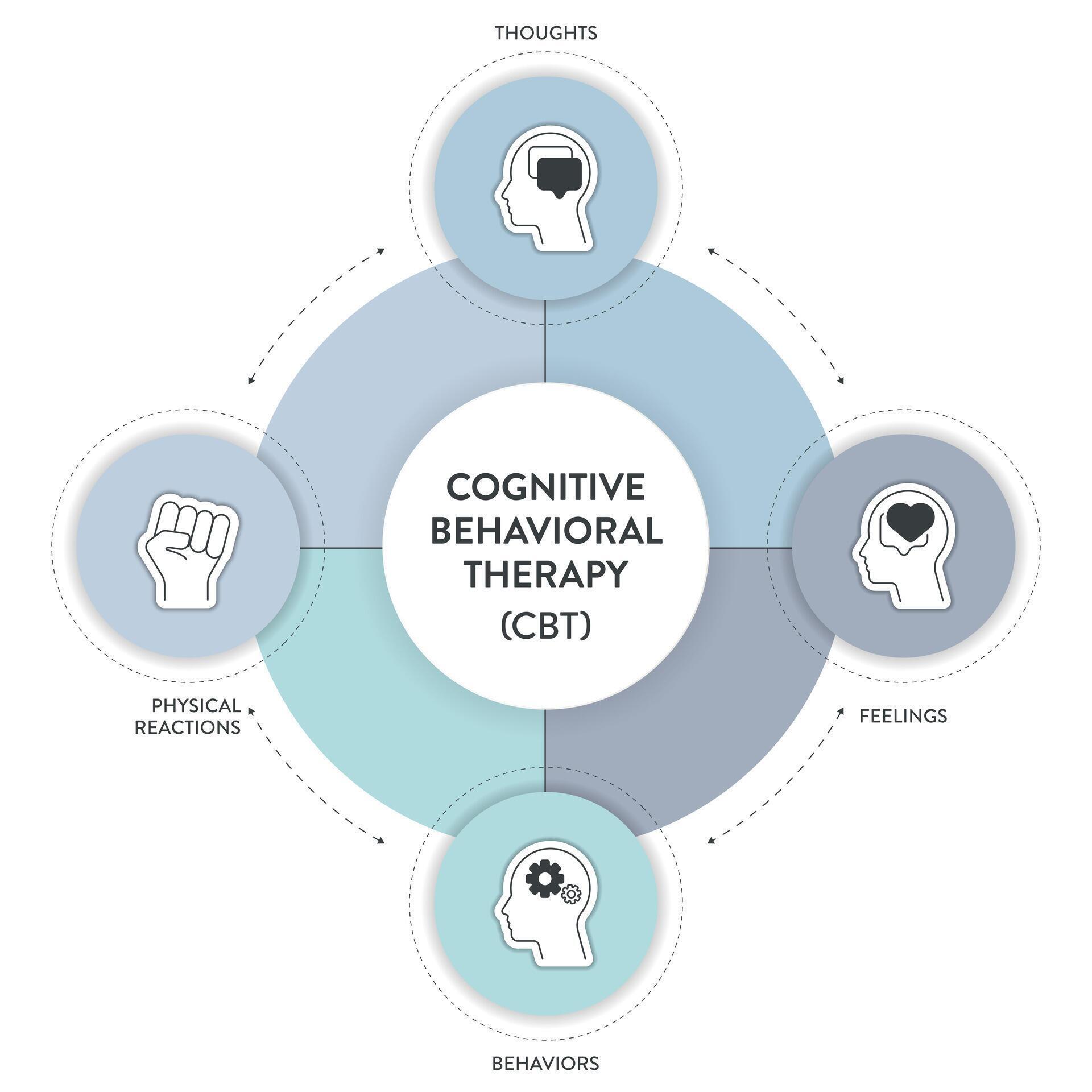
Purpose-built AI (PBAI) for mental health addresses these shortcomings by operating within a strictly defined scope of practice. These systems are often fine-tuned using evidence-based therapeutic frameworks, such as Cognitive Behavioral Therapy (CBT). By narrowing the focus of the AI, developers can implement “hard-coded” safety triggers that detect crises and redirect users to human resources, such as suicide prevention hotlines or emergency services.
The U.S. Food and Drug Administration (FDA) has established a framework for assessing “Software as a Medical Device” (SaMD), which includes AI-driven mental health tools. This regulatory oversight ensures that PBAI developers must provide documentation regarding the efficacy and safety of their algorithms. Unlike general-purpose chatbots, these purpose-built tools are often required to undergo clinical validation studies to prove that they do not harm the user and that they function as intended within a healthcare context.
Balancing Accessibility and Clinical Oversight
The challenge remains in making these specialized tools accessible to a global population. While GPAI is often free and easily accessible via mobile apps, purpose-built mental health AI may be restricted by cost or limited availability in certain regions. This creates a disparity where users in need of high-quality, safe support might default to general models simply because they are more readily available.
Public health policy experts, including those from the European Commission’s High-Level Expert Group on AI, suggest that the future of digital mental health lies in interoperability. Ideally, a user might begin a conversation with a general AI tool, which then identifies the need for specialized support and seamlessly transitions the user to a certified, purpose-built mental health platform. This “bridge” approach would maintain the convenience of AI while ensuring that users are protected by clinical standards.
Future Directions for Digital Well-being
As the field evolves, the focus is shifting toward “human-in-the-loop” systems. This model ensures that while AI can assist with screening, tracking mood, and providing basic coping exercises, a licensed therapist remains the primary decision-maker in the user’s treatment plan. The next major milestone in this sector is expected to be the formal adoption of international standards for AI-driven psychiatric support, which are currently being debated by global health organizations and technology regulators.

Readers interested in the latest developments regarding the regulation of AI in healthcare can monitor the World Health Organization’s upcoming briefings on digital health strategies. As we continue to navigate the intersection of mental health and technology, professional oversight and transparent algorithmic design remain the most effective tools for protecting users. We invite our readers to share their experiences or questions regarding the use of AI in mental health in the comments section below.
Related reading