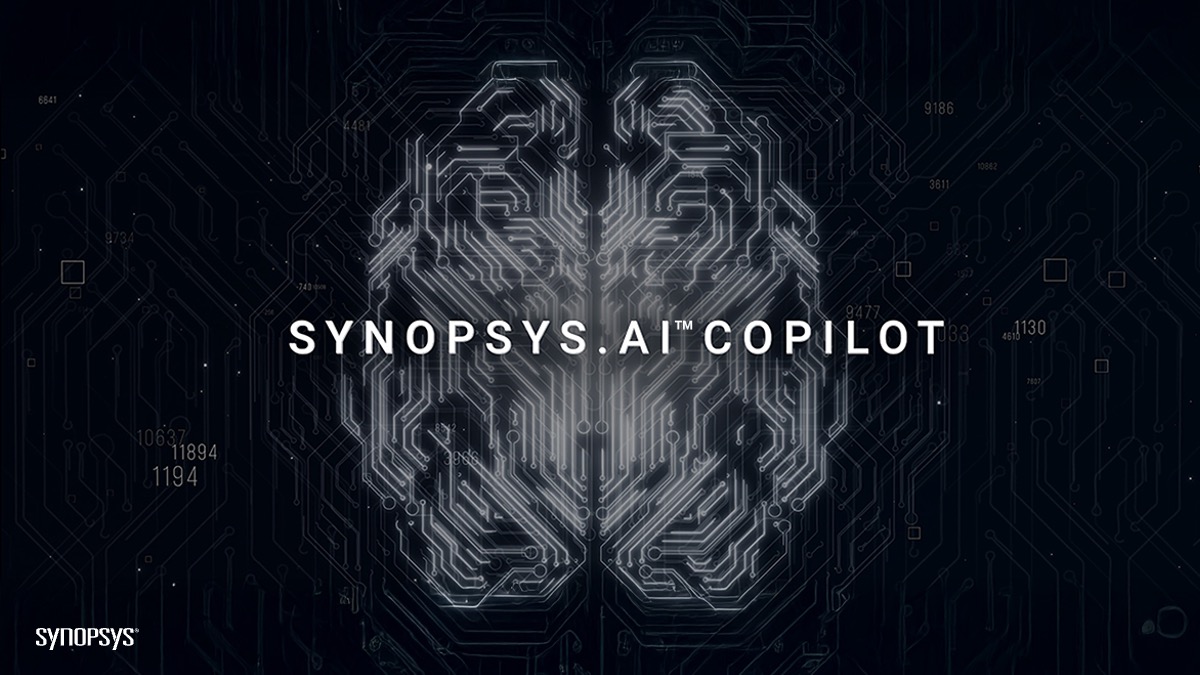
The Evolving Role of AI in chip Design: Augmentation, Not Replacement
The world of semiconductor design is undergoing a quite revolution, fueled by the rapid advancements in artificial intelligence. While headlines ofen tout AI’s potential to replace human jobs, the reality in chip architecture is far more nuanced. Currently, AI is poised to become a powerful augmentation to the skills of experienced engineers, rather than a complete takeover.
The Art of Architecture: Where Humans Still Reign
Developing the fundamental blueprints for new processors – the architecture and microarchitecture – remains firmly in human hands. These tasks demand a blend of technical expertise and creative thinking, requiring individuals to consider the broader industry landscape and anticipate future needs.
Currently, AI tools lack the expansive, real-world data access and the nuanced problem-solving capabilities needed for this high-level design. Large language models, while impressive, aren’t yet equipped to tackle the complex engineering challenges inherent in chip architecture.
Therefore, you can expect that human architects will continue to lead the charge in defining the core principles of future processors.
AI’s Strengths: Accelerating Implementation and Optimization
Though, once architectural decisions are made, AI can considerably accelerate the implementation process. Chip design involves countless variables – cache sizes, memory interfaces, and intricate configurations – that demand exhaustive testing and optimization.
Here’s where AI truly shines:
Rapid Design Space Exploration: AI can quickly scan through a vast array of potential parameters, identifying optimal configurations far faster than a human team.
Trade-off Analysis: Balancing competing priorities like power consumption and performance is a constant challenge. AI can present refined options, based on its training data, to help you navigate these complex trade-offs.
Support for Experienced Architects: Think of AI as a powerful assistant, narrowing down possibilities and providing data-driven insights. This allows architects to focus on the critical, high-level decisions.
Essentially, AI empowers you to refine your designs more efficiently, but it doesn’t eliminate the need for human judgment and expertise. It’s a collaborative process, leveraging the strengths of both humans and machines.
Looking Ahead: A Symbiotic Future
The future of chip design isn’t about AI versus humans. It’s about a symbiotic relationship where AI handles the computationally intensive tasks, freeing up human engineers to focus on innovation and strategic thinking.
You’ll likely see AI become increasingly integrated into the design workflow, assisting with:
Verification and Validation: Ensuring designs meet specifications and function correctly. Physical Design: Optimizing the layout of transistors and interconnects on the chip.
Power Management: Minimizing energy consumption and maximizing efficiency.
Ultimately, the most accomplished chip designers will be those who embrace AI as a tool, leveraging its capabilities to push the boundaries of what’s possible. The human element – creativity, intuition, and a deep understanding of system-level considerations - will remain essential for years to come.
![Pediatric Kidney Transplants: More Specialists Mean Higher Success Rates | [State Name]](https://i0.wp.com/www.healio.com/~/media/slack-news/nephrology/misc/infographics/2025/01_january/nni0625acetta-rojas_sc_ig1.jpg?resize=150%2C150&ssl=1 "Pediatric Kidney Transplants: More Specialists Mean Higher Success Rates | [State Name]")